
ʻAbdu'l-Bahá
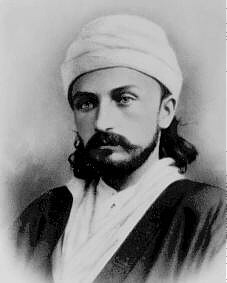
0 sources
Summary
ʻAbdu'l-Bahá was born on May 23, 1844[1], in Tehran[2]. He died on November 28, 1921[3], in Haifa[4]. He worked as a religious leader[5], Baháʼí[6], philosopher[7], philosopher of religion[8], and writer[9]. He ranks in the top 0.7% of human entities by monthly Wikipedia readership (2,647 views/month, #6,977 of 1,000,298).[10]
Key Facts
- Date of birth: January 1, 1844[11], 1844[12]
- Date of death: 1921[13]
- Place of burial: Haifa[14]
- Father: Baháʼu'lláh[15]
- Mother: Ásíyih Khánum[16]
- Spouse: Munírih[17]
- Country of citizenship: Qajar Iran[18]
- Award received: Knight Commander of the Order of the British Empire[19]
- Religion or worldview: Baháʼí Faith[20]
- Sex or gender: male[21]
- Commons category: 'Abdu'l-Bahá[22]
- Described by source: al-Aʻlām (Dār al-ʻIlm, 2002)[23]
- Commons Creator page: ʻAbdu'l-Bahá[24]
- Birth name: عَبّاس اَفَندی[25]
- Name in native language: عَبدُالبَهاء[26], عَبْدُ الْبَهَاء[27], عباس عبد البهاء بن حسين علي نوري[28]
Body
Works and Contributions
Things named for ʻAbdu'l-Bahá include Disciples of Abdu'l-Bahá<sup id="cite-I169" class="cite-ref" title="Disciples ofAbdu'l-Bahá — named after (P138) → ʻAbdu'l-Bahá">[29].
Why It Matters
ʻAbdu'l-Bahá has Wikipedia articles in 24 language editions, a strong signal of global cultural recognition.[30] He is known by 105 alternative names across languages and contexts.[31]
Works attributed to him include Some Answered Questions[32], a religious text[33]; The Secret of Divine Civilization[34], a literary work[35]; Will and Testament of Abdu'l-Bahá<sup id="cite-I165" class="cite-ref" title="Will and Testament ofAbdu'l-Bahá — author (P50) → ʻAbdu'l-Bahá">[36], a will<sup id="cite-E166" class="cite-ref" title="Will and Testament of Abdu'l-Bahá — P31: will"><a href="#src-E166">[37]</a></sup>; and Paris Talks<sup id="cite-I167" class="cite-ref" title="Paris Talks — author (P50) → ʻAbdu'l-Bahá"><a href="#src-I167">[38]</a></sup>, a literary work<sup id="cite-E168" class="cite-ref" title="Paris Talks — P31: literary work"><a href="#src-E168">[39]</a></sup>. Entities named for him include Disciples ofAbdu'l-Bahá[29].
FAQs
Where was ʻAbdu'l-Bahá born?
ʻAbdu'l-Bahá was born in Tehran[2].
Where did ʻAbdu'l-Bahá die?
ʻAbdu'l-Bahá passed away in Haifa[4].
Who were ʻAbdu'l-Bahá's parents?
ʻAbdu'l-Bahá's father was Baháʼu'lláh[15]. ʻAbdu'l-Bahá's mother was Ásíyih Khánum[16].
Who was ʻAbdu'l-Bahá married to?
ʻAbdu'l-Bahá's spouses include Munírih[17].
What did ʻAbdu'l-Bahá do for work?
ʻAbdu'l-Bahá worked as a religious leader[5], Baháʼí[6], philosopher[7], philosopher of religion[8], and writer[9].
What awards did ʻAbdu'l-Bahá receive?
Honors received include Knight Commander of the Order of the British Empire[19].