
2060 Chiron
minor planet in the outer Solar System
Press Enter · cited answer in seconds
0 sources
Summary
2060 Chiron is a centaur[1]. It ranks in the top 8% of centaur entities by monthly Wikipedia readership (315 views/month).[2]
Key Facts
- 2060 Chiron is credited with the discovery of Charles T. Kowal[3].
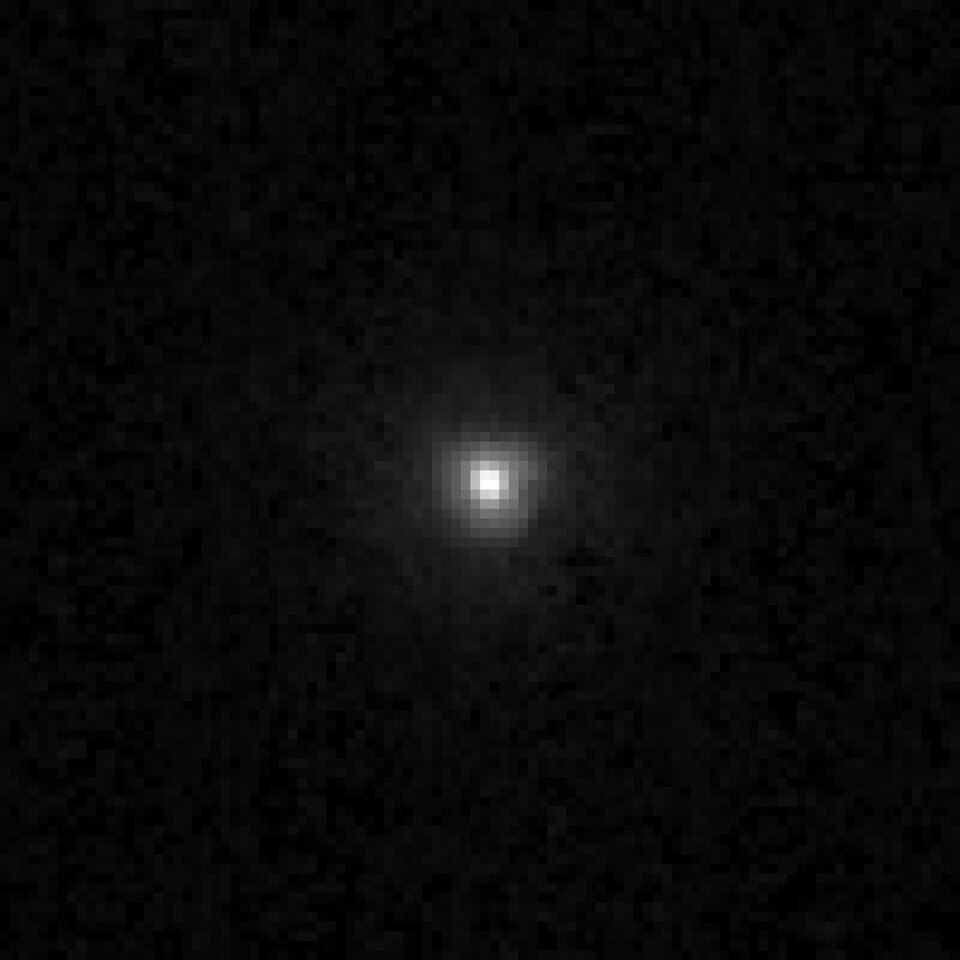
- 2060 Chiron's image is recorded as 2060 Chiron.jpg[4].
- 2060 Chiron's instance of is recorded as centaur[5].
- 2060 Chiron's instance of is recorded as comet[6].
- 2060 Chiron's site of astronomical discovery is recorded as Palomar Observatory[7].
- Chiron is named after 2060 Chiron[8].
- 2060 Chiron's follows is recorded as 2059 Baboquivari[9].
- 2060 Chiron's followed by is recorded as 2061 Anza[10].
- 2060 Chiron's minor planet group is recorded as centaur[11].
- 2060 Chiron's VIAF cluster ID is recorded as 315160627[12].
- 2060 Chiron's GND ID is recorded as 4203252-0[13].
- 2060 Chiron's Library of Congress authority ID is recorded as sh85102678[14].
- 2060 Chiron's astronomic symbol image is recorded as Chiron symbol (fixed width).svg[15].
- 2060 Chiron's Commons category is recorded as 2060 Chiron[16].
- 2060 Chiron's parent astronomical body is recorded as Sun[17].
- 2060 Chiron's child astronomical body is recorded as rings of Chiron[18].
- 2060 Chiron's Unicode character is recorded as ⚷[19].
- 2060 Chiron's provisional designation is recorded as 1977 UB[20].
- 2060 Chiron's provisional designation is recorded as 95P[21].
- 2060 Chiron's time of discovery or invention is recorded as +1977-10-18T00:00:00Z[22].
- 2060 Chiron's Freebase ID is recorded as /m/0f0fm[23].
- 2060 Chiron's JPL Small-Body Database SPK-ID is recorded as 20002060[24].
- 2060 Chiron's asteroid spectral type is recorded as B-type asteroid[25].
- 2060 Chiron's asteroid spectral type is recorded as C-type asteroid[26].
- 2060 Chiron's significant event is recorded as naming[27].
Body
Works and Contributions
2060 Chiron is credited with the discovery of Charles T. Kowal[3]. Things named for it include Chiron-type comet[28], an astronomical object type[29].
Why It Matters
2060 Chiron ranks in the top 8% of centaur entities by monthly Wikipedia readership (315 views/month).[2] It has Wikipedia articles in 27 language editions, a strong signal of global cultural recognition.[30] It is known by 18 alternative names across languages and contexts.[31]
Entities named for it include Chiron-type comet[28], an astronomical object type[29].