
1378 papal conclave
conclave
Press Enter · cited answer in seconds
0 sources
Summary
1378 papal conclave is a conclave[1]. It draws 44 Wikipedia views per month (conclave category, ranking #12 of 76).[2]
Key Facts
- 1378 papal conclave's religion is recorded as Catholic Church[3].
- 1378 papal conclave is located in Rome[4].
- 1378 papal conclave is in the country of Italy[5].
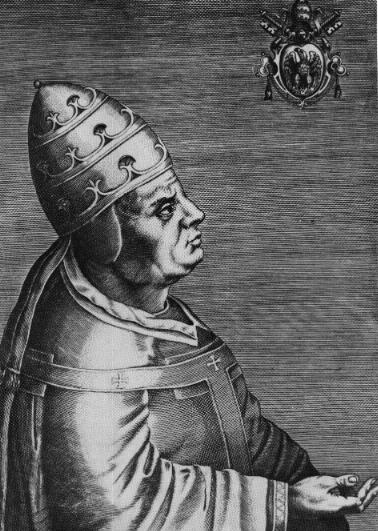
- 1378 papal conclave's image is recorded as Urbanus VI.jpg[6].
- 1378 papal conclave's instance of is recorded as conclave[7].
- 1378 papal conclave's instance of is recorded as papal election[8].
- 1378 papal conclave's logo image is recorded as Sede vacante.svg[9].
- 1378 papal conclave's follows is recorded as 1370 papal conclave[10].
- 1378 papal conclave's followed by is recorded as 1389 papal conclave[11].
- 1378 papal conclave's location is recorded as Old St. Peter's Basilica[12].
- 1378 papal conclave's office contested is recorded as Pope[13].
- 1378 papal conclave's start time is recorded as +1378-04-07T00:00:00Z[14].
- 1378 papal conclave's end time is recorded as +1378-04-09T00:00:00Z[15].
- 1378 papal conclave's coordinate location is recorded as {'lat': 41.9022, 'lon': 12.4533}[16].
- 1378 papal conclave's Freebase ID is recorded as /m/04gpm8h[17].
- 1378 papal conclave's participant is recorded as Simone Borsano[18].
- 1378 papal conclave's participant is recorded as Clement VII[19].
- 1378 papal conclave's participant is recorded as Pierre de la Vergne[20].
- 1378 papal conclave's participant is recorded as Benedict XIII[21].
- 1378 papal conclave's successful candidate is recorded as Urban VI[22].
- 1378 papal conclave's applies to jurisdiction is recorded as Vatican City[23].
- 1378 papal conclave's different from is recorded as 1378 papal conclave[24].
Body
Identity
1378 papal conclave's follows is recorded as 1370 papal conclave[10]. Its followed by is recorded as 1389 papal conclave[11].
Why It Matters
1378 papal conclave draws 44 Wikipedia views per month (conclave category, ranking #12 of 76).[2] It has Wikipedia articles in 10 language editions, a strong signal of global cultural recognition.[25] It is known by 3 alternative names across languages and contexts.[26]