
Yuan Shikai
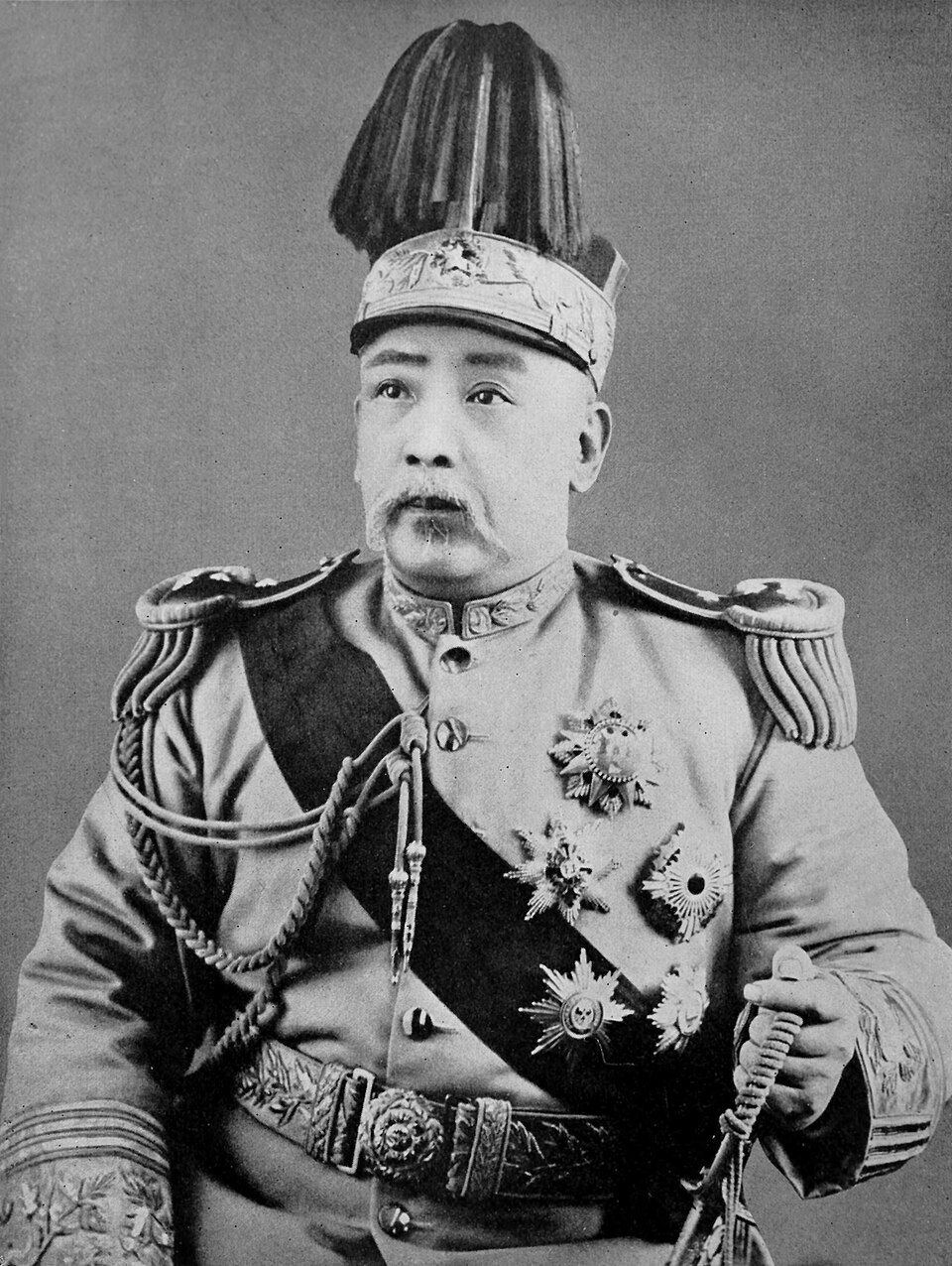
0 sources
Yuan Shikai
Summary
Yuan Shikai is a human[1]. He was born in Xiangcheng City[2]. He was born on September 16, 1859[3]. He died in Beijing[4]. He died on June 6, 1916[5]. He worked as a politician[6], military personnel[7], and military leader[8]. He has Wikipedia articles in 27 language editions, a strong signal of global cultural recognition.[9]
Key Facts
- Born in Xiangcheng City[2], Yuan Shikai…
- Yuan Shikai passed away in Beijing[4].
- Yuan Shikai was born on September 16, 1859[3].
- Yuan Shikai died on June 6, 1916[5].
- Burial took place at Tomb of Yuan Shikai[10].
- Yuan Shikai's father was Yuan Baozhong[11].
- A child of Yuan Shikai was Yuan Kequan[12].
- A child of Yuan Shikai was Yuan Keding[13].
- A child of Yuan Shikai was Yuan Ko-wen[14].
- A child of Yuan Shikai was Yuan Kehuan[15].
- A child of Yuan Shikai was Yuan Kezhen[16].
- A child of Yuan Shikai was Yuan Jingxue[17].
- Yuan Shikai held citizenship in Qing dynasty[18].
- Yuan Shikai held citizenship in Republic of China[19].
- Yuan Shikai held citizenship in Empire of China[20].
- Yuan Shikai is identified as part of the Han Chinese people ethnic group[21].
- Yuan Shikai worked as a politician[6].
- Yuan Shikai's professions included military personnel[7].
- Yuan Shikai worked as a military leader[8].
- Yuan Shikai's field of work was politics[22].
- Yuan Shikai held the position of Prime Minister of the Imperial Cabinet[23].
- Yuan Shikai held the position of Great President of the Republic of China[24].
- Yuan Shikai held the position of Great President of the Republic of China[25].
- Yuan Shikai held the position of Viceroy of Zhili[26].
- Yuan Shikai held the position of Junji dachen[27].
Body
Origins and Family
Yuan Shikai's place of birth was Xiangcheng City[2]. He was born on September 16, 1859[3]. His father was Yuan Baozhong[11]. He is identified as part of the Han Chinese people ethnic group[21].
Career and Affiliations
Recorded occupations include politician[6], military personnel[7], and military leader[8]. Yuan Shikai's field of work was politics[22]. Positions held include Prime Minister of the Imperial Cabinet[23], a position[28], in Qing dynasty[29], founded in 1911[30]; Great President of the Republic of China[24], a position[31], in Republic of China[32], founded in 1913[33]; Viceroy of Zhili[26], a position[34]; Junji dachen[27], a position[35], in Qing dynasty[36]; and Emperor of China[37], a historical position[38], in Chinese Empire[39].
Recognition
Yuan Shikai received the Order of the Paulownia Flowers[40].
Personal Life
Children include Yuan Kequan[12], 1898–1941[41]; Yuan Keding[13], a painter[42], 1878–1958[43], of People's Republic of China[44]; Yuan Ko-wen[14], an artist[45], 1890–1931[46], of Republic of China[47]; Yuan Kehuan[15], a businessperson[48], 1898–1956[49]; Yuan Kezhen[16], 1902–1942[50], of Republic of China[51]; and Yuan Jingxue[17]. Yuan Shikai was affiliated with the Republican Party[52].
Death and Burial
Yuan Shikai died on June 6, 1916[5]. He died in Beijing[4]. The cause of death was uremia[53]. He is buried at Tomb of him[10].
Why It Matters
Yuan Shikai has Wikipedia articles in 27 language editions, a strong signal of global cultural recognition.[9] He is known by 81 alternative names across languages and contexts.[54]
FAQs
Where was Yuan Shikai born?
Born in Xiangcheng City[2], Yuan Shikai…
Where did Yuan Shikai die?
Yuan Shikai died in Beijing[4].
Who were Yuan Shikai's parents?
Yuan Shikai's father was Yuan Baozhong[11].
What did Yuan Shikai do for work?
Yuan Shikai worked as politician[6], military personnel[7], and military leader[8].
What awards did Yuan Shikai receive?
Honors received include Order of the Paulownia Flowers[40].