Yayoi period
0 sources
Yayoi period
Summary
Yayoi period is an archaeological culture[1]. It ranks in the top 2% of archaeological_culture entities by monthly Wikipedia readership (1,259 views/month).[2]
Key Facts
- Yayoi period is in the country of Japan[3].
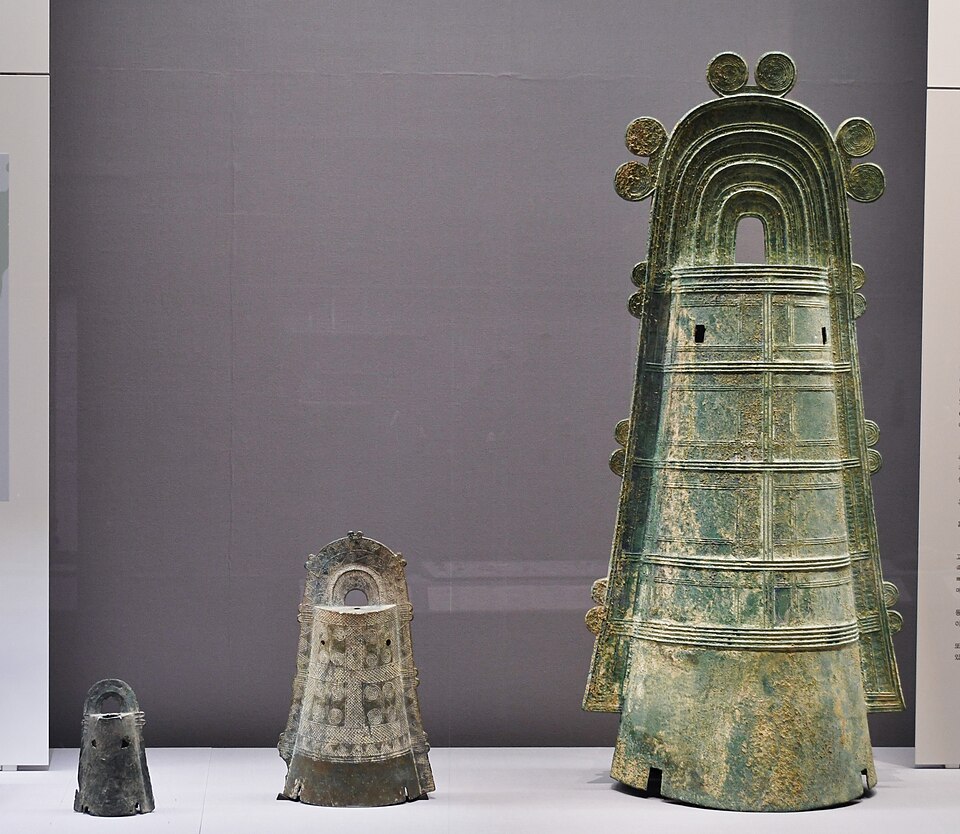
- Yayoi period's image is recorded as 東京国立博物館展示 銅鐸.JPG[4].
- Yayoi period's instance of is recorded as archaeological culture[5].
- Yayoi period's instance of is recorded as archaeological period[6].
- Yayoi is named after Yayoi period[7].
- Yayoi period's follows is recorded as Jōmon period[8].
- Yayoi period's follows is recorded as Final Jōmon[9].
- Yayoi period's followed by is recorded as Kofun period[10].
- Yayoi period's followed by is recorded as Yamato period[11].
- Yayoi period's GND ID is recorded as 4413508-7[12].
- Yayoi period's Library of Congress authority ID is recorded as sh85149050[13].
- Yayoi period's NDL Authority ID is recorded as 00574249[14].
- Yayoi period's part of is recorded as history of Japan[15].
- Yayoi period's Commons category is recorded as Yayoi period[16].
- Yayoi period's start time is recorded as -0300-00-00T00:00:00Z[17].
- Yayoi period's end time is recorded as +0250-00-00T00:00:00Z[18].
- Yayoi period's Freebase ID is recorded as /m/0165q6[19].
- Yayoi period's significant event is recorded as Main events of the Yayoi period[20].
- Yayoi period's significant event is recorded as Civil War of Wa[21].
- Yayoi period's topic's main category is recorded as Category:Yayoi period[22].
- Yayoi period's Commons gallery is recorded as 弥生時代[23].
- Yayoi period's Art & Architecture Thesaurus ID is recorded as 300018529[24].
- Yayoi period's Library of Congress Classification is recorded as GN776.2.Y3[25].
- Yayoi period's OpenStreetMap tag is recorded as historic:period=yayoi[26].
- Yayoi period's Encyclopædia Britannica Online ID is recorded as topic/Yayoi-culture[27].
Why It Matters
Yayoi period ranks in the top 2% of archaeological_culture entities by monthly Wikipedia readership (1,259 views/month).[2] It has Wikipedia articles in 28 language editions, a strong signal of global cultural recognition.[28] It is known by 53 alternative names across languages and contexts.[29]