
William Cornelius Van Horne
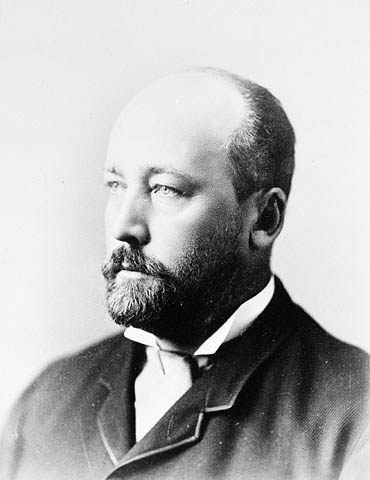
0 sources
William Cornelius Van Horne
Summary
William Cornelius Van Horne is a human[1]. He was born in Frankfort[2]. He was born on February 3, 1843[3]. He died in Royal Victoria Hospital, Montreal[4]. He died on September 11, 1915[5]. He worked as an entrepreneur[6], art collector[7], railway executive[8], and painter[9]. He ranks in the top 0.72% of human entities by monthly Wikipedia readership (259 views/month, #7,169 of 1,000,298).[10]
Key Facts
- William Cornelius Van Horne's place of birth was Frankfort[2].
- William Cornelius Van Horne died in Royal Victoria Hospital, Montreal[4].
- William Cornelius Van Horne was born on February 3, 1843[3].
- William Cornelius Van Horne died on September 11, 1915[5].
- William Cornelius Van Horne is buried at Oakwood Cemetery[11].
- William Cornelius Van Horne's father was Cornelius Covenhoven Van Horne[12].
- William Cornelius Van Horne held citizenship in United States[13].
- William Cornelius Van Horne held citizenship in Canada[14].
- William Cornelius Van Horne worked as an entrepreneur[6].
- William Cornelius Van Horne worked as an art collector[7].
- William Cornelius Van Horne's professions included railway executive[8].
- William Cornelius Van Horne worked as a painter[9].
- William Cornelius Van Horne held the position of president[15].
- William Cornelius Van Horne held the position of president[16].
- William Cornelius Van Horne held the position of president[17].
- William Cornelius Van Horne was employed by Canadian Pacific Railway[18].
- William Cornelius Van Horne received the Knight Commander of the Order of St Michael and St George[19].
- William Cornelius Van Horne received the Person of National Historic Significance[20].
- William Cornelius Van Horne's religion is recorded as Unitarianism[21].
- William Cornelius Van Horne is recorded as male[22].
- William Cornelius Van Horne's instance of is recorded as human[23].
- William Cornelius Van Horne's Commons category is recorded as William Van Horne[24].
- William Cornelius Van Horne's archives at is recorded as McGill University Archives[25].
- William Cornelius Van Horne's archives at is recorded as University of Maryland Libraries[26].
- William Cornelius Van Horne's honorific prefix is recorded as Sir[27].
Body
Origins and Family
William Cornelius Van Horne's place of birth was Frankfort[2]. He was born on February 3, 1843[3]. His father was Cornelius Covenhoven Van Horne[12].
Career and Affiliations
Recorded occupations include entrepreneur[6], art collector[7], railway executive[8], and painter[9]. Among William Cornelius Van Horne's employers was Canadian Pacific Railway[18]. Positions held include president[15], a corporate title[28].
Recognition
Awards received include Knight Commander of the Order of St Michael and St George[19], a grade of an order[29], in United Kingdom[30] and Person of National Historic Significance[20], an award[31], in Canada[32].
Personal Life
William Cornelius Van Horne's religion is recorded as Unitarianism[21].
Death and Burial
William Cornelius Van Horne died on September 11, 1915[5]. He died in Royal Victoria Hospital, Montreal[4]. He is buried at Oakwood Cemetery[11].
Why It Matters
William Cornelius Van Horne ranks in the top 0.72% of human entities by monthly Wikipedia readership (259 views/month, #7,169 of 1,000,298).[10] He has Wikipedia articles in 8 language editions, a strong signal of global cultural recognition.[33] He is known by 10 alternative names across languages and contexts.[34]
FAQs
Where was William Cornelius Van Horne born?
William Cornelius Van Horne's place of birth was Frankfort[2].
Where did William Cornelius Van Horne die?
William Cornelius Van Horne died in Royal Victoria Hospital, Montreal[4].
Who were William Cornelius Van Horne's parents?
William Cornelius Van Horne's father was Cornelius Covenhoven Van Horne[12].
What did William Cornelius Van Horne do for work?
William Cornelius Van Horne worked as entrepreneur[6], art collector[7], railway executive[8], and painter[9].
What awards did William Cornelius Van Horne receive?
Honors received include Knight Commander of the Order of St Michael and St George[19] and Person of National Historic Significance[20].