
Watanabe Kazan
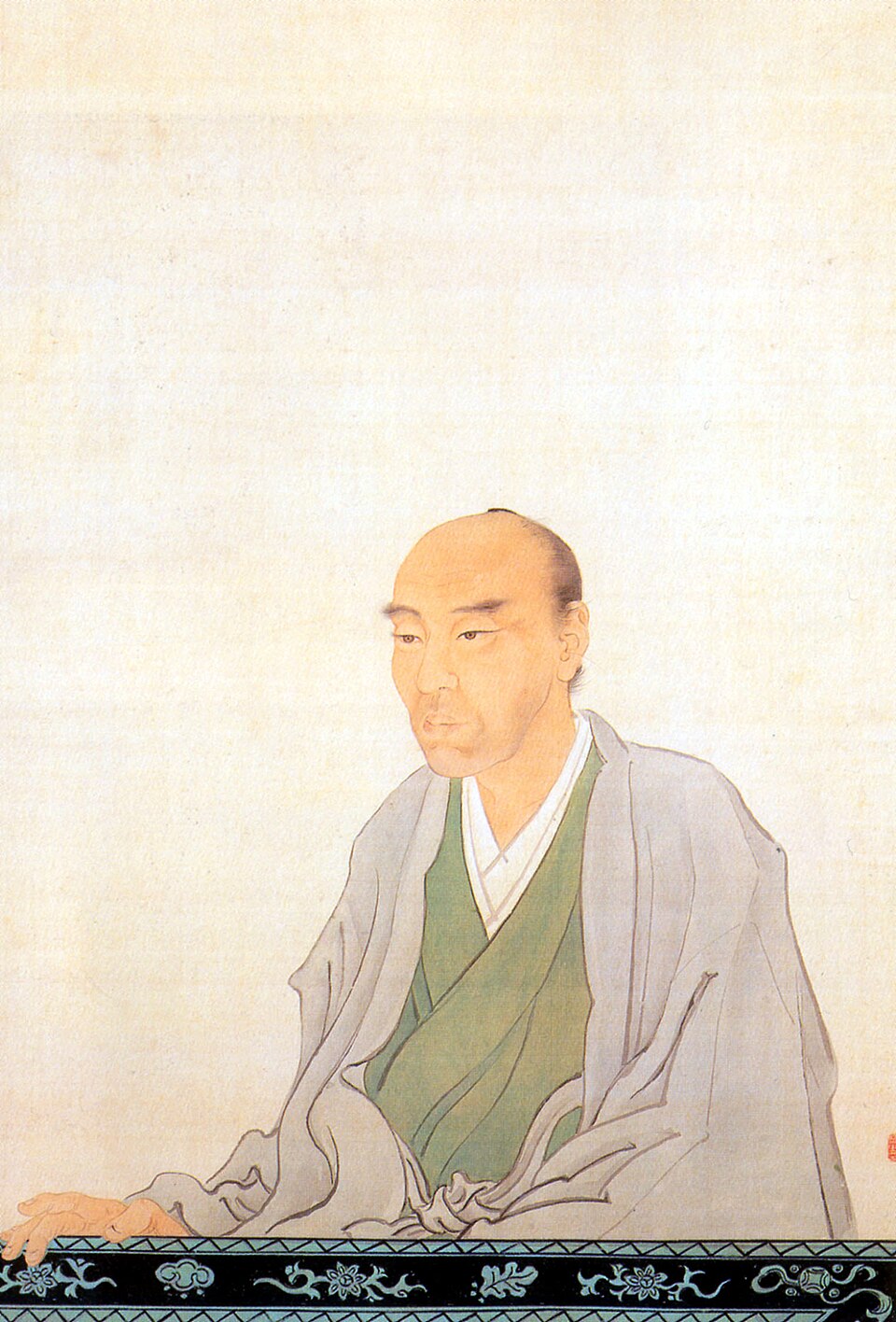
0 sources
Summary
Watanabe Kazan is a human[1]. His place of birth was Miyakezaka[2]. He was born on October 20, 1793[3]. He died in Ikenohara Park[4]. He died on November 23, 1841[5]. He worked as a painter[6] and writer[7]. He ranks in the top 0.73% of human entities by monthly Wikipedia readership (541 views/month, #7,272 of 1,000,298).[8]
Key Facts
- Watanabe Kazan's place of birth was Miyakezaka[2].
- Watanabe Kazan passed away in Ikenohara Park[4].
- Watanabe Kazan was born on October 20, 1793[3].
- Watanabe Kazan died on November 23, 1841[5].
- Burial took place at Jōhō-ji Temple[9].
- A child of Watanabe Kazan was Shōka[10].
- Watanabe Kazan held citizenship in Japan[11].
- Japanese was Watanabe Kazan's native language[12].
- Watanabe Kazan is identified as part of the Japanese people ethnic group[13].
- Watanabe Kazan worked as a painter[6].
- Watanabe Kazan's professions included writer[7].
- Watanabe Kazan held the position of karō[14].
- A notable student of Watanabe Kazan was Tsubaki Chinzan[15].
- A notable student of Watanabe Kazan was Hankō Fukuda[16].
- A notable student of Watanabe Kazan was Hirai Kensai[17].
- A notable student of Watanabe Kazan was Tachihara Shunsa[18].
- A notable work attributed to Watanabe Kazan is Shinkiron[19].
- A notable work attributed to Watanabe Kazan is Portrait of Takami Senseki[20].
- Watanabe Kazan was a member of 尚歯会[21].
- Watanabe Kazan is recorded as male[22].
- Watanabe Kazan's instance of is recorded as human[23].
- Watanabe Kazan's genre is portrait[24].
- Watanabe Kazan's Commons category is recorded as Watanabe Kazan[25].
- The cause of death was seppuku[26].
- Watanabe Kazan's family name is recorded as Watanabe[27].
Body
Origins and Family
Born in Miyakezaka[2], Watanabe Kazan… he was born on October 20, 1793[3]. He is identified as part of the Japanese people ethnic group[13]. Japanese was his native language[12].
Education
Studied under Tani Bunchō[28], a painter[29], 1763–1841[30], of Japan[31]; Satō Issai[32], a Confucian scholar[33], 1772–1859[34], of Japan[35]; Matsuzaki Kōdō[36], a philosopher[37], 1771–1844[38], of Japan[39]; Satō Nobuhiro[40], a linguist[41], 1769–1850[42], of Japan[43], awarded the Senior Fifth Rank[44]; Shirakawa Shizan[45], a painter[46], 1759–1850[47], of Tokugawa shogunate[48]; and Kaneko Kinryō[49], a painter[50], of Tokugawa shogunate[51].
Career and Affiliations
Recorded occupations include painter[6] and writer[7]. Watanabe Kazan held the position of karō[14]. Notable students include Tsubaki Chinzan[15], a painter[52], 1801–1854[53], of Japan[54]; Hankō Fukuda[16], a painter[55], 1804–1864[56], of Tokugawa shogunate[57]; Hirai Kensai[17], a painter[58], 1802–1856[59], of Tokugawa shogunate[60]; and Tachihara Shunsa[18], a painter[61], 1814–1855[62], of Japan[63].
Works and Contributions
Notable works include Shinkiron[19], a draft document[64], founded in 1838[65] and Portrait of Takami Senseki[20], a painting[66], in Japan[67], founded in 1837[68].
Personal Life
A child of Watanabe Kazan was Shōka[10].
Death and Burial
Watanabe Kazan died on November 23, 1841[5]. He passed away in Ikenohara Park[4]. The cause of death was seppuku[26]. He is buried at Jōhō-ji Temple[9].
Why It Matters
Watanabe Kazan ranks in the top 0.73% of human entities by monthly Wikipedia readership (541 views/month, #7,272 of 1,000,298).[8] He has Wikipedia articles in 12 language editions, a strong signal of global cultural recognition.[69] He is known by 50 alternative names across languages and contexts.[70]
FAQs
Where was Watanabe Kazan born?
Watanabe Kazan was born in Miyakezaka[2].
Where did Watanabe Kazan die?
Watanabe Kazan died in Ikenohara Park[4].