
Thomas Babington Macaulay, 1st Baron Macaulay
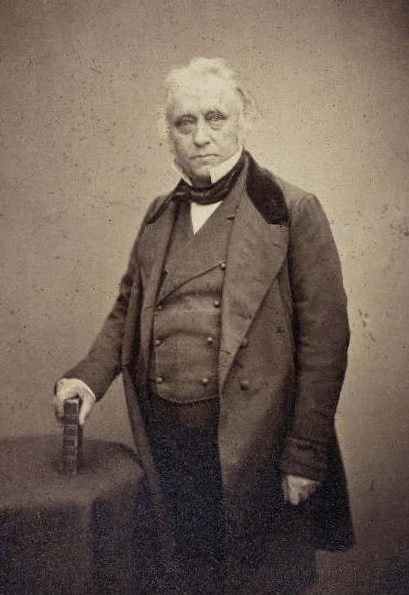
0 sources
Summary
Thomas Babington Macaulay, 1st Baron Macaulay was born on October 25, 1800[1], in Rothley Court[2]. He died on December 28, 1859[3], in London[4]. He worked as a historian[5], politician[6], poet[7], poet lawyer[8], and writer[9]. He ranks in the top 0.68% of human entities by monthly Wikipedia readership (5,775 views/month, #6,847 of 1,000,298).[10]
Key Facts
- Place of birth: Rothley Temple[11], Rothley[12]
- Place of death: Cambridge[13]
- Date of death: December 27, 1859[14]
- Place of burial: Westminster Abbey[15]
- Father: Zachary Macaulay[16]
- Mother: Selina Mills[17]
- Country of citizenship: United Kingdom of Great Britain and Ireland[18], Kingdom of Great Britain[19]
- Ethnic group: English people[20]
- Occupation: abolitionist[21]
- Field of work: history[22]
- Position held: Secretary at War[23], Paymaster General[24], Member of the Privy Council of the United Kingdom[25], member of the 16th Parliament of the United Kingdom[26], member of the 14th Parliament of the United Kingdom[27], member of the 13th Parliament of the United Kingdom[28], member of the 11th Parliament of the United Kingdom[29], member of the 10th Parliament of the United Kingdom[30], member of the 9th Parliament of the United Kingdom[31], member of the 8th Parliament of the United Kingdom[32]
- Educated at: Trinity College[33]
- Award received: Pour le Mérite for Sciences and Arts order[34], Fellow of the Royal Society[35], Chancellor's Gold Medal[36]
- Member of: Royal Society[37], Saint Petersburg Academy of Sciences[38], Hungarian Academy of Sciences[39], Russian Academy of Sciences[40], Royal Swedish Academy of Letters, History and Antiquities[41], Bavarian Academy of Sciences and Humanities[42], Royal Netherlands Academy of Arts and Sciences[43], Academy of Sciences of Turin[44]
- Religion or worldview: Anglicanism[45]
- Sex or gender: male[46]
- Noble title: Baron Macaulay[47]
- Member of political party: Whigs[48]
- Named after: Thomas Babington[49]
- Commons category: Thomas Babington Macaulay, 1st Baron Macaulay[50]
- Archives at: National Library of Wales[51]
- Honorific prefix: The Right Honourable[52]
- Family name: Macaulay[53]
- Given name: Thomas[54]
- Topic's main category: Category:Thomas Babington Macaulay, 1st Baron Macaulay[55]
Why It Matters
Thomas Babington Macaulay, 1st Baron Macaulay has Wikipedia articles in 23 language editions, a strong signal of global cultural recognition.[56] He is known by 65 alternative names across languages and contexts.[57]
Works attributed to him include Lays of Ancient Rome[58], a literary work[59].
FAQs
Where was Thomas Babington Macaulay, 1st Baron Macaulay born?
Thomas Babington Macaulay, 1st Baron Macaulay was born in Rothley Court[2].
Where did Thomas Babington Macaulay, 1st Baron Macaulay die?
Thomas Babington Macaulay, 1st Baron Macaulay died in London[4].
Who were Thomas Babington Macaulay, 1st Baron Macaulay's parents?
Thomas Babington Macaulay, 1st Baron Macaulay's father was Zachary Macaulay[16]. Thomas Babington Macaulay, 1st Baron Macaulay's mother was Selina Mills[17].
What did Thomas Babington Macaulay, 1st Baron Macaulay do for work?
Thomas Babington Macaulay, 1st Baron Macaulay worked as a historian[5], politician[6], poet[7], poet lawyer[8], and writer[9].
Where did Thomas Babington Macaulay, 1st Baron Macaulay go to school?
Thomas Babington Macaulay, 1st Baron Macaulay was educated at Trinity College[33].
What awards did Thomas Babington Macaulay, 1st Baron Macaulay receive?
Honors received include Pour le Mérite for Sciences and Arts order[34], Fellow of the Royal Society[35], and Chancellor's Gold Medal[36].