
Theodore of Sykeon
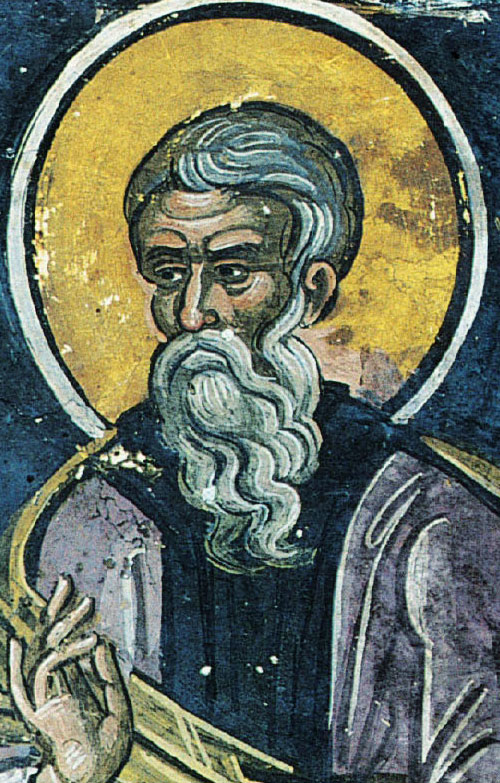
0 sources
Theodore of Sykeon
Summary
Theodore of Sykeon is a human[1]. He was born on January 1, 501[2]. He died on April 22, 613[3]. He worked as a monk[4] and cleric[5]. He ranks in the top 0.73% of human entities by monthly Wikipedia readership (71 views/month, #7,273 of 1,000,298).[6]
Key Facts
- Theodore of Sykeon was born on January 1, 501[2].
- Theodore of Sykeon died on April 22, 613[3].
- Theodore of Sykeon held citizenship in Byzantine Empire[7].
- Theodore of Sykeon worked as a monk[4].
- Theodore of Sykeon worked as a cleric[5].
- Theodore of Sykeon held the position of bishop[8].
- Theodore of Sykeon held the position of metropolitan[9].
- A notable student of Theodore of Sykeon was Georgios Eleusios[10].
- Theodore of Sykeon's religion is recorded as Christianity[11].
- Theodore of Sykeon is recorded as male[12].
- Theodore of Sykeon's instance of is recorded as human[13].
- Theodore of Sykeon's canonization status is recorded as thaumaturge[14].
- Theodore of Sykeon's given name is recorded as Theodoros[15].
- Theodore of Sykeon's feast day is recorded as April 22[16].
- Theodore of Sykeon's languages spoken, written or signed is recorded as medieval Greek[17].
- Theodore of Sykeon's birth name is recorded as {'lang': 'el', 'text': 'Θεόδωρος'}[18].
Body
Origins and Family
Theodore of Sykeon was born on January 1, 501[2].
Career and Affiliations
Recorded occupations include monk[4] and cleric[5]. Positions held include bishop[8], an ecclesiastical occupation[19] and metropolitan[9], an ecclesiastical occupation[20]. A notable student of Theodore of Sykeon was Georgios Eleusios[10].
Personal Life
Theodore of Sykeon's religion is recorded as Christianity[11].
Death and Burial
Theodore of Sykeon died on April 22, 613[3].
Why It Matters
Theodore of Sykeon ranks in the top 0.73% of human entities by monthly Wikipedia readership (71 views/month, #7,273 of 1,000,298).[6] He has Wikipedia articles in 10 language editions, a strong signal of global cultural recognition.[21] He is known by 9 alternative names across languages and contexts.[22]