
The Tin Drum
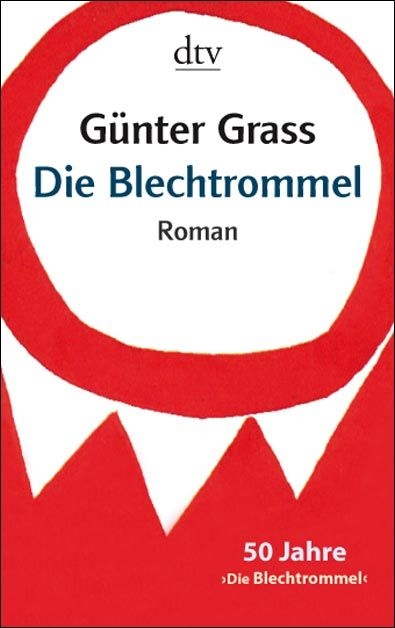
0 sources
The Tin Drum
Summary
The Tin Drum is a literary work[1]. It ranks in the top 3% of literary_work entities by monthly Wikipedia readership (1,853 views/month).[2]
Key Facts
- The Tin Drum authored Günter Grass[3].
- The Tin Drum's instance of is recorded as literary work[4].
- The Tin Drum's genre is picaresque novel[5].
- The Tin Drum's genre is magic realist fiction[6].
- The Tin Drum's genre is developmental novel[7].
- The Tin Drum's genre is period novel[8].
- The Tin Drum's genre is autofiction[9].
- The Tin Drum's genre is Künstlerroman[10].
- The Tin Drum's genre is metafiction[11].
- The Tin Drum's genre is social fiction[12].
- The Tin Drum's genre is historical fiction[13].
- The Tin Drum was followed by Cat and Mouse[14].
- The Tin Drum's part of the series is recorded as Danzig Trilogy[15].
- The Tin Drum's depicts is recorded as human sexuality[16].
- The Tin Drum's Commons category is recorded as Die Blechtrommel[17].
- The Tin Drum's language of work or name is recorded as German[18].
- The Tin Drum's country of origin is recorded as Germany[19].
- The Tin Drum was published on 1959[20].
- The Tin Drum's characters is recorded as Agnes Matzerath[21].
- The Tin Drum's characters is recorded as Alexander Scheffler[22].
- The Tin Drum's characters is recorded as Alfred Matzerath[23].
- The Tin Drum's characters is recorded as Anna Koljaiczek[24].
- The Tin Drum's characters is recorded as Axel Mischke[25].
- The Tin Drum's characters is recorded as Bebra[26].
- The Tin Drum's characters is recorded as Bruno Münsterberg[27].
Body
Authorship and Creation
The Tin Drum authored Günter Grass[3].
Publication
The Tin Drum was released on 1959[20]. Its language of work or name is recorded as German[18]. Genres include picaresque novel[5], magic realist fiction[6], developmental novel[7], period novel[8], autofiction[9], and Künstlerroman[10]. Its part of the series is recorded as Danzig Trilogy[15].
Subject and Themes
The Tin Drum's part of the series is recorded as Danzig Trilogy[15].
Adaptations and Inspiration
The Tin Drum was followed by Cat and Mouse[14].
Why It Matters
The Tin Drum ranks in the top 3% of literary_work entities by monthly Wikipedia readership (1,853 views/month).[2] It has Wikipedia articles in 24 language editions, a strong signal of global cultural recognition.[28] It is known by 9 alternative names across languages and contexts.[29]