
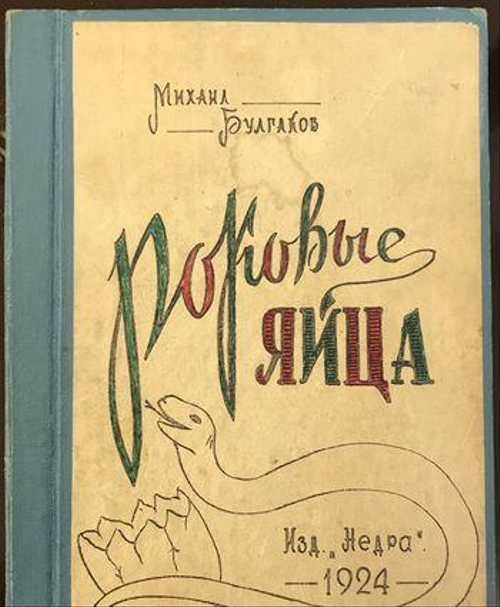
The Fatal Eggs
novel by Mikhail Bulgakov
Press Enter · cited answer in seconds
0 sources
The Fatal Eggs
Summary
The Fatal Eggs is a literary work[1]. It has Wikipedia articles in 13 language editions, a strong signal of global cultural recognition.[2]
Key Facts
- The Fatal Eggs authored Mikhail Bulgakov[3].
- The Fatal Eggs's instance of is recorded as literary work[4].
- The Fatal Eggs's genre is short novel[5].
- The Fatal Eggs's genre is science fiction[6].
- The Fatal Eggs's language of work or name is recorded as Russian[7].
- The Fatal Eggs's country of origin is recorded as Soviet Union[8].
- 1924 marks the founding of The Fatal Eggs[9].
- The Fatal Eggs was published on 1925[10].
- The Fatal Eggs's has edition or translation is recorded as The Fatal Eggs[11].
- The Fatal Eggs's narrative location is recorded as Soviet Union[12].
- The Fatal Eggs's narrative location is recorded as Moscow[13].
- The Fatal Eggs's topic's main category is recorded as Q15889251[14].
- The Fatal Eggs's title is recorded as {'lang': 'ru', 'text': 'Роковые яйца'}[15].
- The Fatal Eggs's first line is recorded as {'lang': 'ru', 'text': '16 апреля 1928 года, вечером, профессор зоологии IV государственного университета и директор зооинститута в Москве Персиков вошел в свой кабинет, помещающийся в зооинституте, что на улице Герцена.'}[16].
- The Fatal Eggs dates from the contemporary literature[17].
- The Fatal Eggs's set in period is recorded as 1928[18].
- The Fatal Eggs's form of creative work is recorded as novel[19].
- The Fatal Eggs's form of creative work is recorded as novella[20].
Body
Authorship and Creation
The Fatal Eggs authored Mikhail Bulgakov[3].
Publication
The Fatal Eggs was published on 1925[10]. Its language of work or name is recorded as Russian[7]. Genres include short novel[5] and science fiction[6].
Material and Period
The Fatal Eggs dates from the contemporary literature[17].
Why It Matters
The Fatal Eggs has Wikipedia articles in 13 language editions, a strong signal of global cultural recognition.[2] It is known by 4 alternative names across languages and contexts.[21]