
Shuaib Arnaut
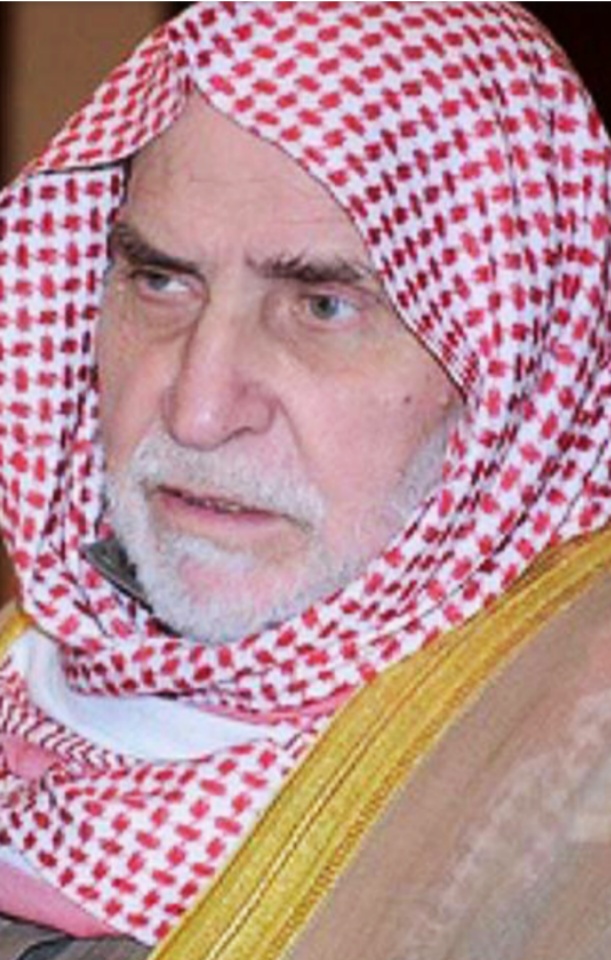
0 sources
Shuaib Arnaut
Summary
Shuaib Arnaut is a human[1]. Born in Damascus[2], he… he was born on 1928[3]. He passed away in Amman[4]. He died on October 27, 2016[5]. He worked as a manuscriptologist[6]. He ranks in the top 0.73% of human entities by monthly Wikipedia readership (64 views/month, #7,253 of 1,000,298).[7]
Key Facts
- Born in Damascus[2], Shuaib Arnaut…
- Shuaib Arnaut passed away in Amman[4].
- Shuaib Arnaut was born on 1928[3].
- Shuaib Arnaut died on October 27, 2016[5].
- Shuaib Arnaut held citizenship in Syria[8].
- Shuaib Arnaut worked as a manuscriptologist[6].
- A notable student of Shuaib Arnaut was Q136574717[9].
- A notable work attributed to Shuaib Arnaut is Sahih Ibn Hibbaan[10].
- A notable work attributed to Shuaib Arnaut is Siyar A'lam al-Nubala (Muʼassasat al-Risālah, 1996)[11].
- A notable work attributed to Shuaib Arnaut is Sharh Mushkil al-Athar[12].
- A notable work attributed to Shuaib Arnaut is Zad al-Ma'ad[13].
- A notable work attributed to Shuaib Arnaut is Zād al-masīr fī ʻilm al-tafsīr[14].
- A notable work attributed to Shuaib Arnaut is Q16126489[15].
- Shuaib Arnaut's religion is recorded as Islam[16].
- Shuaib Arnaut is recorded as male[17].
- Shuaib Arnaut's instance of is recorded as human[18].
- Shuaib Arnaut's family name is recorded as Arnaoot[19].
- Shuaib Arnaut's given name is recorded as Shoaib[20].
- Shuaib Arnaut studied under Muhammad Salih al-Farfur[21].
- Shuaib Arnaut studied under Abd al-Razzaq Halabi[22].
- Shuaib Arnaut's languages spoken, written or signed is recorded as Albanian[23].
- Shuaib Arnaut's languages spoken, written or signed is recorded as Arabic[24].
- Shuaib Arnaut's name in native language is recorded as {'lang': 'ar', 'text': 'شعيب بن محرم الألباني الأرناؤوطي'}[25].
- Shuaib Arnaut's different from is recorded as ʻAbd al-Qādir al-Arnāʼūṭ[26].
Body
Origins and Family
Shuaib Arnaut was born in Damascus[2]. He was born on 1928[3].
Education
Studied under Muhammad Salih al-Farfur[21], a teacher[27], 1901–1986[28], of Ottoman Empire[29] and Abd al-Razzaq Halabi[22], an ulema[30], 1925–2012[31], of State of Syria[32].
Career and Affiliations
Shuaib Arnaut's professions included manuscriptologist[6]. A notable student of him was Q136574717[9].
Works and Contributions
Notable works include Sahih Ibn Hibbaan[10], a written work[33], written by Ibn Hibban[34]; Siyar A'lam al-Nubala (Muʼassasat al-Risālah, 1996)[11], a version, edition or translation[35], written by Al-Dhahabi[36]; Sharh Mushkil al-Athar[12], a literary work[37], written by Ahmad ibn Muhammad al-Tahawi[38]; Zad al-Ma'ad[13], a written work[39], written by Ibn Qayyim al-Jawziyya[40]; Zād al-masīr fī ʻilm al-tafsīr[14], a literary work[41], written by Abu'l-Faraj ibn al-Jawzi[42]; and Q16126489[15], a literary work[43], written by Al-Nawawi[44].
Personal Life
Shuaib Arnaut's religion is recorded as Islam[16].
Death and Burial
Shuaib Arnaut died on October 27, 2016[5]. He died in Amman[4].
Why It Matters
Shuaib Arnaut ranks in the top 0.73% of human entities by monthly Wikipedia readership (64 views/month, #7,253 of 1,000,298).[7] He is known by 5 alternative names across languages and contexts.[45]
FAQs
Where was Shuaib Arnaut born?
Shuaib Arnaut's place of birth was Damascus[2].
Where did Shuaib Arnaut die?
Shuaib Arnaut died in Amman[4].
What did Shuaib Arnaut do for work?
Shuaib Arnaut worked as manuscriptologist[6].