
Shavian alphabet
phonetic alphabet proposed for English spelling
Press Enter · cited answer in seconds
0 sources
Shavian alphabet
Summary
Shavian alphabet is a phonetic transcription[1]. It draws 247 Wikipedia views per month (phonetic_transcription category, ranking #1 of 3).[2]
Key Facts
- Shavian alphabet is credited with the discovery of Ronald Kingsley Read[3].
- Shavian alphabet is the creator of Ronald Kingsley Read[4].
- Shavian alphabet's instance of is recorded as phonetic transcription[5].
- Shavian alphabet's instance of is recorded as constructed writing system[6].
- Shavian alphabet's instance of is recorded as featural writing system[7].
- Shavian alphabet's instance of is recorded as unicase alphabet[8].
- George Bernard Shaw is named after Shavian alphabet[9].
- Shavian alphabet is used for English[10].
- Shavian alphabet is used for Esperanto[11].
- Shavian alphabet's Commons category is recorded as Shavian alphabet[12].
- Shavian alphabet's language of work or name is recorded as English[13].
- Shavian alphabet's language of work or name is recorded as Esperanto[14].
- 1960 marks the founding of Shavian alphabet[15].
- Shavian alphabet's topic's main category is recorded as Category:Shavian alphabet[16].
- Shavian alphabet's Commons gallery is recorded as Shavian alphabet[17].
- Shavian alphabet's facet of is recorded as English[18].
- Shavian alphabet's script directionality is recorded as left-to-right[19].
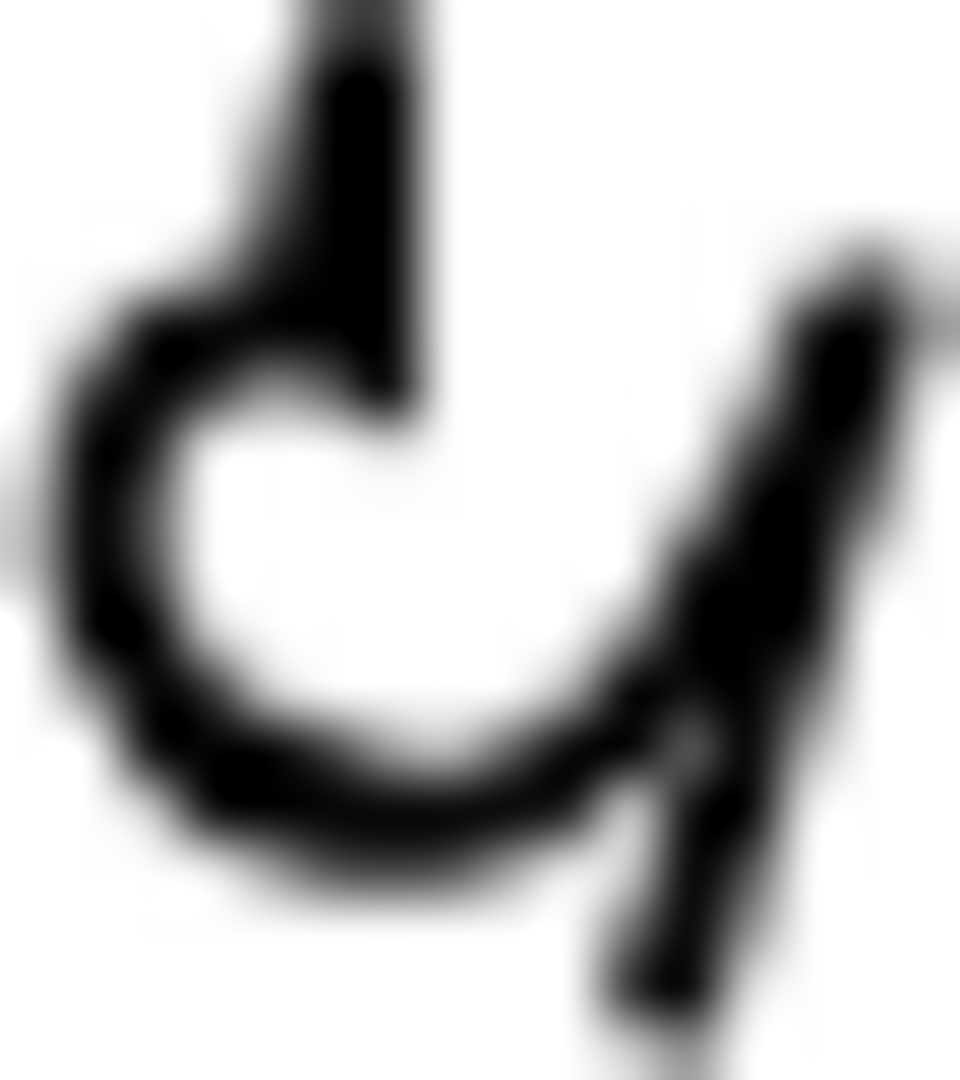
- Shavian alphabet's native label is recorded as 𐑖𐑱𐑝𐑾𐑯[20].
- Shavian alphabet's Unicode range is recorded as U+10450-1047F[21].
Body
Definition and Type
Recorded instance of include phonetic transcription[5], constructed writing system[6], featural writing system[7], and unicase alphabet[8].
Origins
George Bernard Shaw is named after Shavian alphabet[9]. 1960 marks the founding of it[15].
Use and Application
Recorded has use include English[10] and Esperanto[11].
Why It Matters
Shavian alphabet draws 247 Wikipedia views per month (phonetic_transcription category, ranking #1 of 3).[2] It has Wikipedia articles in 12 language editions, a strong signal of global cultural recognition.[22] It is known by 22 alternative names across languages and contexts.[23]