
Santō Kyōden
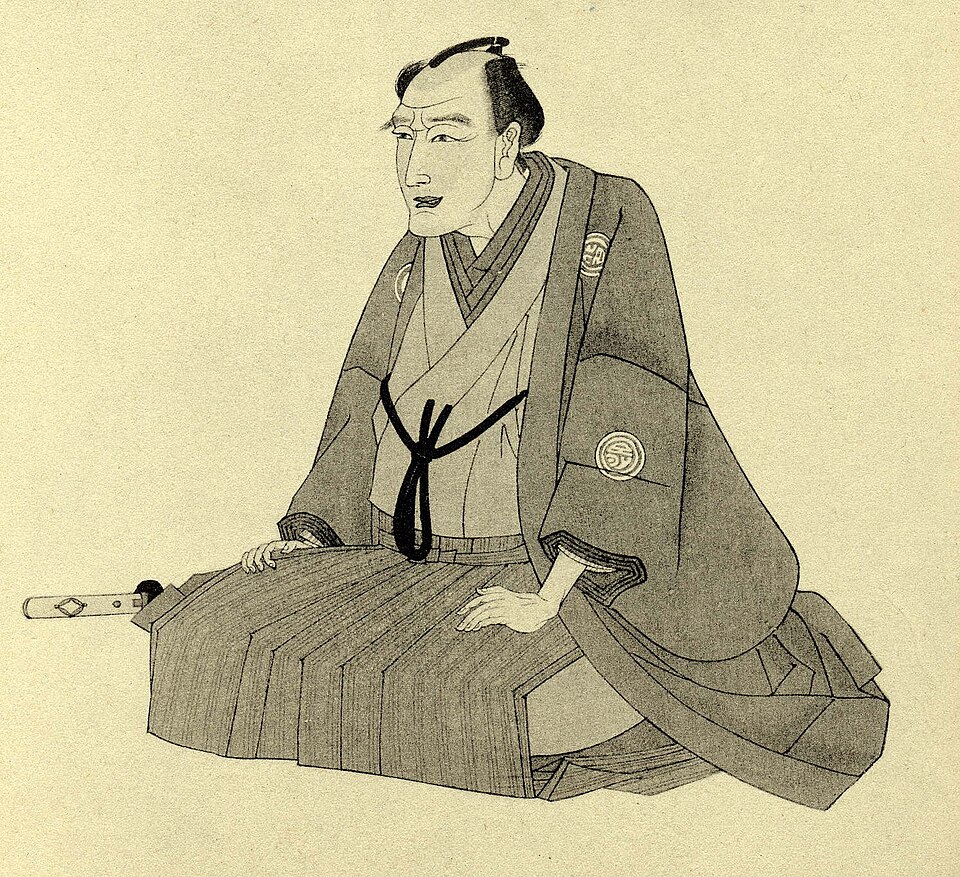
0 sources
Summary
Santō Kyōden was born on September 13, 1761[1], in Kiba[2]. He died on October 27, 1816[3]. He worked as a poet[4], writer[5], ukiyo-e artist[6], essayist[7], and painter[8]. He ranks in the top 0.73% of human entities by monthly Wikipedia readership (1,212 views/month, #7,285 of 1,000,298).[9]
Key Facts
- Date of birth: January 1, 1761[10]
- Date of death: January 1, 1816[11]
- Place of burial: Ekō-in Temple[12]
- Country of citizenship: Japan[13]
- Ethnic group: Yamato people[14]
- Occupation: artist[15], graphic artist[16]
- Field of work: ukiyo-e[17], poetry[18]
- Notable work: Edo umare uwakino kabayaki[19], 古契三娼[20], Jidai sewa nichō tsuzumi[21]
- Sex or gender: male[22]
- Commons category: Santō Kyōden[23]
- Cause of death: shoshin beriberi[24]
- Family name: Santō[25]
- Work location: Japan[26]
- Student of: Kitao Shigemasa[27]
- Manner of death: natural causes[28]
- Languages spoken, written or signed: Japanese[29]
- Commons Creator page: Santō Kyōden[30]
- Name in native language: 山東京伝[31]
- Penalty: 手鎖[32]
- Name in kana: さんとう きょうでん[33]
- Start of work period: 1778[34]
- End of work period: 1815[35]
- Sibling: Santō Kyōzan[36]
- On focus list of Wikimedia project: WikiProject New York Public Library[37]
- Has works in the collection: Minneapolis Institute of Art[38]
Why It Matters
Santō Kyōden has Wikipedia articles in 11 language editions, a strong signal of global cultural recognition.[39] He is known by 67 alternative names across languages and contexts.[40]
He has been cited as an influence by KYOKUTEI Bakin[41], a novelist[42], 1767–1848[43], of Tokugawa shogunate[44].
FAQs
Where was Santō Kyōden born?
Santō Kyōden was born in Kiba[2].
What did Santō Kyōden do for work?
Santō Kyōden worked as a poet[4], writer[5], ukiyo-e artist[6], essayist[7], and painter[8].
Who did Santō Kyōden influence?
Santō Kyōden has been cited as an influence by KYOKUTEI Bakin[41].