
Rudolf von Roth
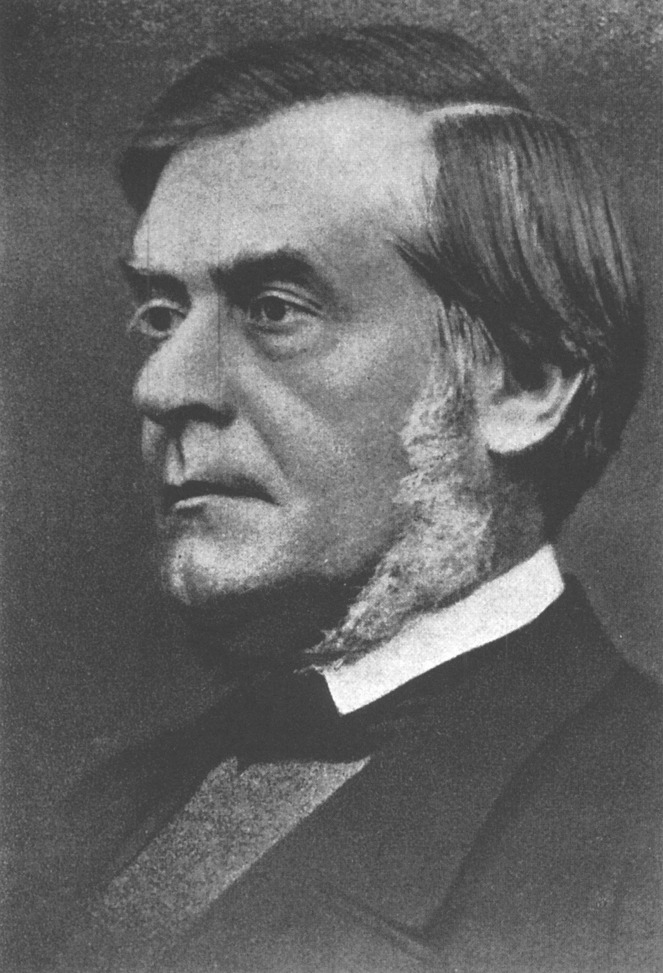
0 sources
Rudolf von Roth
Summary
Rudolf von Roth is a human[1]. His place of birth was Stuttgart[2]. He was born on April 3, 1821[3]. He died in Tübingen[4]. He died on June 23, 1895[5]. He worked as a librarian[6], university teacher[7], and translator[8]. He has Wikipedia articles in 10 language editions, a strong signal of global cultural recognition.[9]
Key Facts
- Rudolf von Roth was born in Stuttgart[2].
- Rudolf von Roth passed away in Tübingen[4].
- Rudolf von Roth was born on April 3, 1821[3].
- Rudolf von Roth died on June 23, 1895[5].
- Rudolf von Roth held citizenship in Kingdom of Württemberg[10].
- Rudolf von Roth's professions included librarian[6].
- Rudolf von Roth's professions included university teacher[7].
- Rudolf von Roth worked as a translator[8].
- Rudolf von Roth's field of work was Indology[11].
- Rudolf von Roth was employed by University of Tübingen[12].
- Rudolf von Roth's education included a stint at University of Tübingen[13].
- Rudolf von Roth's education included a stint at Humboldt-Universität zu Berlin[14].
- Rudolf von Roth's doctoral advisor was Heinrich Ewald[15].
- A notable student of Rudolf von Roth was Peter von Bradke[16].
- A notable work attributed to Rudolf von Roth is Q131364604[17].
- Rudolf von Roth was a member of Royal Prussian Academy of Sciences[18].
- Rudolf von Roth was a member of Austrian Academy of Sciences[19].
- Rudolf von Roth was a member of Bavarian Academy of Sciences and Humanities[20].
- Rudolf von Roth was a member of Göttingen Academy of Sciences and Humanities in Lower Saxony[21].
- Rudolf von Roth was a member of Russian Academy of Sciences[22].
- Rudolf von Roth is recorded as male[23].
- Rudolf von Roth's instance of is recorded as human[24].
- Rudolf von Roth's Commons category is recorded as Rudolf von Roth[25].
- Rudolf von Roth's archives at is recorded as University Library of Tübingen[26].
- Rudolf von Roth's archives at is recorded as Tübingen University Archives[27].
Body
Origins and Family
Born in Stuttgart[2], Rudolf von Roth… he was born on April 3, 1821[3].
Education
Educated at University of Tübingen[13], a comprehensive university[28], in Germany[29], founded in 1477[30], headquartered in Tübingen[31] and Humboldt-Universität zu Berlin[14], a comprehensive university[32], in Germany[33], founded in 1809[34], headquartered in Berlin[35]. Rudolf von Roth's doctoral advisor was Heinrich Ewald[15]. Studied under Heinrich Ewald[36], a theologian[37], 1803–1875[38], of Kingdom of Hanover[39], awarded the honorary doctorate of the University of Copenhagen[40], specialised in study of the Hebrew language[41] and Eugène Burnouf[42], a linguist[43], 1801–1852[44], of France[45], awarded the Volney Prize[46].
Career and Affiliations
Recorded occupations include librarian[6], university teacher[7], and translator[8]. Rudolf von Roth's field of work was Indology[11]. He was employed by University of Tübingen[12]. A notable student of him was Peter von Bradke[16].
Works and Contributions
A notable work attributed to Rudolf von Roth is Q131364604[17].
Death and Burial
Rudolf von Roth died on June 23, 1895[5]. He passed away in Tübingen[4].
Why It Matters
Rudolf von Roth has Wikipedia articles in 10 language editions, a strong signal of global cultural recognition.[9] He is known by 13 alternative names across languages and contexts.[47]
His notable doctoral advisees include Heinrich Zimmer[48], an Indo-Europeanist[49], 1851–1910[50], of Kingdom of Prussia[51], specialised in Celtic languages[52].
FAQs
Where was Rudolf von Roth born?
Rudolf von Roth's place of birth was Stuttgart[2].
Where did Rudolf von Roth die?
Rudolf von Roth died in Tübingen[4].
What did Rudolf von Roth do for work?
Rudolf von Roth worked as librarian[6], university teacher[7], and translator[8].
Where did Rudolf von Roth go to school?
Rudolf von Roth was educated at University of Tübingen[13] and Humboldt-Universität zu Berlin[14].