
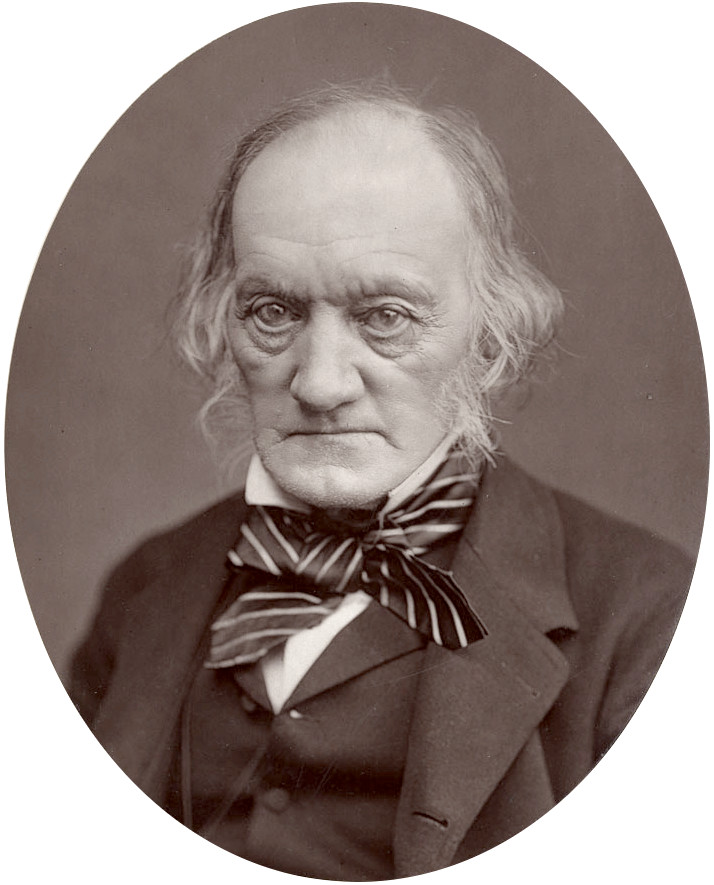
Richard Owen
0 sources
Summary
Richard Owen was born on July 20, 1804[1], in Lancaster[2]. He died on December 18, 1892[3], in Richmond Park[4]. He worked as a curator[5], biologist[6], paleontologist[7], zoologist[8], and university teacher[9]. He ranks in the top 0.69% of human entities by monthly Wikipedia readership (3,261 views/month, #6,950 of 1,000,298).[10]
Key Facts
- Place of death: London[11]
- Place of burial: St Andrew's Church, Ham, London[12]
- Spouse: Q140363422[13]
- Child: Q140043899[14]
- Country of citizenship: United Kingdom of Great Britain and Ireland[15]
- Occupation: anatomist[16], paleoanthropologist[17], writer[18], pharmacist[19], naturalist[20], surgeon[21]
- Field of work: zoology[22], paleontology[23]
- Position held: museum director[24]
- Employer: Hunterian Museum[25], Royal College of Surgeons of England[26], Natural History Museum[27]
- Educated at: University of Edinburgh[28], Lancaster Royal Grammar School[29], Barts and The London School of Medicine and Dentistry[30]
- Award received: Pour le Mérite for Sciences and Arts order[31], Fellow of the Royal Society[32], Knight Commander of the Order of the Bath[33], Royal Medal[34], Copley Medal[35], Clarke Medal[36], Linnean Medal[37], Royal Society Bakerian Medal[38], Croonian Medal and Lecture[39], Wollaston Medal[40], Pour le Mérite[41], Honorary Fellow of the Royal Society Te Apārangi[42]
- Member of: Royal Society[43], German Academy of Sciences Leopoldina[44], Royal Swedish Academy of Sciences[45], Saint Petersburg Academy of Sciences[46], Hungarian Academy of Sciences[47], French Academy of Sciences[48], American Academy of Arts and Sciences[49], Royal Prussian Academy of Sciences[50], Royal Microscopical Society[51], Accademia Nazionale delle Scienze detta dei XL[52], Bavarian Academy of Sciences and Humanities[53], Royal Netherlands Academy of Arts and Sciences[54], National Academy of Sciences[55], Academy of Sciences of Turin[56]
- Sex or gender: male[57]
- Commons category: Richard Owen[58]
- Archives at: National Library of Wales[59]
- Residence: England[60]
- Family name: Owen[61]
Why It Matters
Richard Owen has Wikipedia articles in 27 language editions, a strong signal of global cultural recognition.[62] He is known by 64 alternative names across languages and contexts.[63]
Works attributed to him include Zoology of the Voyage of H.M.S. Beagle[64], a literary work[65], written by Charles Darwin[66].
FAQs
Where was Richard Owen born?
Richard Owen was born in Lancaster[2].
Where did Richard Owen die?
Richard Owen passed away in Richmond Park[4].
Who was Richard Owen married to?
Richard Owen's spouses include Q140363422[13].
What did Richard Owen do for work?
Richard Owen worked as a curator[5], biologist[6], paleontologist[7], zoologist[8], and university teacher[9].
Where did Richard Owen go to school?
Richard Owen was educated at University of Edinburgh[28], Lancaster Royal Grammar School[29], and Barts and The London School of Medicine and Dentistry[30].
What awards did Richard Owen receive?
Honors received include Pour le Mérite for Sciences and Arts order[31], Fellow of the Royal Society[32], Knight Commander of the Order of the Bath[33], and Royal Medal[34].