
Pennantiaceae
family of plants
Press Enter · cited answer in seconds
0 sources
Pennantiaceae
Summary
Pennantiaceae is a monotypic taxon[1]. Pennantiaceae has Wikipedia articles in 10 language editions, a strong signal of global cultural recognition.[2]
Key Facts
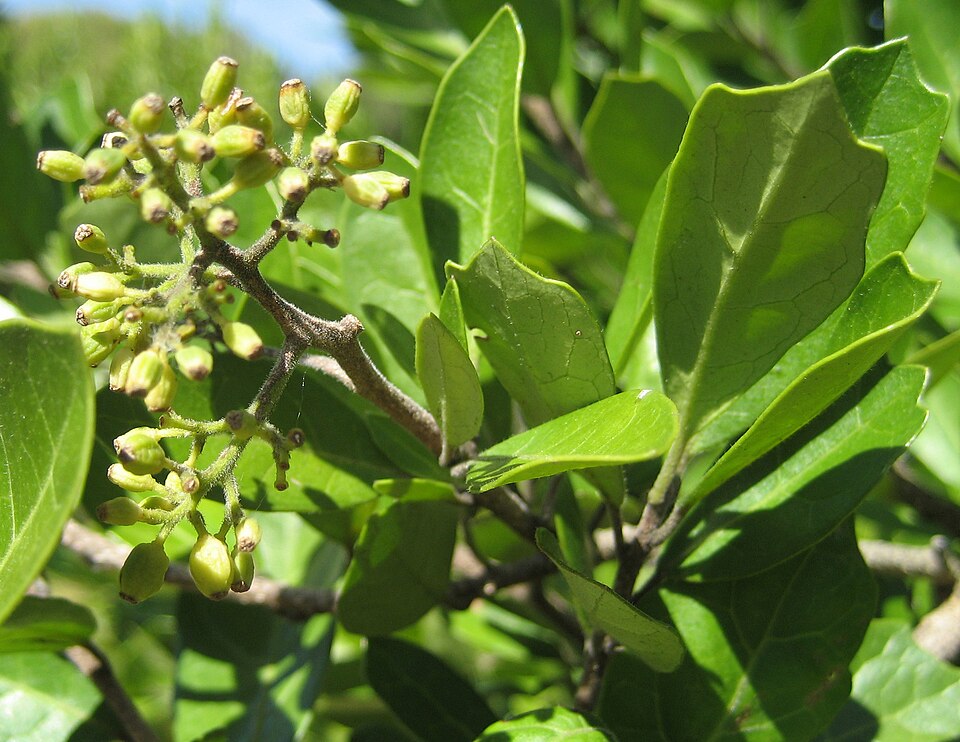
- Pennantiaceae's image is recorded as Pennantiacorymbosa2.jpg[3].
- Pennantiaceae's instance of is recorded as monotypic taxon[4].
- Pennantiaceae's taxon rank is recorded as family[5].
- Pennantiaceae's parent taxon is recorded as Apiales[6].
- Pennantiaceae's parent taxon is recorded as Aralidiineae[7].
- Pennantiaceae's taxon name is recorded as Pennantiaceae[8].
- Pennantiaceae's Commons category is recorded as Pennantiaceae[9].
- Pennantiaceae's NCBI taxonomy ID is recorded as 159369[10].
- Pennantiaceae's ITIS TSN is recorded as 896815[11].
- Pennantiaceae's Fossilworks taxon ID is recorded as 183093[12].
- Pennantiaceae's GBIF taxon ID is recorded as 4896790[13].
- Pennantiaceae's topic's main category is recorded as Category:Pennantiaceae[14].
- Pennantiaceae's Tropicos ID is recorded as 50207209[15].
- Pennantiaceae's GRIN URL is recorded as https://npgsweb.ars-grin.gov/gringlobal/taxonomyfamily.aspx?id=838[16].
- Pennantiaceae's Watson & Dallwitz family ID is recorded as pennanti[17].
- Pennantiaceae's taxon common name is recorded as {'lang': 'fr', 'text': 'Pennantiacées'}[18].
- Pennantiaceae's taxon common name is recorded as {'lang': 'zh', 'text': '毛柴木科'}[19].
- Pennantiaceae's Google Knowledge Graph ID is recorded as /g/1q6jgcr8f[20].
- Pennantiaceae's New Zealand Organisms Register ID is recorded as 80cff2a2-1cff-4d44-a52c-6da6e1c4053d[21].
- Pennantiaceae's UMLS CUI is recorded as C1193971[22].
- Pennantiaceae's EPPO Code is recorded as 1QNNF[23].
- Pennantiaceae's iNaturalist taxon ID is recorded as 71589[24].
- Pennantiaceae's Plants of the World Online ID is recorded as urn:lsid:ipni.org:names:77126794-1[25].
- Pennantiaceae's IRMNG ID is recorded as 118851[26].
- Pennantiaceae's APNI ID is recorded as 214635[27].
Why It Matters
Pennantiaceae has Wikipedia articles in 10 language editions, a strong signal of global cultural recognition.[2]