
Oda Nobunaga
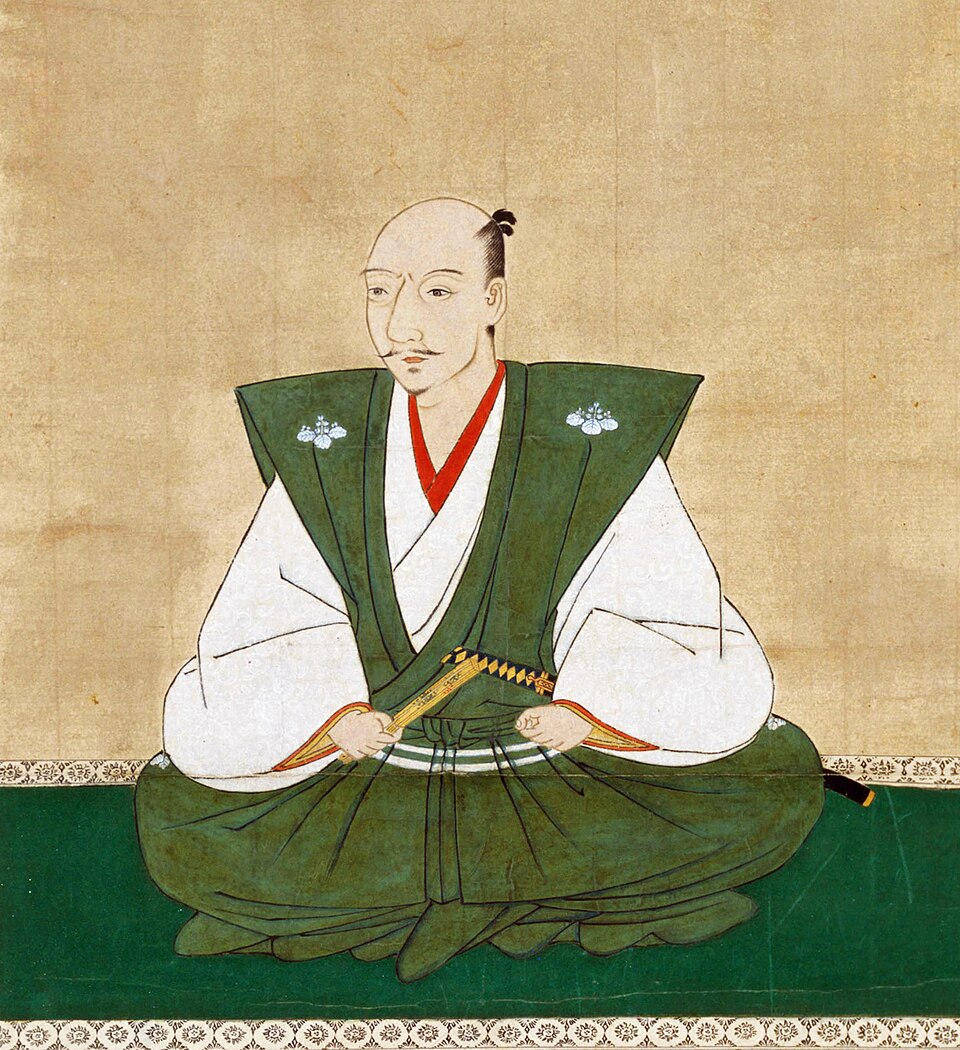
0 sources
Summary
Oda Nobunaga was born in Nagoya Castle (16th century)[1]. He died in former site of Honnō-ji[2]. He worked as a daimyo[3] and military leader[4]. He ranks in the top 0.38% of human entities by monthly Wikipedia readership (51,275 views/month, #3,814 of 1,000,298).[5]
Key Facts
- Place of birth: Shobata Castle[6]
- Place of burial: Honnō-ji Temple[7], Sōken-in[8], Amida-ji Temple[9], Sōken-ji Temple[10]
- Father: Oda Nobuhide[11]
- Mother: Dota Gozen[12]
- Spouse: Nō-hime[13], Kitsuno[14], Harada Naoko[15], Kōun-in[16], Yokan-in[17], 慈徳院 (織田信長側室)[18], Hijikata (Concubine of Oda Nobunaga)[19], Saka[20], Yutsumaki[21], Shunyomyōchō-daishi[22], Q109123196[23], Q109123248[24], Q109177237[25]
- Child: Oda Nobutada[26], Oda Nobukatsu[27], Oda Nobutaka[28], Hashiba Hidekatsu[29], Oda Katsunaga[30], Toku-hime[31], Fuyu-hime[32], Tsuru-hime[33], Ofuri[34], Oda Nobuyoshi[35], Ei-hime[36], Genko-in[37], Getsumyoin[38], Oda Nobuhide[39]
- Country of citizenship: Japan[40]
- Field of work: military art[41], war[42], ruler[43]
- Position held: Udaijin[44], Konoe Daisho[45]
- Religion or worldview: Shinto[46], Nichiren Buddhism[47]
- Sex or gender: male[48]
- Family: Oda clan[49]
- Ancestral home: Ota-no-shō[50]
- Noble title: daimyo[51]
- Part of: San ei-Ketsu[52], list of people of Sengoku period Japan in Nobunaga's Ambition (game)[53], Sengoku daimyo[54]
- Commons category: Oda Nobunaga[55]
- Military, police or special rank: daimyo[56]
- Has seal, badge, or sigil: Tenka Fubu[57]
Body
Works and Contributions
Things named for Oda Nobunaga include Nagahama Castle[58], a Japanese castle[59], in Japan[60], founded in 1575[61] and Sōken-in[62], a tatchū[63], in Japan[64], founded in 1583[65].
Why It Matters
Oda Nobunaga has Wikipedia articles in 29 language editions, a strong signal of global cultural recognition.[66] He is known by 63 alternative names across languages and contexts.[67]
Entities named for him include Nagahama Castle[58], a Japanese castle[59], in Japan[60], founded in 1575[61] and Sōken-in[62], a tatchū[63], in Japan[64], founded in 1583[65].
FAQs
Where was Oda Nobunaga born?
Oda Nobunaga's place of birth was Nagoya Castle (16th century)[1].
Where did Oda Nobunaga die?
Oda Nobunaga passed away in former site of Honnō-ji[2].
Who were Oda Nobunaga's parents?
Oda Nobunaga's father was Oda Nobuhide[11]. Oda Nobunaga's mother was Dota Gozen[12].
Who was Oda Nobunaga married to?
Oda Nobunaga's spouses include Nō-hime[13], Kitsuno[14], Harada Naoko[15], and Kōun-in[16].