
Miroslav Krleža
0 sources
Summary
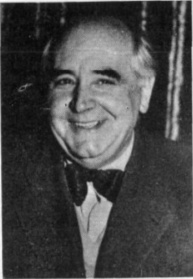
Miroslav Krleža was born on July 7, 1893[1], in Zagreb[2]. He died on December 29, 1981[3], in Zagreb[4]. He worked as a writer[5], poet[6], journalist[7], prose writer[8], and essayist[9]. He ranks in the top 0.72% of human entities by monthly Wikipedia readership (836 views/month, #7,211 of 1,000,298).[10]
Key Facts
- Place of burial: Mirogoj Cemetery[11]
- Spouse: Bela Krleža[12]
- Country of citizenship: Hungary[13], Kingdom of Yugoslavia[14], Democratic Federal Yugoslavia[15], Socialist Federal Republic of Yugoslavia[16]
- Native language: Croatian[17]
- Ethnic group: Croats[18]
- Field of work: poetry[19], prose[20], essay[21], creative and professional writing[22]
- Educated at: Ludovica Military Academy[23]
- Notable work: Messrs. Glembay[24], Croatian God Mars[25], Ballads of Petrica Kerempuh[26], The Return of Philip Latinowicz[27], Flags[28]
- Award received: Order of the Hero of Socialist Labour[29], NIN Prize[30], Vladimir Nazor Award[31], Herder Prize[32], Grand Order of King Dmitar Zvonimir[33], Order of the Yugoslavian Great Star[34], Order of Brotherhood and Unity[35], Austrian State Prize for European Literature[36], Golden Wreath[37], International Botev Prize[38], Njegoševa nagrada[39], star on Croatian Walk of Fame[40]
- Member of: Serbian Academy of Sciences and Arts[41], Slovenian Academy of Sciences and Arts[42], Croatian Academy of Sciences and Arts[43]
- Religion or worldview: atheism[44]
- Sex or gender: male[45]
- Movement: modernism[46], avant-garde[47]
- Commons category: Miroslav Krleža[48]
- Participated in conflict: World War I[49]
- Family name: Krleža[50]
- Given name: Miroslav[51]
- Topic's main category: Category:Miroslav Krleža[52]
Body
Works and Contributions
Things named for Miroslav Krleža include Miroslav Tuđman[53], a sociologist[54], 1946–2021[55], of Croatia[56], awarded the Order of Duke Domagoj[57], specialised in information science[58] and Miroslav Krleža Lexicographical Institute[59], a book publisher[60], in Croatia[61], founded in 1950[62].
Why It Matters
Miroslav Krleža has Wikipedia articles in 21 language editions, a strong signal of global cultural recognition.[63] He is known by 25 alternative names across languages and contexts.[64]
Works attributed to him include The Return of Philip Latinowicz[65], a written work[66]; Messrs. Glembay[67], a literary work[68]; Na rubu pameti[69], a literary work[70]; and Ballads of Petrica Kerempuh[71], a written work[72]. Entities named for him include Miroslav Tuđman[53], a sociologist[54], 1946–2021[55], of Croatia[56], awarded the Order of Duke Domagoj[57], specialised in information science[58] and Miroslav Krleža Lexicographical Institute[59], a book publisher[60], in Croatia[61], founded in 1950[62].
FAQs
Where was Miroslav Krleža born?
Miroslav Krleža's place of birth was Zagreb[2].
Where did Miroslav Krleža die?
Miroslav Krleža passed away in Zagreb[4].
Who was Miroslav Krleža married to?
Miroslav Krleža's spouses include Bela Krleža[12].
What did Miroslav Krleža do for work?
Miroslav Krleža worked as a writer[5], poet[6], journalist[7], prose writer[8], and essayist[9].
Where did Miroslav Krleža go to school?
Miroslav Krleža was educated at Ludovica Military Academy[23].
What awards did Miroslav Krleža receive?
Honors received include Order of the Hero of Socialist Labour[29], NIN Prize[30], Vladimir Nazor Award[31], and Herder Prize[32].