
Marshall McLuhan
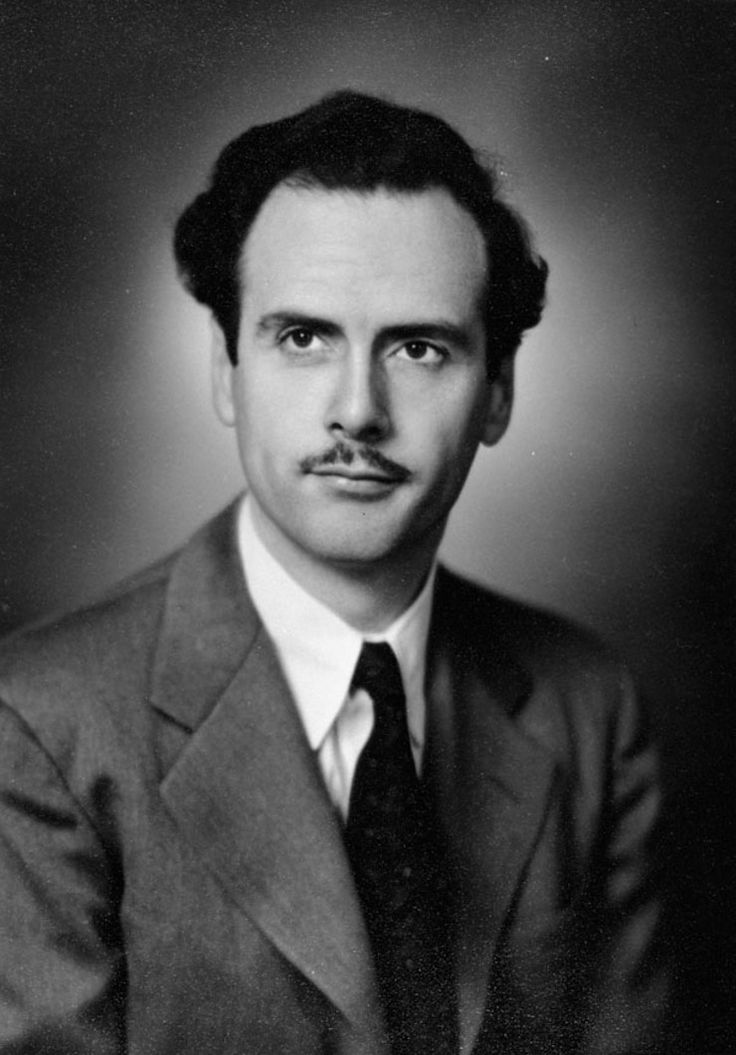
0 sources
Summary
Marshall McLuhan was born on July 21, 1911[1], in Edmonton[2]. He died on December 31, 1980[3], in Toronto[4]. He worked as a philosopher[5], writer[6], university teacher[7], sociologist[8], and literary critic[9]. He ranks in the top 0.63% of human entities by monthly Wikipedia readership (10,614 views/month, #6,314 of 1,000,298).[10]
Key Facts
- Place of burial: Holy Cross Cemetery[11]
- Spouse: Corinne Lewis[12]
- Child: Eric McLuhan[13]
- Country of citizenship: Canada[14]
- Occupation: rhetorician[15], futurist[16], literary scholar[17], opinion journalist[18], media scholar[19]
- Field of work: art history[20], literary studies[21], culturology[22], semantics[23], philosophy[24], religious studies[25], journalism[26], media ecology[27], linguistics[28], media studies[29]
- Employer: University of Toronto[30], Fordham University[31], Saint Louis University[32]
- Educated at: Trinity Hall[33], University of Manitoba[34], Kelvin High School[35]
- Student: Walter J. Ong[36]
- Award received: Molson Prize[37], Companion of the Order of Canada[38], Governor General's Award for English-language non-fiction[39], Person of National Historic Significance[40]
- Religion or worldview: Catholicism[41]
- Sex or gender: male[42]
- Doctoral student: Walter J. Ong[43]
- Commons category: Marshall McLuhan[44]
- Archives at: John M. Kelly Library[45], Thomas Fisher Rare Book Library[46], University of Toronto Archives & Records Management Services[47]
- Academic degree: doctorate[48]
- Family name: McLuhan[49]
- Given name: Marshall (nome)[50]
- Official website: https://marshallmcluhan.com[51]
- Topic's main category: Category:Marshall McLuhan[52]
- Described at URL: https://discoverarchives.library.utoronto.ca/index.php/marshall-mcluhan-papers[53]
Body
Works and Contributions
Things named for Marshall McLuhan include Centre for Culture and Technology, University of Toronto[54] and Virtual Maastricht McLuhan Institute[55].
Why It Matters
Marshall McLuhan has Wikipedia articles in 27 language editions, a strong signal of global cultural recognition.[56] He is known by 73 alternative names across languages and contexts.[57]
He has been cited as an influence by Alan Watts[58], a philosopher[59], 1915–1973[60], of United Kingdom[61], specialised in philosophy[62]; Jean Baudrillard[63], a philosopher[64], 1929–2007[65], of France[66], specialised in philosophy[67]; Jacques Ellul[68], a theologian[69], 1912–1994[70], of France[71], awarded the Prix Européen de l'Essai Charles Veillon[72]; and Norbert Bolz[73], a philosopher[74], b. 1953[75], of Germany[76], awarded the Tractatus Award[77], specialised in philosophy[78].
Works attributed to him include Understanding Media[79], a written work[80]; The Gutenberg Galaxy[81], a written work[82]; The Mechanical Bride[83], a literary work[84]; and The Gutenberg galaxy: The making of typographic man[85], a document[86]. Entities named for him include Centre for Culture and Technology, University of Toronto[54] and Virtual Maastricht McLuhan Institute[55].
His notable doctoral advisees include Walter J. Ong[87].
FAQs
Where was Marshall McLuhan born?
Marshall McLuhan was born in Edmonton[2].
Where did Marshall McLuhan die?
Marshall McLuhan died in Toronto[4].
Who was Marshall McLuhan married to?
Marshall McLuhan's spouses include Corinne Lewis[12].
What did Marshall McLuhan do for work?
Marshall McLuhan worked as a philosopher[5], writer[6], university teacher[7], sociologist[8], and literary critic[9].
Where did Marshall McLuhan go to school?
Marshall McLuhan was educated at Trinity Hall[33], University of Manitoba[34], and Kelvin High School[35].
What awards did Marshall McLuhan receive?
Honors received include Molson Prize[37], Companion of the Order of Canada[38], Governor General's Award for English-language non-fiction[39], and Person of National Historic Significance[40].
Who did Marshall McLuhan influence?
Marshall McLuhan has been cited as an influence by Alan Watts[58], Jean Baudrillard[63], Jacques Ellul[68], and Norbert Bolz[73].