
Marie-Victorin
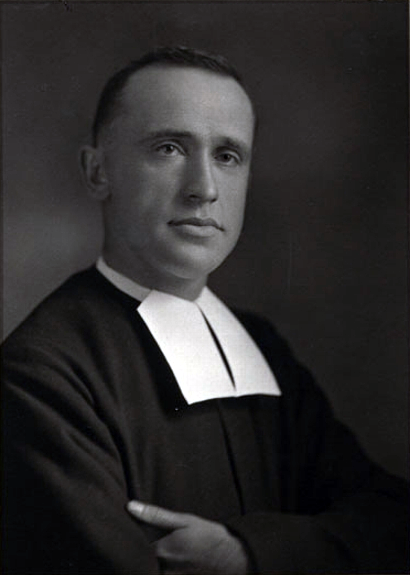
0 sources
Marie-Victorin
Summary
Marie-Victorin is a human[1]. His place of birth was Kingsey Falls[2]. He was born on April 3, 1885[3]. He passed away in Saint-Hyacinthe[4]. He died on July 15, 1944[5]. He worked as a botanist[6], teacher[7], religious[8], botanical collector[9], and scientific collector[10]. He ranks in the top 0.73% of human entities by monthly Wikipedia readership (64 views/month, #7,294 of 1,000,298).[11]
Key Facts
- Marie-Victorin was born in Kingsey Falls[2].
- Marie-Victorin passed away in Saint-Hyacinthe[4].
- Marie-Victorin was born on April 3, 1885[3].
- Marie-Victorin died on July 15, 1944[5].
- Burial took place at Quebec[12].
- Marie-Victorin is buried at Notre Dame des Neiges Cemetery[13].
- Marie-Victorin held citizenship in Canada[14].
- Marie-Victorin worked as a botanist[6].
- Marie-Victorin's professions included teacher[7].
- Marie-Victorin's professions included religious[8].
- Marie-Victorin worked as a botanical collector[9].
- Marie-Victorin's professions included scientific collector[10].
- Marie-Victorin's field of work was botany[15].
- Among Marie-Victorin's employers was Université de Montréal[16].
- Marie-Victorin received the Léo-Pariseau Prize[17].
- Marie-Victorin received the Prix de Coincy[18].
- Marie-Victorin received the honorary doctorate at the Laval University[19].
- Marie-Victorin received the Person of National Historic Significance[20].
- Marie-Victorin's religion is recorded as Catholic Church[21].
- Marie-Victorin is recorded as male[22].
- Marie-Victorin's instance of is recorded as human[23].
- Marie-Victorin supervised Joseph Robert Bernard Boivin as a doctoral student[24].
- Marie-Victorin's Commons category is recorded as Brother Marie-Victorin[25].
- The cause of death was traffic collision[26].
- Marie-Victorin's religious order is recorded as Institute of the Brothers of the Christian Schools[27].
Body
Origins and Family
Marie-Victorin's place of birth was Kingsey Falls[2]. He was born on April 3, 1885[3].
Career and Affiliations
Recorded occupations include botanist[6], teacher[7], religious[8], botanical collector[9], and scientific collector[10]. Marie-Victorin's field of work was botany[15]. He was employed by Université de Montréal[16]. He supervised Joseph Robert Bernard Boivin as a doctoral student[24].
Recognition
Awards received include Léo-Pariseau Prize[17], a science award[28], in Canada[29], founded in 1944[30]; Prix de Coincy[18], a science award[31], in France[32]; honorary doctorate at the Laval University[19], an award[33], in Canada[34]; and Person of National Historic Significance[20], an award[35], in Canada[36].
Personal Life
Marie-Victorin's religion is recorded as Catholic Church[21].
Death and Burial
Marie-Victorin died on July 15, 1944[5]. He died in Saint-Hyacinthe[4]. The cause of death was traffic collision[26]. Recorded place of burial include Quebec[12] and Notre Dame des Neiges Cemetery[13].
Works and Contributions
Things named for Marie-Victorin include Prix Marie-Victorin[37], a science award[38], in Canada[39].
Why It Matters
Marie-Victorin ranks in the top 0.73% of human entities by monthly Wikipedia readership (64 views/month, #7,294 of 1,000,298).[11] He has Wikipedia articles in 8 language editions, a strong signal of global cultural recognition.[40] He is known by 30 alternative names across languages and contexts.[41]
Entities named for him include Prix Marie-Victorin[37], a science award[38], in Canada[39].
His notable doctoral advisees include Joseph Robert Bernard Boivin[42], a botanist[43], 1916–1985[44], of Canada[45], awarded the Guggenheim Fellowship[46], specialised in botany[47].
FAQs
Where was Marie-Victorin born?
Born in Kingsey Falls[2], Marie-Victorin…
Where did Marie-Victorin die?
Marie-Victorin died in Saint-Hyacinthe[4].
What did Marie-Victorin do for work?
Marie-Victorin worked as botanist[6], teacher[7], religious[8], botanical collector[9], and scientific collector[10].
What awards did Marie-Victorin receive?
Honors received include Léo-Pariseau Prize[17], Prix de Coincy[18], honorary doctorate at the Laval University[19], and Person of National Historic Significance[20].