
Luciano Berio
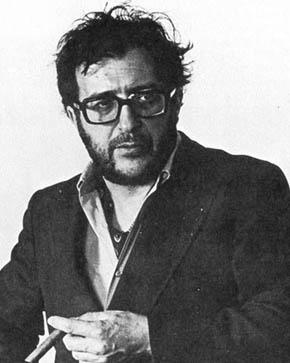
0 sources
Luciano Berio was born on October 24, 1925, in Imperia[1][2][3][4][5][6][7][8][9][10][11][12][13] and died on May 27, 2003, in Rome[1][2][3][4][5][6][8][10][11][12][13]. He held citizenship in Italy and the Kingdom of Italy and identified with atheism.
His professional occupations included classical composer, conductor, pedagogue, music educator, university teacher, and pianist[1]. He was associated with the 20th-century classical music movement. His employers included Harvard University, the Accademia Nazionale di Santa Cecilia, and the Juilliard School[14].
Throughout his career, he received numerous awards, including a Guggenheim Fellowship, the Praemium Imperiale, the Ernst von Siemens Music Prize, the Knight Grand Cross of the Order of Merit of the Italian Republic, Fellow of the American Academy of Arts and Sciences, and the Feltrinelli Prize, among others.
Key Facts
- Place of birth: Oneglia[11]
- Spouse: Cathy Berberian[12]
- Country of citizenship: Italy[13], Kingdom of Italy[14]
- Occupation: pianist[15], musician[16], composer[17], music arranger[18]
- Employer: Harvard University[19], Accademia Nazionale di Santa Cecilia[20], Juilliard School[21]
- Educated at: Milan Conservatory[22]
- Student: Ludovico Einaudi[23]
- Notable work: Sequenza[24], Sinfonia[25]
- Award received: Guggenheim Fellowship[26], Praemium Imperiale[27], Ernst von Siemens Music Prize[28], Knight Grand Cross of the Order of Merit of the Italian Republic[29], Fellow of the American Academy of Arts and Sciences[30], Feltrinelli Prize[31], Wolf Prize in Arts[32], Royal Philharmonic Society Music Awards[33], Gold Medal of the Italian Order of Merit for Culture and Art[34], Royal Philharmonic Society Award (Chamber-Scale Composition)[35], Order of Merit of the Italian Republic[36], Italian Order of Merit for Culture and Art[37]
- Member of: European Academy of Sciences and Arts[38], American Academy of Arts and Sciences[39]
- Religion or worldview: atheism[40]
- Sex or gender: male[41]
- Movement: 20th-century classical music[42]
- Genre: opera[43]
- Record label: Deutsche Grammophon[44]
- Commons category: Luciano Berio[45]
- Family name: Berio[46]
- Given name: Luciano[47]
- Official website: http://www.lucianoberio.org[48]
- Topic's main category: Category:Luciano Berio[49]
- Work location: Rome[50]
- Student of: Luigi Dallapiccola[51]
Why It Matters
Luciano Berio has Wikipedia articles in 24 language editions, a strong signal of global cultural recognition.[52] He is known by 27 alternative names across languages and contexts.[53]
FAQs
Where was Luciano Berio born?
Luciano Berio's place of birth was Imperia[2].
Where did Luciano Berio die?
Luciano Berio passed away in Rome[4].
Who was Luciano Berio married to?
Luciano Berio's spouses include Cathy Berberian[12].
What did Luciano Berio do for work?
Luciano Berio worked as a classical composer[5], conductor[6], pedagogue[7], music educator[8], and university teacher[9].
Where did Luciano Berio go to school?
Luciano Berio was educated at Milan Conservatory[22].
What awards did Luciano Berio receive?
Honors received include Guggenheim Fellowship[26], Praemium Imperiale[27], Ernst von Siemens Music Prize[28], and Knight Grand Cross of the Order of Merit of the Italian Republic[29].