
Lev Vygotsky
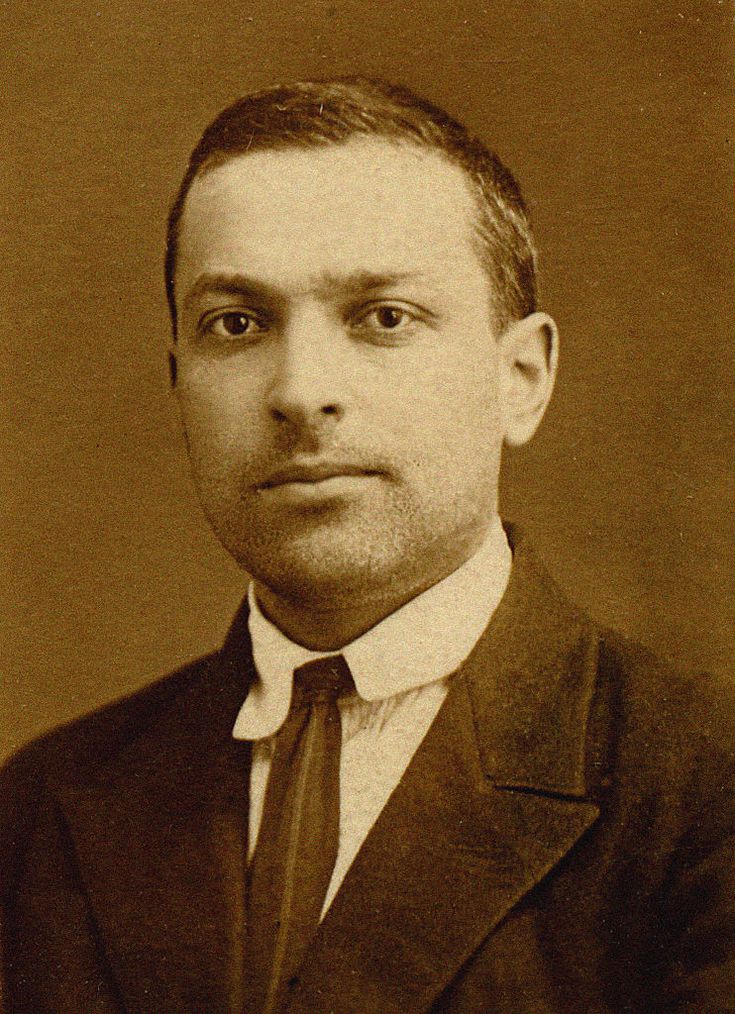
0 sources
Summary
Lev Vygotsky was born on November 17, 1896[1], in Orsha[2]. He died on June 10, 1934[3], in Moscow[4]. He worked as a philosopher[5], psychologist[6], pedagogue[7], non-fiction writer[8], and university teacher[9]. He ranks in the top 0.67% of human entities by monthly Wikipedia readership (16,451 views/month, #6,696 of 1,000,298).[10]
Key Facts
- Date of birth: November 17, 1896[11]
- Date of death: July 11, 1934[12]
- Place of burial: Novodevichy Cemetery[13]
- Spouse: Roza Noevna Vygodskaya[14]
- Country of citizenship: Russian Empire[15], Soviet Union[16]
- Occupation: anthropologist[17]
- Field of work: psychology[18], defectology[19], paedology[20], literary studies[21]
- Employer: Psychological Institute of the Russian Academy of Education[22], Institute of Correctional Pedagogy[23], Krupskaya Academy of Communist Education[24], Second Moscow State University[25], Lomonosov Moscow State University[26]
- Educated at: Lomonosov Moscow State University[27], Moscow City People’s University[28]
- Student: Aleksei N. Leontiev[29], Alexander Luria[30], Alexander Zaporozhets[31], Lidiya Bozhovich[32], Natalia Menchinskaya[33]
- Influenced by: Benedictus de Spinoza[34]
- Sex or gender: male[35]
- Doctoral student: Aleksei N. Leontiev[36], Lidiya Bozhovich[37], Leonid Zankov[38], Natalia Grigorevna Morozova[39], Mariya Pevzner[40], Ivan Solovyov[41], Alexander Zaporozhets[42]
- Commons category: Lev Vygotsky[43]
- Cause of death: tuberculosis[44]
- Given name: Lev[45]
- Topic's main category: Category:Lev Vygotsky[46]
- Relative: Elena Kravtsova[47], David Vygodsky[48]
- Medical condition: tuberculosis[49]
- Manner of death: natural causes[50]
Body
Works and Contributions
Things named for Lev Vygotsky include Vygotsky Circle[51] and Vygotsky Medal[52].
Why It Matters
Lev Vygotsky has Wikipedia articles in 28 language editions, a strong signal of global cultural recognition.[53] He is known by 121 alternative names across languages and contexts.[54]
He has been cited as an influence by Alexander Luria[55], a physician[56], 1902–1977[57], of Soviet Union[58], awarded the Mikhail Lomonosov Award[59], specialised in neuropsychology[60]; Evald Ilyenkov[61], a philosopher[62], 1924–1979[63], of Soviet Union[64], awarded the Order of the Patriotic War, 2nd class[65], specialised in dialectical logic[66]; and Lucien Sève[67], a philosopher[68], 1926–2020[69], of France[70], awarded the Prix de l'Union rationaliste[71], specialised in philosophy[72].
He is credited with the discovery of zone of proximal development[73], a concept[74]. Entities named for him include Vygotsky Circle[51] and Vygotsky Medal[52].
His notable doctoral advisees include Alexander Luria[75], a physician[76], 1902–1977[77], of Soviet Union[78], awarded the Mikhail Lomonosov Award[79], specialised in neuropsychology[80]; Aleksei N. Leontiev[81]; Leonid Zankov[82]; Alexander Zaporozhets[83]; and Natalia Menchinskaya[84].
FAQs
Where was Lev Vygotsky born?
Lev Vygotsky's place of birth was Orsha[2].
Where did Lev Vygotsky die?
Lev Vygotsky passed away in Moscow[4].
Who was Lev Vygotsky married to?
Lev Vygotsky's spouses include Roza Noevna Vygodskaya[14].
What did Lev Vygotsky do for work?
Lev Vygotsky worked as a philosopher[5], psychologist[6], pedagogue[7], non-fiction writer[8], and university teacher[9].
Where did Lev Vygotsky go to school?
Lev Vygotsky was educated at Lomonosov Moscow State University[27] and Moscow City People’s University[28].
Who did Lev Vygotsky influence?
Lev Vygotsky has been cited as an influence by Alexander Luria[55], Evald Ilyenkov[61], and Lucien Sève[67].
What did Lev Vygotsky discover?
Lev Vygotsky is credited as discoverer of zone of proximal development[73].