
Kojiki
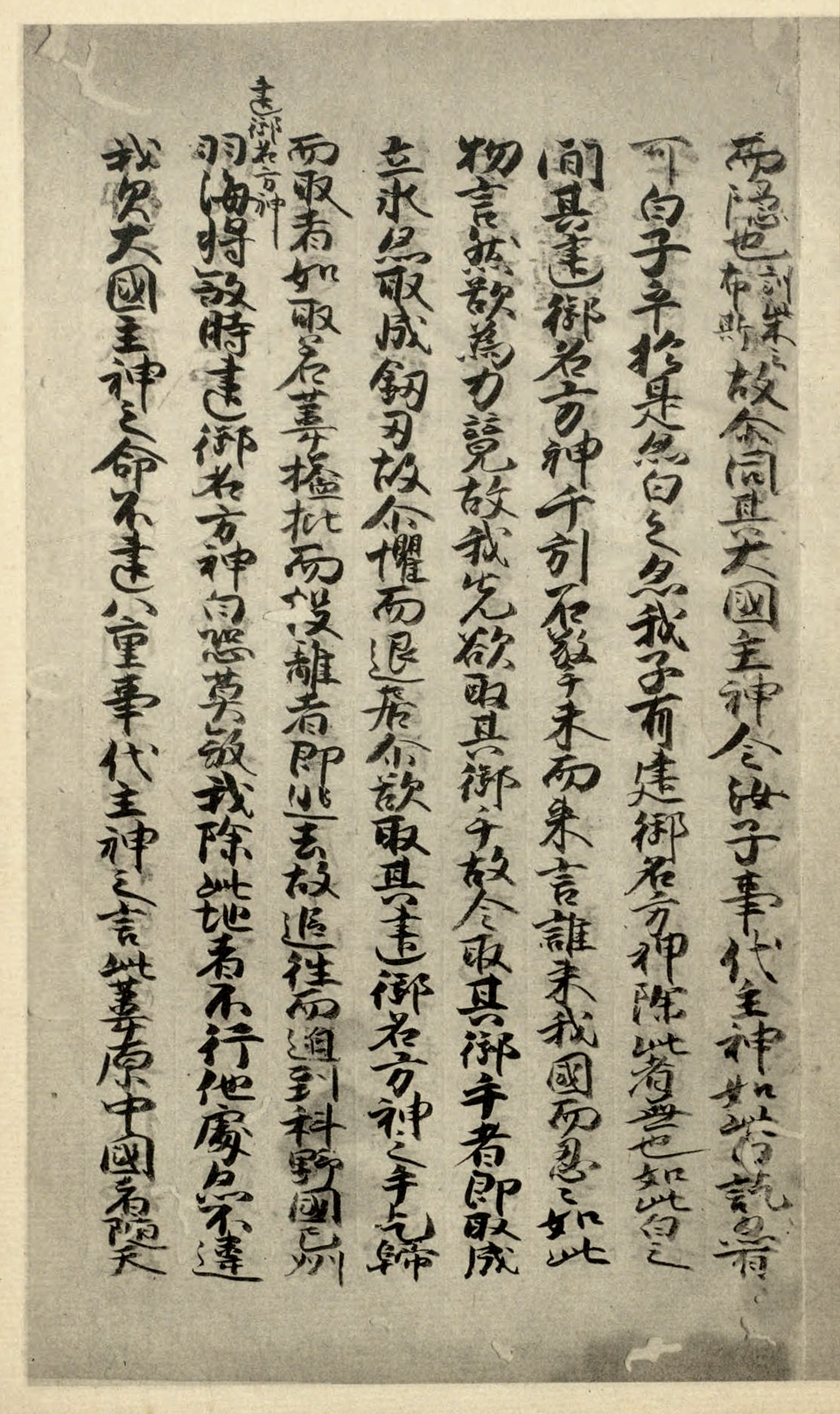
0 sources
Kojiki
Summary
Kojiki is a literary work[1]. Kojiki ranks in the top 2% of literary_work entities by monthly Wikipedia readership (25,388 views/month).[2]
Key Facts
- Kojiki authored Hieda no Are[3].
- Kojiki authored Ō no Yasumaro[4].
- Kojiki's instance of is recorded as literary work[5].
- Kojiki's instance of is recorded as written work[6].
- Kojiki's commissioned by is recorded as Genmei[7].
- Kojiki's genre is history book[8].
- Kojiki's based on is recorded as Teiki[9].
- Kojiki's based on is recorded as Kyūji[10].
- Kojiki's writing system is recorded as kanbun[11].
- Kojiki's writing system is recorded as hentai kanbun[12].
- Kojiki's place of publication is recorded as Japan[13].
- Kojiki is part of Kiki[14].
- Kojiki is part of Japanese mythology[15].
- Kojiki is part of Japanese literature[16].
- Kojiki's Commons category is recorded as Kojiki[17].
- Kojiki's language of work or name is recorded as Japanese[18].
- 712 marks the founding of Kojiki[19].
- Kojiki's has edition or translation is recorded as Shinpuku-ji-bon Kojiki[20].
- Kojiki's has edition or translation is recorded as Kojiki[21].
- Kojiki's has edition or translation is recorded as Q137378248[22].
- Kojiki's has edition or translation is recorded as Q141245711[23].
- Kojiki's topic's main category is recorded as Category:Kojiki[24].
- Kojiki's title is recorded as {'lang': 'lzh', 'text': '古事記'}[25].
- Kojiki's different from is recorded as Kojiki[26].
- Kojiki's studied by is recorded as kokugaku[27].
Body
Authorship and Creation
Authored works include Hieda no Are[3], a historian[28], 0700–0800[29], of Japan[30], specialised in history of Japan[31] and Ō no Yasumaro[4], a writer[32], of Japan[33], specialised in history of Japan[34].
Publication
Kojiki's place of publication is recorded as Japan[13]. Kojiki's language of work or name is recorded as Japanese[18]. Kojiki's genre is history book[8]. Part of include Kiki[14], a group of works[35], in Japan[36]; Japanese mythology[15], a mythology by ethnic group[37]; and Japanese literature[16], a sub-set of literature[38].
Cultural Impact
Things named for Kojiki include Kojiki[39], an album[40].
Why It Matters
Kojiki ranks in the top 2% of literary_work entities by monthly Wikipedia readership (25,388 views/month).[2] Kojiki has Wikipedia articles in 29 language editions, a strong signal of global cultural recognition.[41] Kojiki is known by 36 alternative names across languages and contexts.[42]