
Karl Friedrich Schinkel
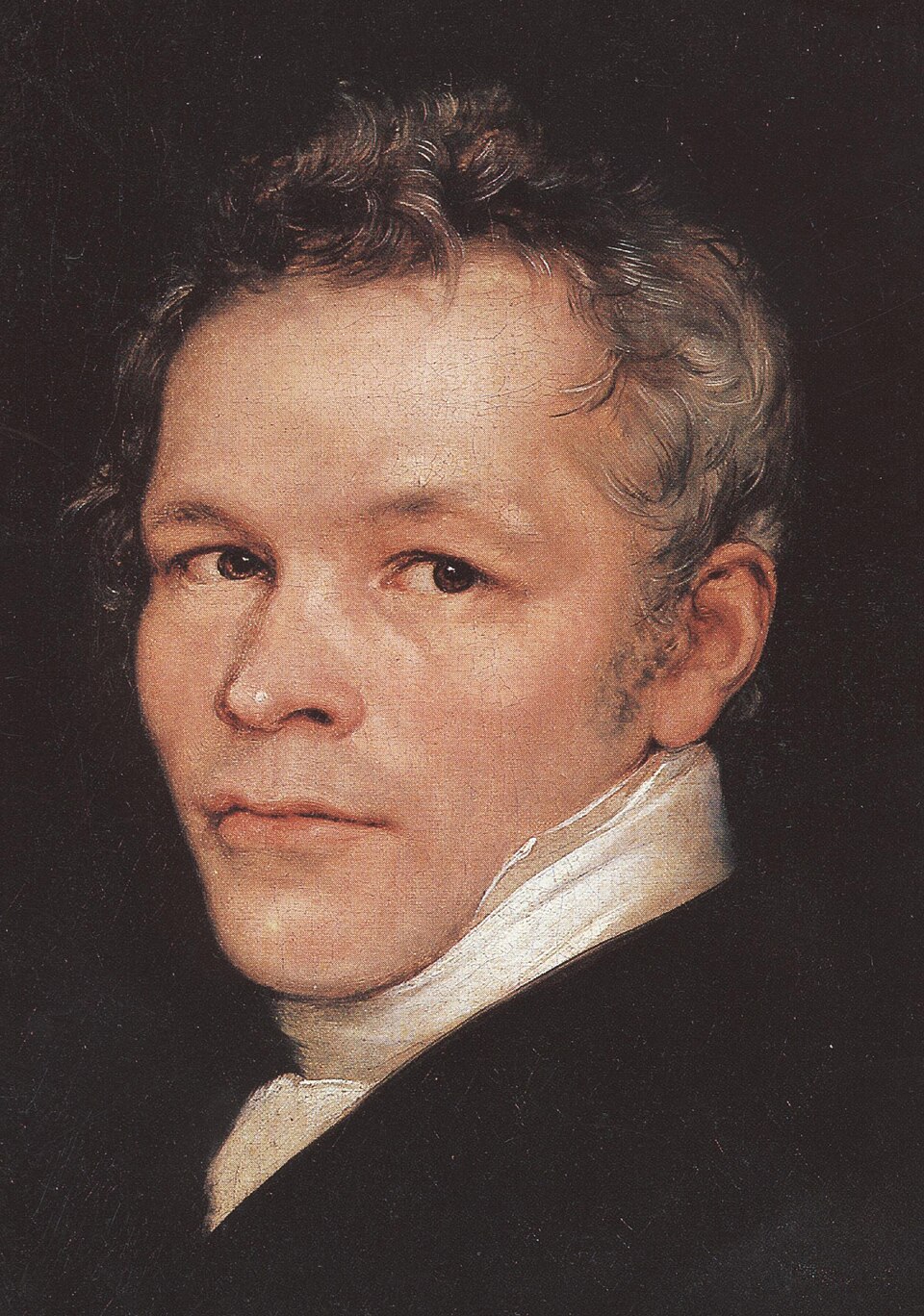
0 sources
Summary
Karl Friedrich Schinkel was born on March 13, 1781[1], in Neuruppin[2]. He died on October 9, 1841[3], in Berlin[4]. He worked as an architect[5], painter[6], urban planner[7], university teacher[8], and general contractor[9]. He ranks in the top 0.72% of human entities by monthly Wikipedia readership (4,332 views/month, #7,171 of 1,000,298).[10]
Key Facts
- Date of birth: January 13, 1781[11]
- Place of burial: Dorotheenstadt Cemetery[12]
- Father: Cuno Christian Schinkel[13]
- Spouse: Susanne Schinkel[14]
- Child: Elisabeth von Wolzogen[15]
- Country of citizenship: Kingdom of Prussia[16]
- Occupation: graphic artist[17], draftsperson[18], designer[19], furniture designer[20], framer[21], theatre designer[22]
- Field of work: architecture[23]
- Educated at: Bauakademie[24], Evangelisches Gymnasium zum Grauen Kloster[25]
- Student: Friedrich Ludwig Persius[26], Ditlev Martens[27], Adolf Lohse[28]
- Notable work: Glienicke Palace[29], Alte Nazarethkirche (Berlin-Wedding)[30], Elisabethkirche, Berlin-Mitte[31], Schlossbrücke[32], Charlottenhof Palace[33], Iron Cross[34], Neuer Pavillon[35], Konzerthaus Berlin[36]
- Award received: Order of the Red Eagle 3rd Class[37], Commander of the Order of the Redeemer[38], Order of the White Falcon[39], Knight Officer of the Order of the Polar Star[40], commander of the Order of the Dannebrog[41], Order of the Red Eagle 2nd Class[42]
- Member of: German Archaeological Institute[43], Accademia di San Luca[44], National Academy of Design[45], Royal Institute of British Architects[46], Academy of Fine Arts Vienna[47], Imperial Academy of Arts[48], Royal Swedish Academy of Fine Arts[49], Prussian Academy of Arts[50], Académie des beaux-arts[51]
- Influenced by: David Gilly[52]
- Sex or gender: male[53]
- Movement: Greek Revival architecture[54]
- Commons category: Karl Friedrich Schinkel[55]
- Archives at: Secret State Archives Prussian Cultural Heritage Foundation[56], Zentralarchiv der Staatlichen Museen zu Berlin[57], Kupferstichkabinett Berlin[58]
- Family name: Schinkel[59]
- Given name: Karl[60], Friedrich[61]
Body
Works and Contributions
Things named for Karl Friedrich Schinkel include Schinkelplatz[62] and 5297 Schinkel[63].
Why It Matters
Karl Friedrich Schinkel has Wikipedia articles in 27 language editions, a strong signal of global cultural recognition.[64] He is known by 51 alternative names across languages and contexts.[65]
Entities named for him include Schinkelplatz[62] and 5297 Schinkel[63].
FAQs
Where was Karl Friedrich Schinkel born?
Karl Friedrich Schinkel was born in Neuruppin[2].
Where did Karl Friedrich Schinkel die?
Karl Friedrich Schinkel died in Berlin[4].
Who were Karl Friedrich Schinkel's parents?
Karl Friedrich Schinkel's father was Cuno Christian Schinkel[13].
Who was Karl Friedrich Schinkel married to?
Karl Friedrich Schinkel's spouses include Susanne Schinkel[14].
What did Karl Friedrich Schinkel do for work?
Karl Friedrich Schinkel worked as an architect[5], painter[6], urban planner[7], university teacher[8], and general contractor[9].
Where did Karl Friedrich Schinkel go to school?
Karl Friedrich Schinkel was educated at Bauakademie[24] and Evangelisches Gymnasium zum Grauen Kloster[25].
What awards did Karl Friedrich Schinkel receive?
Honors received include Order of the Red Eagle 3rd Class[37], Commander of the Order of the Redeemer[38], Order of the White Falcon[39], and Knight Officer of the Order of the Polar Star[40].