
Kōno Bairei
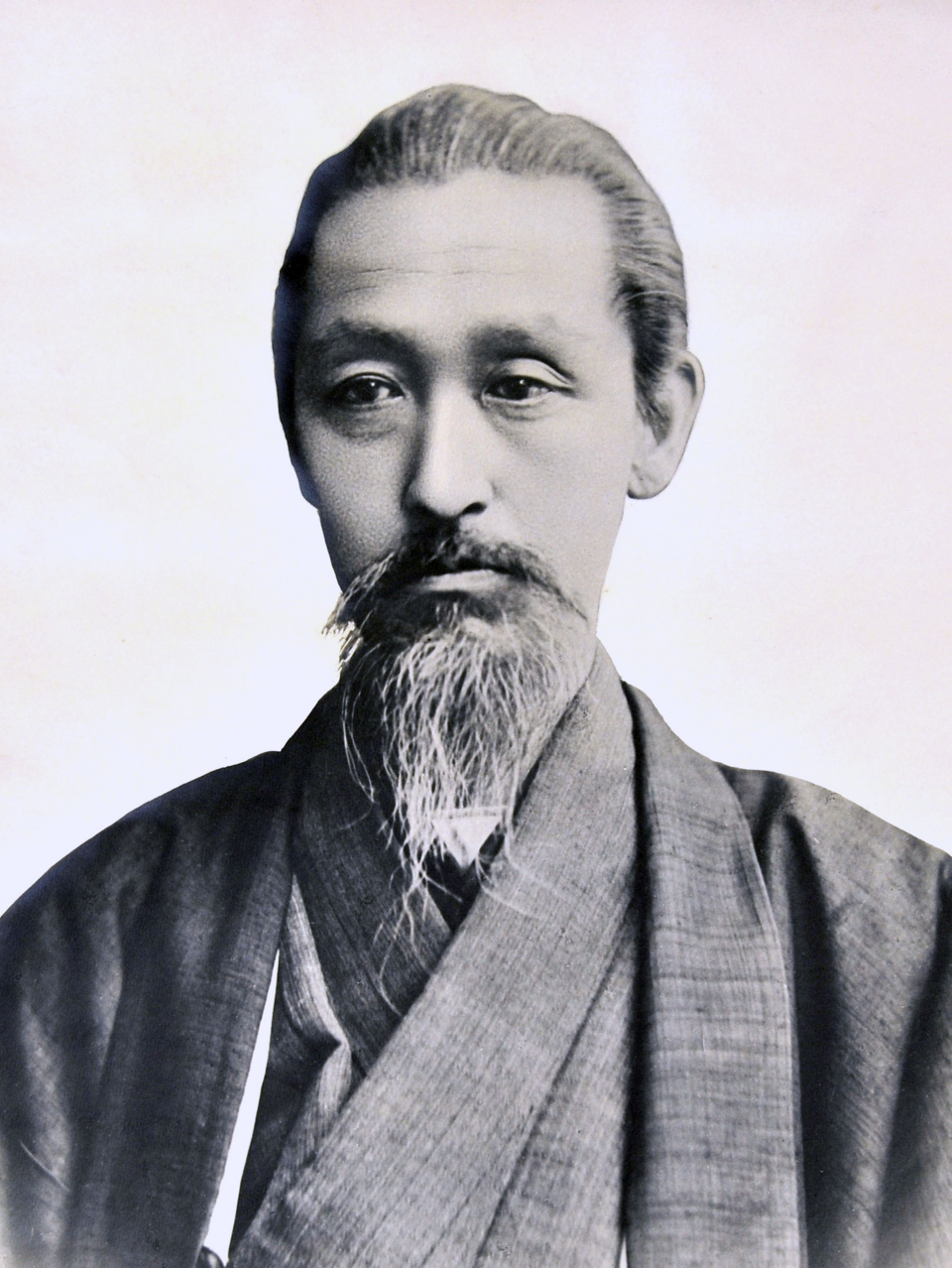
0 sources
Kōno Bairei
Summary
Kōno Bairei is a human[1]. Born in Kyoto[2], he… he was born on April 20, 1844[3]. He passed away in Q11355731[4]. He died on February 2, 1895[5]. He worked as an ukiyo-e artist[6], illustrator[7], and painter[8]. He ranks in the top 0.73% of human entities by monthly Wikipedia readership (41 views/month, #7,281 of 1,000,298).[9]
Key Facts
- Kōno Bairei was born in Kyoto[2].
- Kōno Bairei died in Q11355731[4].
- Kōno Bairei was born on April 20, 1844[3].
- Kōno Bairei died on February 2, 1895[5].
- Kōno Bairei is buried at Myōren-ji Temple[10].
- Kōno Bairei held citizenship in Japan[11].
- Kōno Bairei worked as an ukiyo-e artist[6].
- Kōno Bairei's professions included illustrator[7].
- Kōno Bairei worked as a painter[8].
- Kōno Bairei's field of work was visual arts[12].
- Kōno Bairei held the position of Imperial Household Artist[13].
- Among Kōno Bairei's employers was Kyoto City University of Arts[14].
- A notable student of Kōno Bairei was Hobun Kikuchi[15].
- A notable student of Kōno Bairei was Kōkyō Taniguchi[16].
- A notable student of Kōno Bairei was Takeuchi Seihō[17].
- A notable student of Kōno Bairei was Kawai Gyokudō[18].
- A notable student of Kōno Bairei was Q275018[19].
- A notable student of Kōno Bairei was Kiyomizu Rokuwa[20].
- Kōno Bairei was a member of Maruyama school[21].
- Kōno Bairei was a member of Shijō school[22].
- Kōno Bairei is recorded as male[23].
- Kōno Bairei's instance of is recorded as human[24].
- Kōno Bairei is associated with the ukiyo-e movement[25].
- Kōno Bairei is associated with the Nihonga movement[26].
- Kōno Bairei's genre is bird-and-flower painting[27].
Body
Origins and Family
Kōno Bairei's place of birth was Kyoto[2]. He was born on April 20, 1844[3].
Education
Studied under Nakajima Raishō[28], a painter[29], 1796–1871[30], of Japan[31]; Shiokawa Bunrin[32], a painter[33], 1808–1877[34], of Tokugawa shogunate[35]; Kōyama Hōyō[36], a calligrapher[37], 1824–1889[38], of Japan[39]; Kōseki Nakanishi[40], a painter[41], 1807–1884[42], of Japan[43]; and Maeda Handen[44], a painter[45], 1817–1878[46], of Japan[47].
Career and Affiliations
Recorded occupations include ukiyo-e artist[6], illustrator[7], and painter[8]. Kōno Bairei's field of work was visual arts[12]. Among his employers was Kyoto City University of Arts[14]. He held the position of Imperial Household Artist[13]. Notable students include Hobun Kikuchi[15], a painter[48], 1862–1918[49], of Japan[50]; Kōkyō Taniguchi[16], 1864–1915[51], of Empire of Japan[52]; Takeuchi Seihō[17], a painter[53], 1864–1942[54], of Japan[55], awarded the Order of Culture[56], specialised in painting[57]; Kawai Gyokudō[18], a painter[58], 1873–1957[59], of Japan[60], awarded the Order of Culture[61], specialised in painting[62]; Q275018[19], a Nihonga painter[63], 1875–1949[64], of Japan[65], awarded the Order of Culture[66], specialised in painting[67]; and Kiyomizu Rokuwa[20], a potter[68], 1875–1959[69], of Japan[70].
Death and Burial
Kōno Bairei died on February 2, 1895[5]. He passed away in Q11355731[4]. He is buried at Myōren-ji Temple[10].
Why It Matters
Kōno Bairei ranks in the top 0.73% of human entities by monthly Wikipedia readership (41 views/month, #7,281 of 1,000,298).[9] He has Wikipedia articles in 8 language editions, a strong signal of global cultural recognition.[71] He is known by 40 alternative names across languages and contexts.[72]
FAQs
Where was Kōno Bairei born?
Born in Kyoto[2], Kōno Bairei…
Where did Kōno Bairei die?
Kōno Bairei passed away in Q11355731[4].
What did Kōno Bairei do for work?
Kōno Bairei worked as ukiyo-e artist[6], illustrator[7], and painter[8].