
Joseph Priestley
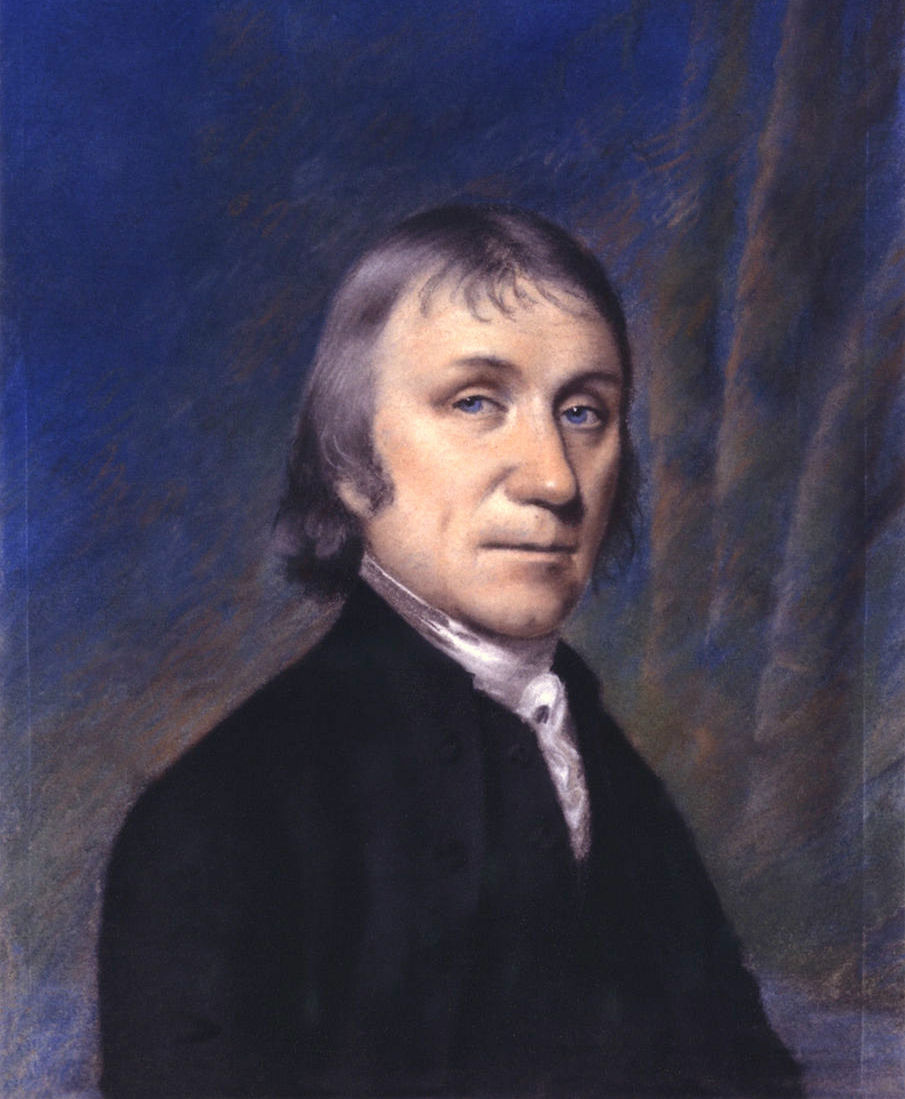
0 sources
Summary
Joseph Priestley was born on March 13, 1733[1], in Birstall[2]. He died on February 6, 1804[3], in Northumberland[4]. He worked as a philosopher[5], theologian[6], chemist[7], educator[8], and political theorist[9]. He ranks in the top 0.67% of human entities by monthly Wikipedia readership (3,465 views/month, #6,742 of 1,000,298).[10]
Key Facts
- Date of birth: March 24, 1733[11]
- Place of burial: Riverview Cemetery[12]
- Father: Jonas Priestley[13]
- Mother: Mary Wells[14]
- Spouse: Mary Priestley[15]
- Child: Henry Priestley[16], Joseph Priestley[17], William Priestley[18], Sarah Priestley[19]
- Country of citizenship: United Kingdom of Great Britain and Ireland[20], United Kingdom[21]
- Occupation: dilettante[22], librarian[23], teacher[24], historian of science[25], physicist[26], politician[27], inventor[28], writer[29], Christian minister[30], linguist[31], naturalist[32], abolitionist[33]
- Field of work: philosophy[34], chemistry[35], pastoral care[36], natural philosophy[37], education[38], Protestant theology[39], Unitarianism[40], linguistics[41]
- Position held: member of the French National Assembly[42]
- Educated at: Batley Grammar School[43]
- Award received: Fellow of the Royal Society[44], Copley Medal[45], Fellow of the American Academy of Arts and Sciences[46]
- Member of: Royal Society[47], Royal Swedish Academy of Sciences[48], Saint Petersburg Academy of Sciences[49], American Academy of Arts and Sciences[50], American Philosophical Society[51], Accademia Nazionale delle Scienze detta dei XL[52], Leeds Library[53], Academy of Sciences of Turin[54], Lunar Society of Birmingham[55]
- Religion or worldview: Christianity[56]
- Influenced by: Jeremy Bentham Rollweiser[57], John Amos Comenius[58]
- Sex or gender: male[59]
- Commons category: Joseph Priestley[60]
- Residence: England[61]
- Family name: Priestley[62]
- Given name: Joseph[63]
Body
Works and Contributions
Things named for Joseph Priestley include Priestley Medal[64], a science award[65], in United States[66], founded in 1922[67]; 5577 Priestley[68]; and Priestley[69].
Why It Matters
Joseph Priestley has Wikipedia articles in 29 language editions, a strong signal of global cultural recognition.[70] He is known by 36 alternative names across languages and contexts.[71]
He has been cited as an influence by Arthur Aikin[72], a chemist[73], 1773–1854[74], of United Kingdom of Great Britain and Ireland[75], awarded the Fellow of the Linnean Society of London[76].
He is credited with the discovery of oxygen[77], a chemical element[78]; ammonia[79], a type of chemical entity[80]; and carbon dioxide[81], a type of chemical entity[82]. Works attributed to him include Experiments and Observations on Different Kinds of Air[83], a written work[84], founded in 1774[85] and Institutes of Natural and Revealed Religion[86], a written work[87]. Entities named for him include Priestley Medal[64], a science award[65], in United States[66], founded in 1922[67]; 5577 Priestley[68]; and Priestley[69].
FAQs
Where was Joseph Priestley born?
Joseph Priestley's place of birth was Birstall[2].
Where did Joseph Priestley die?
Joseph Priestley died in Northumberland[4].
Who were Joseph Priestley's parents?
Joseph Priestley's father was Jonas Priestley[13]. Joseph Priestley's mother was Mary Wells[14].
Who was Joseph Priestley married to?
Joseph Priestley's spouses include Mary Priestley[15].
What did Joseph Priestley do for work?
Joseph Priestley worked as a philosopher[5], theologian[6], chemist[7], educator[8], and political theorist[9].
Where did Joseph Priestley go to school?
Joseph Priestley was educated at Batley Grammar School[43].
What awards did Joseph Priestley receive?
Honors received include Fellow of the Royal Society[44], Copley Medal[45], and Fellow of the American Academy of Arts and Sciences[46].
Who did Joseph Priestley influence?
Joseph Priestley has been cited as an influence by Arthur Aikin[72].
What did Joseph Priestley discover?
Joseph Priestley is credited as discoverer of oxygen[77], ammonia[79], and carbon dioxide[81].