
Jan Ingenhousz
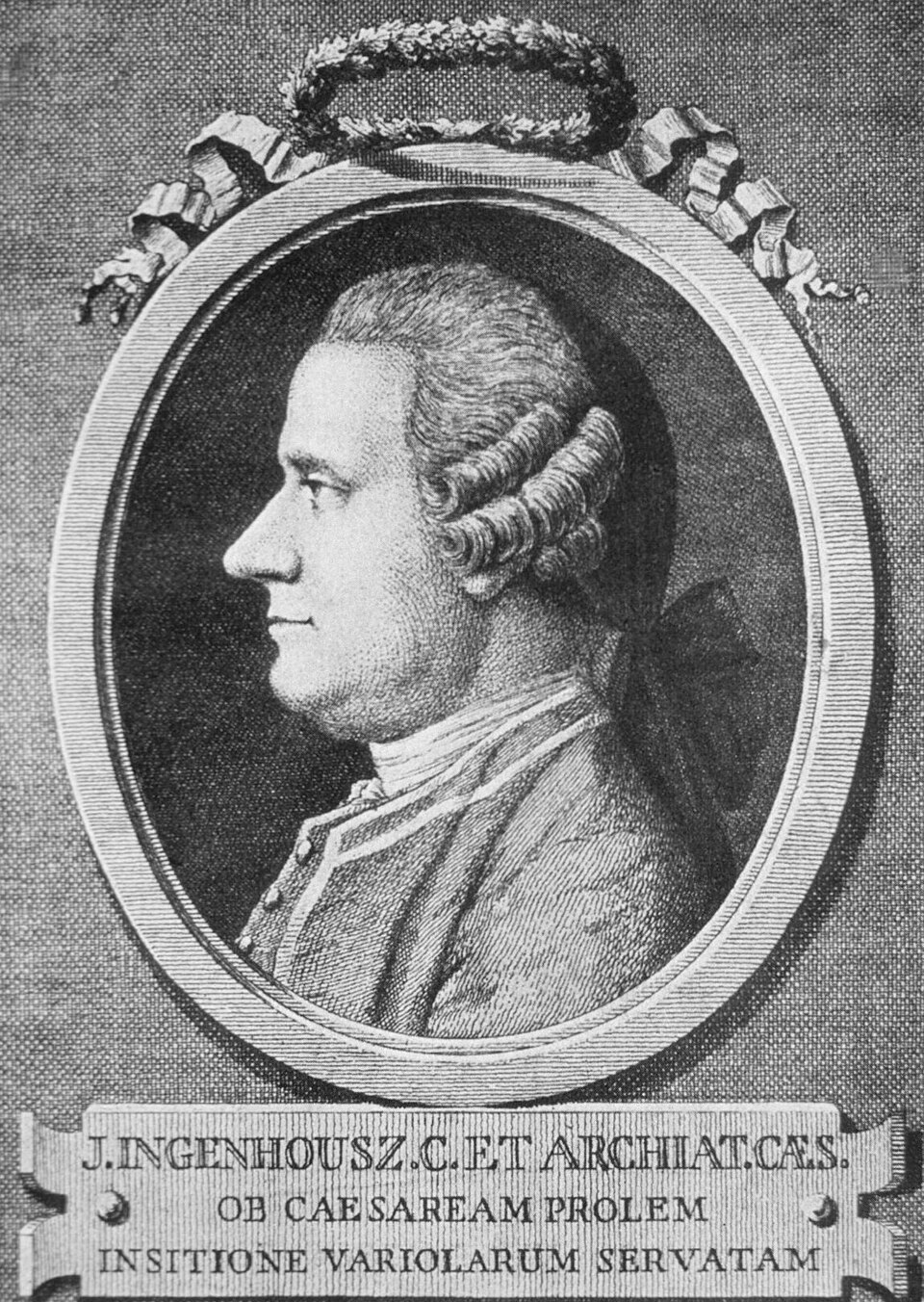
0 sources
Summary
Jan Ingenhousz was born on December 8, 1730[1], in Breda[2]. He died on September 7, 1799[3], in Bowood House[4]. He worked as a botanist[5], physician[6], physicist[7], physiologist[8], and chemist[9]. He ranks in the top 0.73% of human entities by monthly Wikipedia readership (567 views/month, #7,255 of 1,000,298).[10]
Key Facts
- Date of birth: January 1, 1730[11]
- Country of citizenship: Dutch Republic[12], Batavian Republic[13]
- Occupation: naturalist[14]
- Educated at: Leiden University[15], UCLouvain[16], Old University of Leuven[17]
- Award received: Fellow of the Royal Society[18], Royal Society Bakerian Medal[19]
- Member of: Royal Society[20], American Philosophical Society[21]
- Influenced by: Pieter van Musschenbroek[22]
- Sex or gender: male[23]
- Doctoral student: Han (Henricus) Eduard Hubertus Meijer[24]
- Commons category: Jan Ingenhousz[25]
- Residence: Breda[26]
- Given name: Jan[27]
- Described by source: Nordisk familjebok[28], Dictionary of National Biography, 1885–1900[29], Brockhaus and Efron Encyclopedic Dictionary[30], Biographisches Lexikon des Kaiserthums Oesterreich[31], Biographisch-literarisches Handwörterbuch zur Geschichte der exacten Wissenschaften[32], Nouvelle Biographie Générale[33], Granat Encyclopedic Dictionary[34]
- Languages spoken, written or signed: English[35]
- Commons Creator page: Jan Ingenhousz[36]
Why It Matters
Jan Ingenhousz has Wikipedia articles in 23 language editions, a strong signal of global cultural recognition.[37] He is known by 42 alternative names across languages and contexts.[38]
FAQs
Where was Jan Ingenhousz born?
Jan Ingenhousz was born in Breda[2].
Where did Jan Ingenhousz die?
Jan Ingenhousz died in Bowood House[4].
What did Jan Ingenhousz do for work?
Jan Ingenhousz worked as a botanist[5], physician[6], physicist[7], physiologist[8], and chemist[9].
Where did Jan Ingenhousz go to school?
Jan Ingenhousz was educated at Leiden University[15], UCLouvain[16], and Old University of Leuven[17].
What awards did Jan Ingenhousz receive?
Honors received include Fellow of the Royal Society[18] and Royal Society Bakerian Medal[19].