
Ibn Kathir
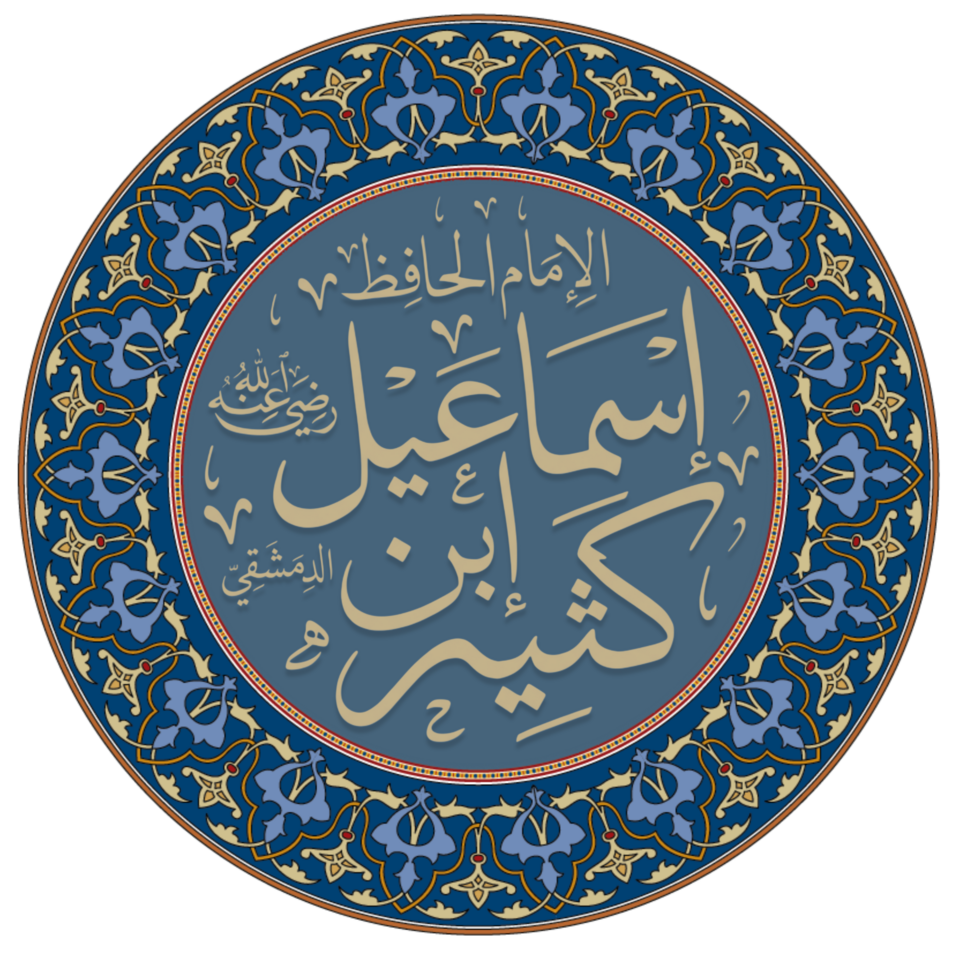
0 sources
Summary
Ibn Kathir was born on 1301[1] in Bosra[2]. He died on 1373[3] in Damascus[4]. He worked as a muhaddith[5], Islamic jurist[6], mufassir[7], historian[8], and exegete[9]. He ranks in the top 0.69% of human entities by monthly Wikipedia readership (1,856 views/month, #6,930 of 1,000,298).[10]
Key Facts
- Place of birth: Daraa[11]
- Date of death: 1373[12]
- Place of burial: Sufism cemetery[13]
- Native language: Arabic[14]
- Field of work: history of Islam[15], science of hadith[16], tafsir[17], fiqh[18]
- Employer: المدرسة النجيبية (بغداد)[19], Tankiziyya[20], Nur al-Din Madrasa[21], Dar al-Hadith al-Ashrafiyya[22], al-Salihiyya[23]
- Notable work: Tafsīr Ibn Kathīr[24], Al-Bidaya wa'l-Nihaya[25], Q115287576[26], جامع السنن والمسانيد لابن كثير[27], Al-Sira Al-Nabawiyya[28], Stories of the Prophets[29], Ṭabaqāt al-Shāfiʻīyīn[30]
- Religion or worldview: Islam[31]
- Sex or gender: male[32]
- Commons category: Ibn Kathir[33]
- Honorific prefix: Al-Imam[34], al-Hafidh[35]
- Given name: Ismail[36]
- Topic's main category: Category:Ibn Kathir[37]
- Honorific suffix: rahimahullah[38]
- Relative: Yusuf ibn Abd al-Rahman al-Mizzi[39]
- Student of: Ibn Taymiyyah[40], Al-Dhahabi[41], Ibn Qayyim al-Jawziyya[42], Yusuf ibn Abd al-Rahman al-Mizzi[43], al-Dimyāṭī[44]
- Described by source: Islamskiy entsiklopedicheskiy slovar'[45]
- Languages spoken, written or signed: Arabic[46]
- Nickname: ابن كثير الدمشقي[47], عماد الدين[48], أبو الفداء[49]
- Name in native language: إسماعيل بن عُمر بن كثير بن ضَوْ بن درع القرشي الحَصْلي البُصروي الدمشقي الشافعي[50]
- Different from: Ibn Kathir al-Makki[51]
- On focus list of Wikimedia project: Wikiproject:Islamic Courts & Canons[52]
Why It Matters
Ibn Kathir has Wikipedia articles in 21 language editions, a strong signal of global cultural recognition.[53] He is known by 49 alternative names across languages and contexts.[54]
Works attributed to him include Tafsīr Ibn Kathīr[55], a written work[56]; Al-Bidaya wa'l-Nihaya[57], a written work[58]; and Al-Sira Al-Nabawiyya[59], a written work[60].
FAQs
Where was Ibn Kathir born?
Ibn Kathir's place of birth was Bosra[2].
Where did Ibn Kathir die?
Ibn Kathir passed away in Damascus[4].
What did Ibn Kathir do for work?
Ibn Kathir worked as a muhaddith[5], Islamic jurist[6], mufassir[7], historian[8], and exegete[9].