
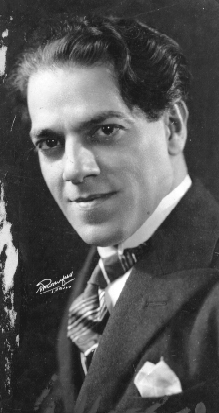
Heitor Villa-Lobos
0 sources
Summary
Heitor Villa-Lobos was born on March 5, 1887[1], in Rio de Janeiro[2]. He died on November 17, 1959[3], in Rio de Janeiro[4]. He worked as a composer[5], choreographer[6], conductor[7], musicologist[8], and secondary school teacher[9]. He ranks in the top 0.71% of human entities by monthly Wikipedia readership (5,339 views/month, #7,058 of 1,000,298).[10]
Key Facts
- Place of burial: Cemitério de São João Batista[11]
- Father: Raul Villa-Lobos[12]
- Spouse: Arminda Villa-Lobos[13]
- Country of citizenship: Brazil[14]
- Occupation: classical guitarist[15], pianist[16], guitarist[17], cellist[18]
- Field of work: music[19], classical music[20], guitar[21]
- Notable work: String Quartet No. 14[22], Chôros No. 1[23], String Quartet No. 3[24], Bachianas Brasileiras[25]
- Award received: honorary doctor of the University of Miami[26], Commander of the Legion of Honour[27], Livro dos Heróis e Heroínas da Pátria[28]
- Member of: National Academy of Fine Arts (Argentina)[29], Academia Brasileira de Música[30]
- Sex or gender: male[31]
- Genre: opera[32], symphony[33]
- Commons category: Heitor Villa-Lobos[34]
- Family name: Villa[35], Lobos[36]
- Given name: Heitor[37]
- Topic's main category: Category:Heitor Villa-Lobos[38]
- Instrument: guitar[39]
- Described by source: Armenian Soviet Encyclopedia, vol. 11[40], Brief Biographical Dictionary of Foreign Composers[41]
- Languages spoken, written or signed: Portuguese[42]
- List of works: list of compositions by Heitor Villa-Lobos[43]
- Commons Creator page: Heitor Villa-Lobos[44]
- Birth name: Heitor Villa-Lobos[45]
Body
Works and Contributions
Things named for Heitor Villa-Lobos include Villa-Lobos[46], an impact crater[47].
Why It Matters
Heitor Villa-Lobos has Wikipedia articles in 27 language editions, a strong signal of global cultural recognition.[48] He is known by 66 alternative names across languages and contexts.[49]
He has been cited as an influence by Egberto Gismonti[50], a composer[51], b. 1947[52], of Brazil[53], awarded the Order of Cultural Merit (Brazil)[54], specialised in music[55] and Larysa Moro-Borushenko[56], a pianist[57], b. 1944[58], of Brazil[59].
Entities named for him include Villa-Lobos[46], an impact crater[47].
FAQs
Where was Heitor Villa-Lobos born?
Heitor Villa-Lobos was born in Rio de Janeiro[2].
Where did Heitor Villa-Lobos die?
Heitor Villa-Lobos passed away in Rio de Janeiro[4].
Who were Heitor Villa-Lobos's parents?
Heitor Villa-Lobos's father was Raul Villa-Lobos[12].
Who was Heitor Villa-Lobos married to?
Heitor Villa-Lobos's spouses include Arminda Villa-Lobos[13].
What did Heitor Villa-Lobos do for work?
Heitor Villa-Lobos worked as a composer[5], choreographer[6], conductor[7], musicologist[8], and secondary school teacher[9].
What awards did Heitor Villa-Lobos receive?
Honors received include honorary doctor of the University of Miami[26], Commander of the Legion of Honour[27], and Livro dos Heróis e Heroínas da Pátria[28].
Who did Heitor Villa-Lobos influence?
Heitor Villa-Lobos has been cited as an influence by Egberto Gismonti[50] and Larysa Moro-Borushenko[56].