
Gustav Friedrich Waagen
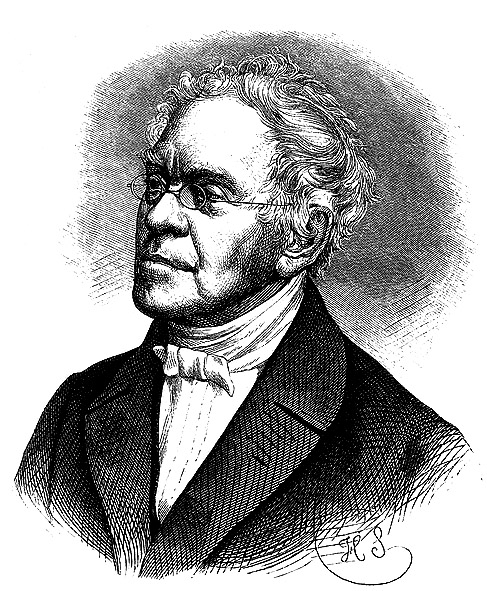
0 sources
Summary
Gustav Friedrich Waagen is a human[1]. He was born in Hamburg[2]. He was born on February 11, 1794[3]. He died in Copenhagen[4]. He died on July 15, 1868[5]. He worked as an art historian[6], university teacher[7], teacher[8], and writer[9]. He has Wikipedia articles in 11 language editions, a strong signal of global cultural recognition.[10]
Key Facts
- Gustav Friedrich Waagen's place of birth was Hamburg[2].
- Gustav Friedrich Waagen passed away in Copenhagen[4].
- Gustav Friedrich Waagen was born on February 11, 1794[3].
- Gustav Friedrich Waagen died on July 15, 1868[5].
- Gustav Friedrich Waagen's father was Friedrich Ludwig Heinrich Waagen[11].
- Gustav Friedrich Waagen held citizenship in Free imperial city of Hamburg[12].
- Gustav Friedrich Waagen worked as an art historian[6].
- Gustav Friedrich Waagen's professions included university teacher[7].
- Gustav Friedrich Waagen worked as a teacher[8].
- Gustav Friedrich Waagen's professions included writer[9].
- Among Gustav Friedrich Waagen's employers was Frederick William University Berlin[13].
- Gustav Friedrich Waagen's education included a stint at University of Wrocław[14].
- A notable work attributed to Gustav Friedrich Waagen is The Treasures of Art in Great Britain[15].
- A notable work attributed to Gustav Friedrich Waagen is Die Gemäldesammlung in der kaiserlichen Ermitage zu St.Petersburg[16].
- Gustav Friedrich Waagen received the Gold medal of the Royal proof of gratitude[17].
- Gustav Friedrich Waagen was a member of Bavarian Academy of Sciences and Humanities[18].
- Gustav Friedrich Waagen was a member of Royal Netherlands Academy of Arts and Sciences[19].
- Gustav Friedrich Waagen was a member of Accademia delle Arti del Disegno[20].
- Gustav Friedrich Waagen is recorded as male[21].
- Gustav Friedrich Waagen's instance of is recorded as human[22].
- Gustav Friedrich Waagen's Commons category is recorded as Gustav Friedrich Waagen[23].
- Gustav Friedrich Waagen's family name is recorded as Waagen[24].
- Gustav Friedrich Waagen's given name is recorded as Gustav[25].
- Gustav Friedrich Waagen's given name is recorded as Friedrich[26].
- Gustav Friedrich Waagen's work location is recorded as Berlin[27].
Body
Origins and Family
Gustav Friedrich Waagen's place of birth was Hamburg[2]. He was born on February 11, 1794[3]. His father was Friedrich Ludwig Heinrich Waagen[11].
Education
Gustav Friedrich Waagen's education included a stint at University of Wrocław[14].
Career and Affiliations
Recorded occupations include art historian[6], university teacher[7], teacher[8], and writer[9]. Among Gustav Friedrich Waagen's employers was Frederick William University Berlin[13].
Works and Contributions
Notable works include The Treasures of Art in Great Britain[15] and Die Gemäldesammlung in der kaiserlichen Ermitage zu St.Petersburg[16].
Recognition
Gustav Friedrich Waagen received the Gold medal of the Royal proof of gratitude[17].
Death and Burial
Gustav Friedrich Waagen died on July 15, 1868[5]. He passed away in Copenhagen[4].
Why It Matters
Gustav Friedrich Waagen has Wikipedia articles in 11 language editions, a strong signal of global cultural recognition.[10] He is known by 15 alternative names across languages and contexts.[28]
FAQs
Where was Gustav Friedrich Waagen born?
Gustav Friedrich Waagen was born in Hamburg[2].
Where did Gustav Friedrich Waagen die?
Gustav Friedrich Waagen passed away in Copenhagen[4].
Who were Gustav Friedrich Waagen's parents?
Gustav Friedrich Waagen's father was Friedrich Ludwig Heinrich Waagen[11].
What did Gustav Friedrich Waagen do for work?
Gustav Friedrich Waagen worked as art historian[6], university teacher[7], teacher[8], and writer[9].
Where did Gustav Friedrich Waagen go to school?
Gustav Friedrich Waagen was educated at University of Wrocław[14].
What awards did Gustav Friedrich Waagen receive?
Honors received include Gold medal of the Royal proof of gratitude[17].