
Go-Horikawa
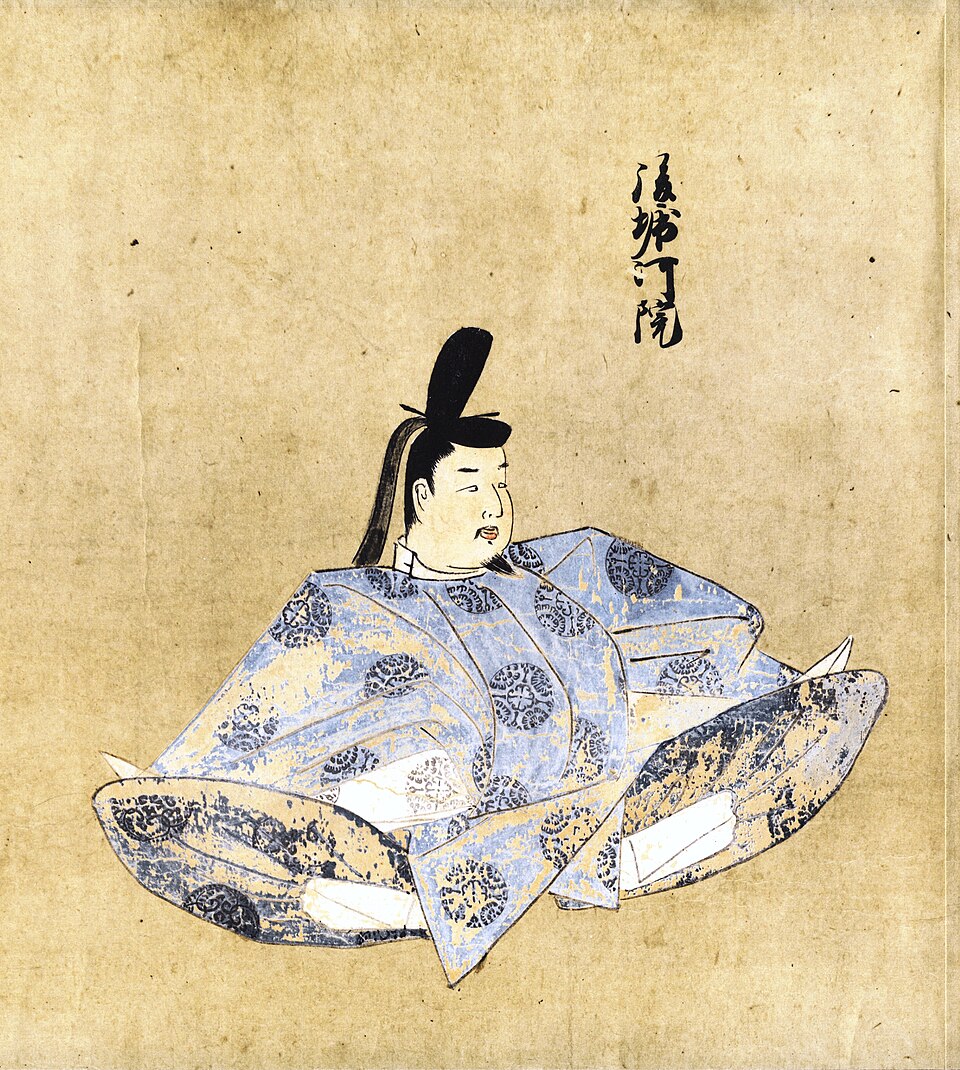
0 sources
Summary
Go-Horikawa is a human[1]. He was born on March 22, 1212[2]. He died on August 31, 1234[3]. He worked as a sovereign[4]. He ranks in the top 0.72% of human entities by monthly Wikipedia readership (473 views/month, #7,213 of 1,000,298).[5]
Key Facts
- Go-Horikawa was born on March 22, 1212[2].
- Go-Horikawa died on August 31, 1234[3].
- Go-Horikawa is buried at Sennyū-ji Temple[6].
- Go-Horikawa's father was Morisada-shinnō[7].
- Go-Horikawa's mother was Jimyōin Chinshi[8].
- Among Go-Horikawa's spouses was Fujiwara no Ariko[9].
- Among Go-Horikawa's spouses was Konoe Nagako[10].
- Go-Horikawa was married to Fujiwara no Shunshi[11].
- Among Go-Horikawa's spouses was Q106558820[12].
- Among Go-Horikawa's spouses was Q109332466[13].
- Among Go-Horikawa's spouses was Fujiwara no Chōshi[14].
- A child of Go-Horikawa was Emperor Shijō[15].
- A child of Go-Horikawa was Akiko-naishinnō[16].
- A child of Go-Horikawa was Taishi Naishin'nō[17].
- A child of Go-Horikawa was Kishinaishin'nō[18].
- Go-Horikawa held citizenship in Japan[19].
- Go-Horikawa worked as a sovereign[4].
- Go-Horikawa held the position of Emperor of Japan[20].
- Go-Horikawa is recorded as male[21].
- Go-Horikawa's instance of is recorded as human[22].
- Go-Horikawa's family is recorded as Imperial House of Japan[23].
- Go-Horikawa's Commons category is recorded as Emperor Go-Horikawa[24].
- Go-Horikawa's languages spoken, written or signed is recorded as Japanese[25].
- Go-Horikawa's name in native language is recorded as {'lang': 'ja', 'text': '後堀河天皇'}[26].
- Go-Horikawa's name in kana is recorded as ごほりかわてんのう[27].
Body
Origins and Family
Go-Horikawa was born on March 22, 1212[2]. His father was Morisada-shinnō[7]. His mother was Jimyōin Chinshi[8].
Career and Affiliations
Go-Horikawa worked as a sovereign[4]. He held the position of Emperor of Japan[20].
Personal Life
Spouses include Fujiwara no Ariko[9], an empress consort[28], 1207–1286[29], of Japan[30]; Konoe Nagako[10], 1218–1275[31]; Fujiwara no Shunshi[11], an empress consort[32], 1209–1233[33], of Japan[34]; Q106558820[12]; Q109332466[13]; and Fujiwara no Chōshi[14], 1218–1275[35], of Japan[36]. Children include Emperor Shijō[15], a sovereign[37], 1231–1242[38], of Japan[39]; Akiko-naishinnō[16], 1231–1246[40]; Taishi Naishin'nō[17], 1231–1302[41], of Japan[42]; and Kishinaishin'nō[18], 1228–1300[43], of Japan[44].
Death and Burial
Go-Horikawa died on August 31, 1234[3]. He is buried at Sennyū-ji Temple[6].
Why It Matters
Go-Horikawa ranks in the top 0.72% of human entities by monthly Wikipedia readership (473 views/month, #7,213 of 1,000,298).[5] He has Wikipedia articles in 20 language editions, a strong signal of global cultural recognition.[45] He is known by 24 alternative names across languages and contexts.[46]
FAQs
Who were Go-Horikawa's parents?
Go-Horikawa's father was Morisada-shinnō[7]. Go-Horikawa's mother was Jimyōin Chinshi[8].
Who was Go-Horikawa married to?
Go-Horikawa's spouses include Fujiwara no Ariko[9], Konoe Nagako[10], Fujiwara no Shunshi[11], and Q106558820[12].
What did Go-Horikawa do for work?
Go-Horikawa worked as sovereign[4].