
Friedrich Heer
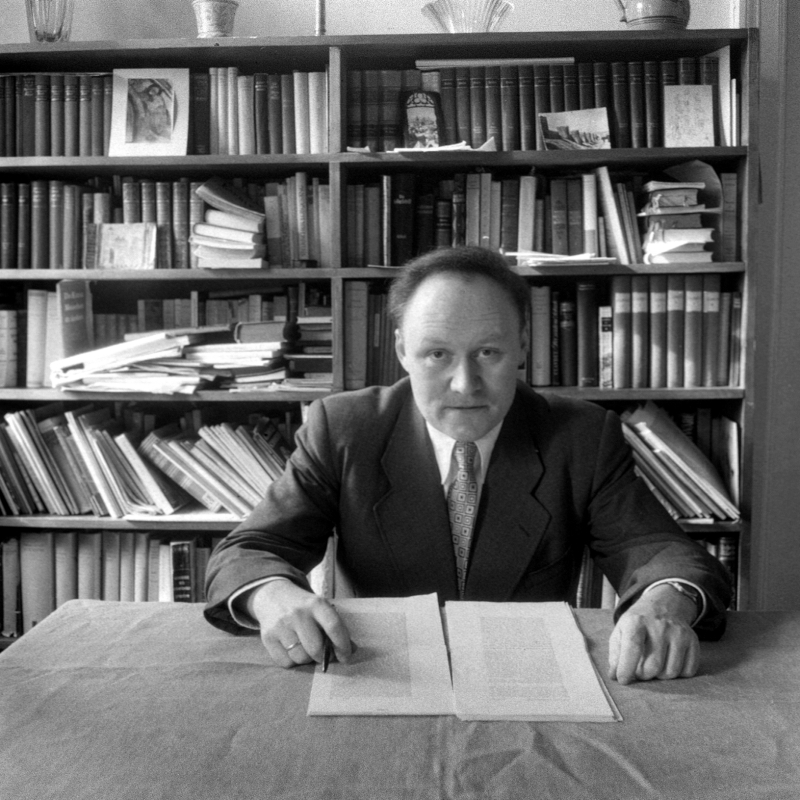
0 sources
Friedrich Heer
Summary
Friedrich Heer is a human[1]. His place of birth was Vienna[2]. He was born on April 10, 1916[3]. He died in Vienna[4]. He died on September 18, 1983[5]. He worked as a cultural historian[6], historian[7], pedagogue[8], writer[9], and dramaturge[10]. He has Wikipedia articles in 8 language editions, a strong signal of global cultural recognition.[11]
Key Facts
- Friedrich Heer was born in Vienna[2].
- Friedrich Heer died in Vienna[4].
- Friedrich Heer was born on April 10, 1916[3].
- Friedrich Heer died on September 18, 1983[5].
- Friedrich Heer held citizenship in Austria[12].
- Friedrich Heer worked as a cultural historian[6].
- Friedrich Heer worked as a historian[7].
- Friedrich Heer's professions included pedagogue[8].
- Friedrich Heer's professions included writer[9].
- Friedrich Heer's professions included dramaturge[10].
- Friedrich Heer worked as a theologian[13].
- Among Friedrich Heer's employers was University of Vienna[14].
- Friedrich Heer's education included a stint at University of Vienna[15].
- Friedrich Heer was educated at Akademisches Gymnasium[16].
- Friedrich Heer received the Grand Austrian State Prize for Literature[17].
- Friedrich Heer received the Buber-Rosenzweig-Medal[18].
- Friedrich Heer received the Willibald-Pirckheimer-Medaille[19].
- Friedrich Heer received the Prize of the City of Vienna for the Humanities[20].
- Friedrich Heer received the Austrian Decoration for Science and Art[21].
- Friedrich Heer was a member of KAV Bajuvaria Wien[22].
- Friedrich Heer's religion is recorded as Catholic Church[23].
- Friedrich Heer is recorded as male[24].
- Friedrich Heer's instance of is recorded as human[25].
- Friedrich Heer's Commons category is recorded as Friedrich Heer[26].
- Friedrich Heer's archives at is recorded as Austrian National Library[27].
Body
Origins and Family
Friedrich Heer's place of birth was Vienna[2]. He was born on April 10, 1916[3].
Education
Educated at University of Vienna[15], a university[28], in Austria[29], founded in 1365[30], headquartered in Vienna[31] and Akademisches Gymnasium[16], a Gymnasium[32], in Austria[33], founded in 1553[34].
Career and Affiliations
Recorded occupations include cultural historian[6], historian[7], pedagogue[8], writer[9], dramaturge[10], and theologian[13]. Friedrich Heer was employed by University of Vienna[14].
Recognition
Awards received include Grand Austrian State Prize for Literature[17], an award[35], in Austria[36]; Buber-Rosenzweig-Medal[18], a religion-related award[37], in Germany[38], founded in 1968[39]; Willibald-Pirckheimer-Medaille[19], a literary award[40], in Germany[41]; Prize of the City of Vienna for the Humanities[20], a science award[42], in Austria[43], founded in 1947[44]; and Austrian Decoration for Science and Art[21], a state decoration[45], in Austria[46], founded in 1955[47].
Personal Life
Friedrich Heer's religion is recorded as Catholic Church[23].
Death and Burial
Friedrich Heer died on September 18, 1983[5]. He passed away in Vienna[4].
Why It Matters
Friedrich Heer has Wikipedia articles in 8 language editions, a strong signal of global cultural recognition.[11]
FAQs
Where was Friedrich Heer born?
Born in Vienna[2], Friedrich Heer…
Where did Friedrich Heer die?
Friedrich Heer died in Vienna[4].
What did Friedrich Heer do for work?
Friedrich Heer worked as cultural historian[6], historian[7], pedagogue[8], writer[9], and dramaturge[10].
Where did Friedrich Heer go to school?
Friedrich Heer was educated at University of Vienna[15] and Akademisches Gymnasium[16].
What awards did Friedrich Heer receive?
Honors received include Grand Austrian State Prize for Literature[17], Buber-Rosenzweig-Medal[18], Willibald-Pirckheimer-Medaille[19], and Prize of the City of Vienna for the Humanities[20].