
Friedrich Gottlieb Klopstock
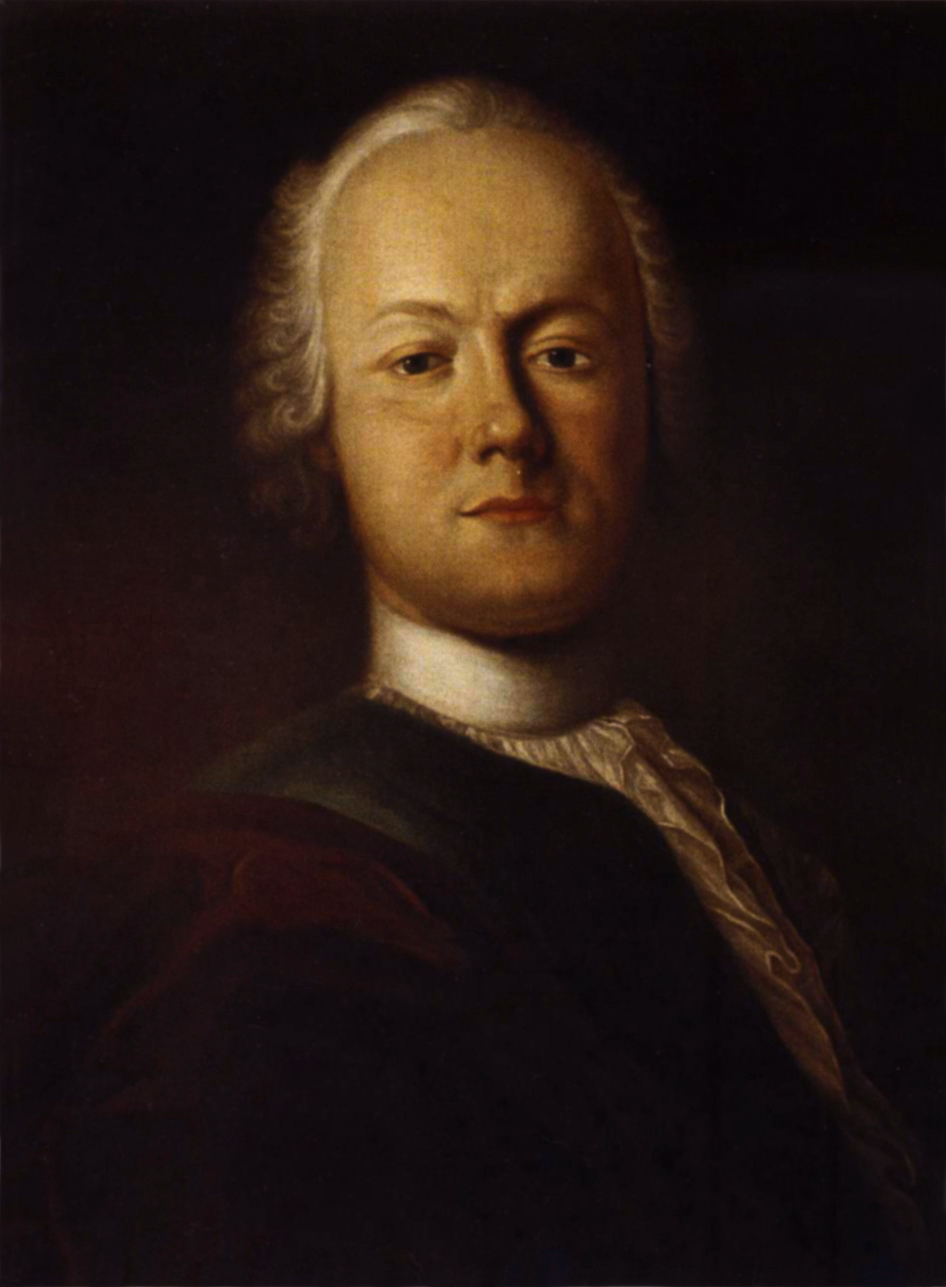
0 sources
Summary
Friedrich Gottlieb Klopstock was born on July 2, 1724[1], in Quedlinburg[2]. He died on March 14, 1803[3], in Hamburg[4]. He worked as a poet[5], playwright[6], writer[7], linguist[8], and in-home tutor[9]. He ranks in the top 0.72% of human entities by monthly Wikipedia readership (2,709 views/month, #7,217 of 1,000,298).[10]
Key Facts
- Place of burial: Ottensen[11]
- Father: Gottlieb Heinrich Klopstock[12]
- Mother: Anna Maria Klopstock[13]
- Spouse: Margareta Klopstock[14], Johanna Elisabeth Klopstock[15]
- Country of citizenship: Germany[16]
- Ethnic group: Germans[17]
- Occupation: literary scholar[18], librettist[19]
- Educated at: Friedrich Schiller University Jena[20], Leipzig University[21], Landesschule Pforta[22]
- Notable work: Der Messias[23], The Death of Adam[24], Die Frühlingsfeier[25]
- Member of: Emkendorfer Kreis[26], Académie des Inscriptions et Belles-Lettres[27]
- Religion or worldview: Lutheranism[28]
- Influenced by: Pietism[29], Homer[30], Pindar[31], Virgil[32], Horace[33], John Milton[34]
- Sex or gender: male[35]
- Movement: Sentimentalism[36], Sturm und Drang[37]
- Genre: hexameter[38]
- Commons category: Friedrich Gottlieb Klopstock[39]
- Archives at: Marienbibliothek, Halle[40], Klopstockmuseum (Städtische Museen Quedlinburg)[41], Hamburg State and University Library Carl von Ossietzky[42]
- Family name: Klopstock[43]
- Given name: Friedrich[44], Gottlieb[45]
- Topic's main category: Category:Friedrich Gottlieb Klopstock[46]
- Commons gallery: Friedrich Gottlieb Klopstock[47]
- Described by source: Hamburg Biographies[48]
Body
Works and Contributions
Things named for Friedrich Gottlieb Klopstock include 9344 Klopstock[49], an asteroid[50].
Why It Matters
Friedrich Gottlieb Klopstock has Wikipedia articles in 25 language editions, a strong signal of global cultural recognition.[51] He is known by 41 alternative names across languages and contexts.[52]
He has been cited as an influence by Johann Heinrich Voss[53], a poet[54], 1751–1826[55], of Grand Duchy of Mecklenburg-Schwerin[56]; Ludwig Christoph Heinrich Hölty[57], a poet[58], 1748–1776[59], of Germany[60]; Göttinger Hainbund[61], a literary group[62], in Germany[63], founded in 1772[64]; and Birgitte Cathrine Boye[65], a hymnwriter[66], 1742–1824[67], of Kingdom of Denmark[68].
Works attributed to him include Der Messias[69], a literary work[70]. Entities named for him include 9344 Klopstock[49], an asteroid[50].
FAQs
Where was Friedrich Gottlieb Klopstock born?
Friedrich Gottlieb Klopstock's place of birth was Quedlinburg[2].
Where did Friedrich Gottlieb Klopstock die?
Friedrich Gottlieb Klopstock died in Hamburg[4].
Who were Friedrich Gottlieb Klopstock's parents?
Friedrich Gottlieb Klopstock's father was Gottlieb Heinrich Klopstock[12]. Friedrich Gottlieb Klopstock's mother was Anna Maria Klopstock[13].
Who was Friedrich Gottlieb Klopstock married to?
Friedrich Gottlieb Klopstock's spouses include Margareta Klopstock[14] and Johanna Elisabeth Klopstock[15].
What did Friedrich Gottlieb Klopstock do for work?
Friedrich Gottlieb Klopstock worked as a poet[5], playwright[6], writer[7], linguist[8], and in-home tutor[9].
Where did Friedrich Gottlieb Klopstock go to school?
Friedrich Gottlieb Klopstock was educated at Friedrich Schiller University Jena[20], Leipzig University[21], and Landesschule Pforta[22].
Who did Friedrich Gottlieb Klopstock influence?
Friedrich Gottlieb Klopstock has been cited as an influence by Johann Heinrich Voss[53], Ludwig Christoph Heinrich Hölty[57], Göttinger Hainbund[61], and Birgitte Cathrine Boye[65].