
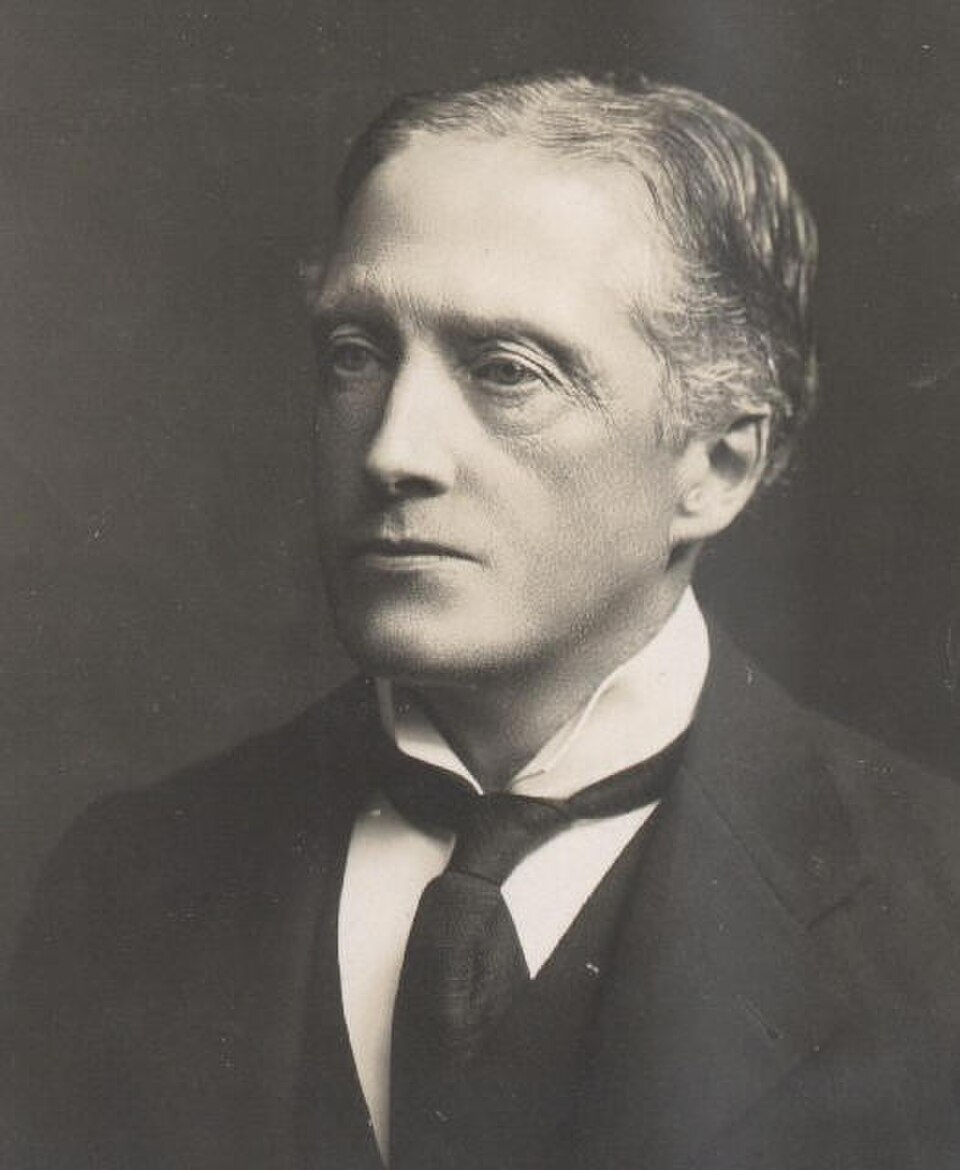
Edward Guinness, 1st Earl of Iveagh
0 sources
Edward Guinness, 1st Earl of Iveagh
Summary
Edward Guinness, 1st Earl of Iveagh is a human[1]. His place of birth was Dublin[2]. He was born on November 10, 1847[3]. He passed away in London[4]. He died on October 7, 1927[5]. He worked as a politician[6], businessperson[7], philanthropist[8], and art collector[9]. He ranks in the top 0.59% of human entities by monthly Wikipedia readership (3,589 views/month, #5,909 of 1,000,298).[10]
Key Facts
- Edward Guinness, 1st Earl of Iveagh's place of birth was Dublin[2].
- Edward Guinness, 1st Earl of Iveagh passed away in London[4].
- Edward Guinness, 1st Earl of Iveagh was born on November 10, 1847[3].
- Edward Guinness, 1st Earl of Iveagh died on October 7, 1927[5].
- Edward Guinness, 1st Earl of Iveagh's father was Benjamin Guinness[11].
- Edward Guinness, 1st Earl of Iveagh's mother was Elizabeth Guinness[12].
- Edward Guinness, 1st Earl of Iveagh was married to Adelaide Maria Guinness[13].
- A child of Edward Guinness, 1st Earl of Iveagh was Walter Guinness, 1st Baron Moyne[14].
- A child of Edward Guinness, 1st Earl of Iveagh was Rupert Guinness, 2nd Earl of Iveagh[15].
- A child of Edward Guinness, 1st Earl of Iveagh was Arthur Ernest Guinness[16].
- Edward Guinness, 1st Earl of Iveagh held citizenship in Ireland[17].
- Edward Guinness, 1st Earl of Iveagh held citizenship in United Kingdom of Great Britain and Ireland[18].
- Edward Guinness, 1st Earl of Iveagh held citizenship in Irish Free State[19].
- Edward Guinness, 1st Earl of Iveagh's professions included politician[6].
- Edward Guinness, 1st Earl of Iveagh worked as a businessperson[7].
- Edward Guinness, 1st Earl of Iveagh's professions included philanthropist[8].
- Edward Guinness, 1st Earl of Iveagh's professions included art collector[9].
- Edward Guinness, 1st Earl of Iveagh held the position of member of the House of Lords[20].
- Edward Guinness, 1st Earl of Iveagh held the position of chancellor[21].
- Edward Guinness, 1st Earl of Iveagh held the position of Sheriff of Dublin City[22].
- Edward Guinness, 1st Earl of Iveagh held the position of Sheriff of County Dublin[23].
- Edward Guinness, 1st Earl of Iveagh's education included a stint at Trinity College, Dublin[24].
- A notable work attributed to Edward Guinness, 1st Earl of Iveagh is Guinness Storehouse[25].
- A notable work attributed to Edward Guinness, 1st Earl of Iveagh is Iveagh Gardens[26].
- A notable work attributed to Edward Guinness, 1st Earl of Iveagh is Iveagh Trust[27].
Body
Origins and Family
Edward Guinness, 1st Earl of Iveagh was born in Dublin[2]. He was born on November 10, 1847[3]. His father was Benjamin Guinness[11]. His mother was Elizabeth Guinness[12].
Education
Edward Guinness, 1st Earl of Iveagh's education included a stint at Trinity College, Dublin[24]. Academic degrees include Master of Arts[28] and Legum Doctor[29].
Career and Affiliations
Recorded occupations include politician[6], businessperson[7], philanthropist[8], and art collector[9]. Positions held include member of the House of Lords[20], a position[30], in United Kingdom[31], founded in 1801[32]; chancellor[21], a position[33]; Sheriff of Dublin City[22], a position[34], in United Kingdom of Great Britain and Ireland[35]; and Sheriff of County Dublin[23], a historical position[36], in United Kingdom of Great Britain and Ireland[37].
Works and Contributions
Notable works include Guinness Storehouse[25], a tourist attraction[38], in Ireland[39], founded in 2000[40]; Iveagh Gardens[26], an urban park[41], in Ireland[42], founded in 1865[43]; Iveagh Trust[27], a charitable organization[44], in Ireland[45], founded in 1890[46]; Iveagh Market[47]; and Iveagh Bequest, 1929[48]. Things named for Edward Guinness, 1st Earl of Iveagh include Mount Iveagh[49], a mountain[50].
Recognition
Awards received include Knight Grand Cross of the Royal Victorian Order[51], a grade of an order[52], in United Kingdom[53]; Knight of St. Patrick[54], a grade of an order[55], in United Kingdom[56]; Fellow of the Royal Society[57], a fellowship award[58], in United Kingdom[59]; and Legum Doctor[60], an academic degree[61].
Personal Life
Among Edward Guinness, 1st Earl of Iveagh's spouses was Adelaide Maria Guinness[13]. Children include Walter Guinness, 1st Baron Moyne[14], a politician[62], 1880–1944[63], of United Kingdom[64], awarded the Distinguished Service Order[65]; Rupert Guinness, 2nd Earl of Iveagh[15], a rower[66], 1874–1967[67], of United Kingdom[68], awarded the Companion of the Order of the Bath[69]; and Arthur Ernest Guinness[16], 1876–1949[70], of United Kingdom of Great Britain and Ireland[71].
Death and Burial
Edward Guinness, 1st Earl of Iveagh died on October 7, 1927[5]. He passed away in London[4].
Why It Matters
Edward Guinness, 1st Earl of Iveagh ranks in the top 0.59% of human entities by monthly Wikipedia readership (3,589 views/month, #5,909 of 1,000,298).[10] He has Wikipedia articles in 6 language editions, a strong signal of global cultural recognition.[72] He is known by 6 alternative names across languages and contexts.[73]
Entities named for him include Mount Iveagh[49], a mountain[50].
FAQs
Where was Edward Guinness, 1st Earl of Iveagh born?
Edward Guinness, 1st Earl of Iveagh's place of birth was Dublin[2].
Where did Edward Guinness, 1st Earl of Iveagh die?
Edward Guinness, 1st Earl of Iveagh passed away in London[4].
Who were Edward Guinness, 1st Earl of Iveagh's parents?
Edward Guinness, 1st Earl of Iveagh's father was Benjamin Guinness[11]. Edward Guinness, 1st Earl of Iveagh's mother was Elizabeth Guinness[12].
Who was Edward Guinness, 1st Earl of Iveagh married to?
Edward Guinness, 1st Earl of Iveagh's spouses include Adelaide Maria Guinness[13].
What did Edward Guinness, 1st Earl of Iveagh do for work?
Edward Guinness, 1st Earl of Iveagh worked as politician[6], businessperson[7], philanthropist[8], and art collector[9].
Where did Edward Guinness, 1st Earl of Iveagh go to school?
Edward Guinness, 1st Earl of Iveagh was educated at Trinity College, Dublin[24].
What awards did Edward Guinness, 1st Earl of Iveagh receive?
Honors received include Knight Grand Cross of the Royal Victorian Order[51], Knight of St. Patrick[54], Fellow of the Royal Society[57], and Legum Doctor[60].