
David I of Scotland
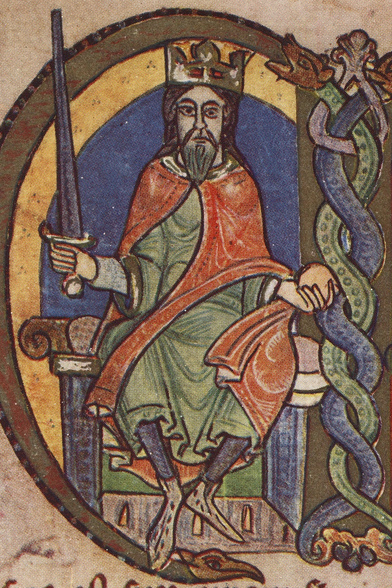
0 sources
David I of Scotland was born on January 1, 1084, in Scotland . He was the son of Malcolm III of Scotland [1] and Saint Margaret of Scotland [1]. David I had several siblings, including Matilda of Scotland, Mary of Scotland, Countess of Boulogne, Edgar, Duncan II of Scotland, Ethelred of Scotland, and Alexander I of Scotland [1][2].
As a sovereign , David I of Scotland married Maud, Countess of Huntingdon, in 1113 [1]. The couple had several children, including Henry of Scotland, Claricia of Scotland, Hodierna of Scotland, and Malcolm of Scotland [1][3].
David I of Scotland died on May 24, 1153, in Carlisle . He was buried at Dunfermline Abbey .
David I of Scotland
Summary
David I of Scotland is a human[1]. His place of birth was Scotland[2]. He was born on January 1, 1084[3]. He passed away in Carlisle[4]. He died on May 24, 1153[5]. He worked as a sovereign[6]. He has Wikipedia articles in 27 language editions, a strong signal of global cultural recognition.[7]
Key Facts
- Born in Scotland[2], David I of Scotland…
- David I of Scotland passed away in Carlisle[4].
- David I of Scotland was born on January 1, 1084[3].
- David I of Scotland died on May 24, 1153[5].
- Burial took place at Dunfermline Abbey[8].
- David I of Scotland's father was Malcolm III of Scotland[9].
- David I of Scotland's mother was Saint Margaret of Scotland[10].
- Among David I of Scotland's spouses was Maud, Countess of Huntingdon[11].
- A child of David I of Scotland was Henry of Scotland[12].
- A child of David I of Scotland was Claricia of Scotland[13].
- A child of David I of Scotland was Hodierna of Scotland[14].
- A child of David I of Scotland was Malcolm of Scotland[15].
- David I of Scotland worked as a sovereign[6].
- David I of Scotland held the position of monarch of Scotland[16].
- David I of Scotland is recorded as male[17].
- David I of Scotland's instance of is recorded as human[18].
- David I of Scotland's family is recorded as House of Dunkeld[19].
- David I of Scotland's noble title is recorded as count[20].
- David I of Scotland's Commons category is recorded as David I of Scotland[21].
- David I of Scotland's canonization status is recorded as saint[22].
- David I of Scotland's canonization status is recorded as Catholic saint[23].
- David I of Scotland's given name is recorded as David[24].
- David I of Scotland's feast day is recorded as January 11[25].
- David I of Scotland's topic's main category is recorded as Category:David I of Scotland[26].
- David I of Scotland's described by source is recorded as Brockhaus and Efron Encyclopedic Dictionary[27].
Body
Origins and Family
David I of Scotland was born in Scotland[2]. He was born on January 1, 1084[3]. His father was Malcolm III of Scotland[9]. His mother was Saint Margaret of Scotland[10].
Career and Affiliations
David I of Scotland's professions included sovereign[6]. He held the position of monarch of Scotland[16].
Personal Life
David I of Scotland was married to Maud, Countess of Huntingdon[11]. Children include Henry of Scotland[12], a feudatory[28], 1115–1152[29], of Kingdom of Scotland[30]; Claricia of Scotland[13], 1116–1135[31]; Hodierna of Scotland[14], 1117–1140[32]; and Malcolm of Scotland[15].
Death and Burial
David I of Scotland died on May 24, 1153[5]. He passed away in Carlisle[4]. He is buried at Dunfermline Abbey[8].
Why It Matters
David I of Scotland has Wikipedia articles in 27 language editions, a strong signal of global cultural recognition.[7] He is known by 28 alternative names across languages and contexts.[33]
FAQs
Where was David I of Scotland born?
David I of Scotland was born in Scotland[2].
Where did David I of Scotland die?
David I of Scotland passed away in Carlisle[4].
Who were David I of Scotland's parents?
David I of Scotland's father was Malcolm III of Scotland[9]. David I of Scotland's mother was Saint Margaret of Scotland[10].
Who was David I of Scotland married to?
David I of Scotland's spouses include Maud, Countess of Huntingdon[11].
What did David I of Scotland do for work?
David I of Scotland worked as sovereign[6].