
Dàoxuān
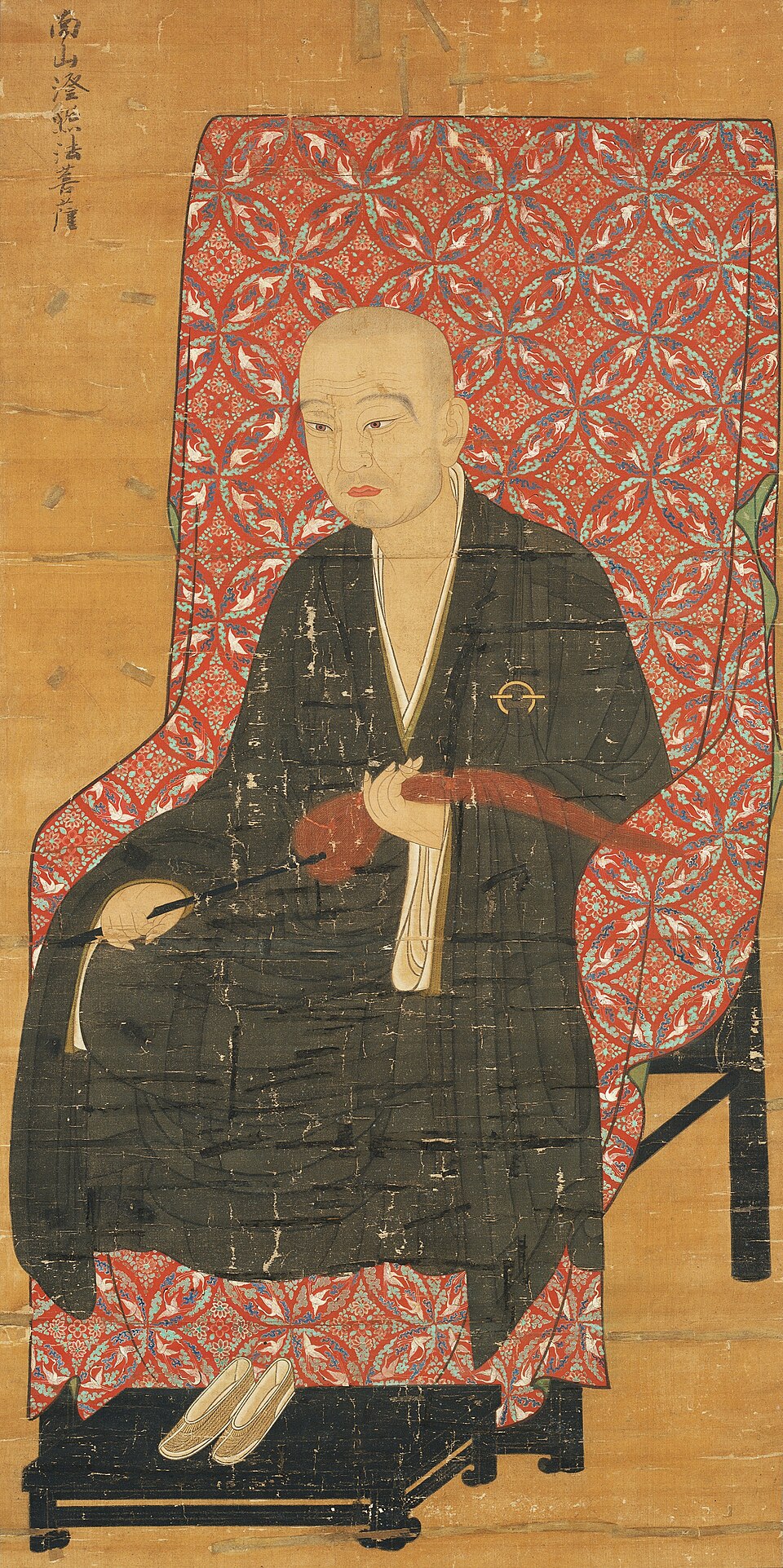
0 sources
Summary
Dàoxuān is a human[1]. He was born on January 1, 596[2]. He died on January 1, 667[3]. He worked as a translator[4] and Buddhist monk[5]. He ranks in the top 0.73% of human entities by monthly Wikipedia readership (72 views/month, #7,292 of 1,000,298).[6]
Key Facts
- Dàoxuān was born on January 1, 596[2].
- Dàoxuān died on January 1, 667[3].
- Dàoxuān held citizenship in Tang dynasty[7].
- Dàoxuān worked as a translator[4].
- Dàoxuān worked as a Buddhist monk[5].
- A notable work attributed to Dàoxuān is Guang Hong Ming Ji[8].
- A notable work attributed to Dàoxuān is Great Tang Dynasty Catalog of Buddhist Scriptures[9].
- A notable work attributed to Dàoxuān is Continued Biographies of Eminent Monks[10].
- A notable work attributed to Dàoxuān is Standard Design for Buddhist Temple Construction[11].
- A notable work attributed to Dàoxuān is A Bhikṣuprātimokṣa of the Dharmaguptakavinaya with Commentary[12].
- A notable work attributed to Dàoxuān is The Four-Part Vinaya with Unnecessary Details Removed and Gaps Filled from Other Sources[13].
- Dàoxuān's religion is recorded as Chinese Buddhism[14].
- Dàoxuān is recorded as male[15].
- Dàoxuān's instance of is recorded as human[16].
- Dàoxuān's ancestral home is recorded as Dantu County[17].
- Dàoxuān's Commons category is recorded as Daoxuan[18].
- Dàoxuān's family name is recorded as Shì[19].
- Dàoxuān's name in kana is recorded as どうせん[20].
- Dàoxuān dates from the Tang dynasty[21].
- Dàoxuān's copyright status as a creator is recorded as copyrights on works have expired[22].
Body
Origins and Family
Dàoxuān was born on January 1, 596[2].
Career and Affiliations
Recorded occupations include translator[4] and Buddhist monk[5].
Works and Contributions
Notable works include Guang Hong Ming Ji[8], a Buddhist text[23]; Great Tang Dynasty Catalog of Buddhist Scriptures[9], a written work[24], founded in 0700[25]; Continued Biographies of Eminent Monks[10], a Buddhist text[26]; Standard Design for Buddhist Temple Construction[11], a literary work[27]; A Bhikṣuprātimokṣa of the Dharmaguptakavinaya with Commentary[12], a literary work[28]; and The Four-Part Vinaya with Unnecessary Details Removed and Gaps Filled from Other Sources[13], a literary work[29].
Personal Life
Dàoxuān's religion is recorded as Chinese Buddhism[14].
Death and Burial
Dàoxuān died on January 1, 667[3].
Why It Matters
Dàoxuān ranks in the top 0.73% of human entities by monthly Wikipedia readership (72 views/month, #7,292 of 1,000,298).[6] He has Wikipedia articles in 9 language editions, a strong signal of global cultural recognition.[30] He is known by 4 alternative names across languages and contexts.[31]
Works attributed to him include Continued Biographies of Eminent Monks[32], a Buddhist text[33].