
Crowfoot
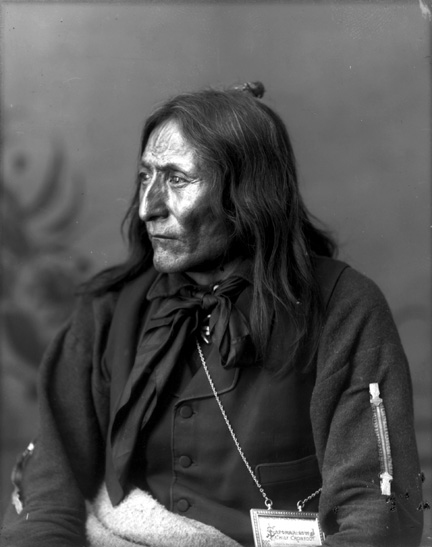
0 sources
Crowfoot
Summary
Crowfoot is a human[1]. He was born in Rupert's Land[2]. He was born on 1830[3]. He passed away in Blackfoot Crossing[4]. He died on April 25, 1890[5]. He worked as a traditional leader or chief[6] and warrior[7]. He has Wikipedia articles in 5 language editions, a strong signal of global cultural recognition.[8]
Key Facts
- Crowfoot's place of birth was Rupert's Land[2].
- Crowfoot died in Blackfoot Crossing[4].
- Crowfoot was born on 1830[3].
- Crowfoot died on April 25, 1890[5].
- Crowfoot held citizenship in Canada[9].
- Crowfoot worked as a traditional leader or chief[6].
- Crowfoot worked as a warrior[7].
- Crowfoot received the Person of National Historic Significance[10].
- Crowfoot is recorded as male[11].
- Crowfoot's instance of is recorded as human[12].
- Crowfoot's Commons category is recorded as Crowfoot[13].
- The cause of death was tuberculosis[14].
- Crowfoot's medical condition is recorded as tuberculosis[15].
- Crowfoot's manner of death is recorded as natural causes[16].
- Crowfoot's name in native language is recorded as {'lang': 'bla', 'text': 'ᖱᓭᑲᒉᖽᐧᖿᖷ'}[17].
Body
Origins and Family
Crowfoot's place of birth was Rupert's Land[2]. He was born on 1830[3].
Career and Affiliations
Recorded occupations include traditional leader or chief[6] and warrior[7].
Recognition
Crowfoot received the Person of National Historic Significance[10].
Death and Burial
Crowfoot died on April 25, 1890[5]. He died in Blackfoot Crossing[4]. The cause of death was tuberculosis[14].
Why It Matters
Crowfoot has Wikipedia articles in 5 language editions, a strong signal of global cultural recognition.[8] He is known by 5 alternative names across languages and contexts.[18]
FAQs
Where was Crowfoot born?
Crowfoot's place of birth was Rupert's Land[2].
Where did Crowfoot die?
Crowfoot passed away in Blackfoot Crossing[4].
What did Crowfoot do for work?
Crowfoot worked as traditional leader or chief[6] and warrior[7].
What awards did Crowfoot receive?
Honors received include Person of National Historic Significance[10].