
Countee Cullen
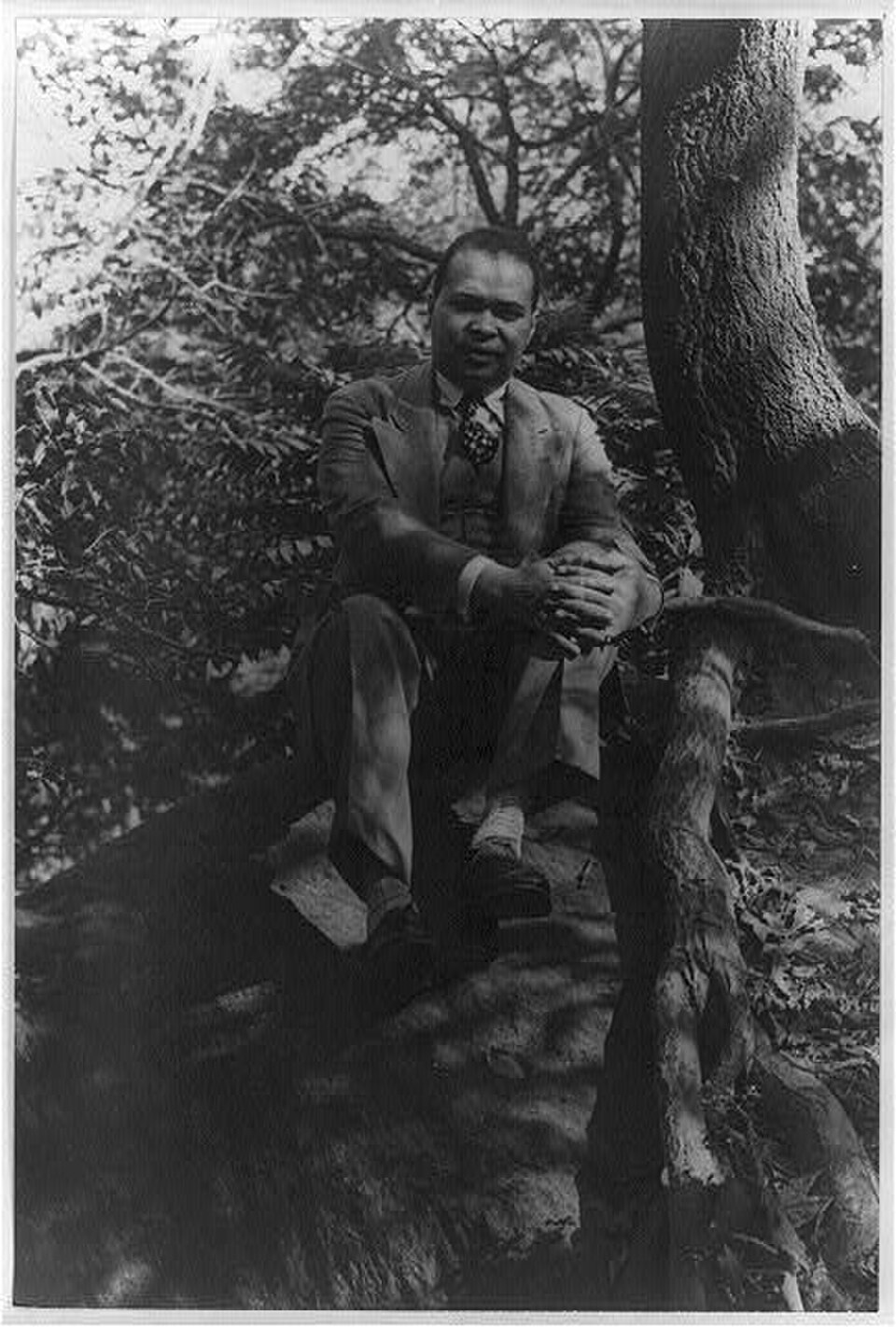
0 sources
Summary
Countee Cullen was born on May 30, 1903[1], in Louisville[2]. He died on January 9, 1946[3], in New York City[4]. He worked as a poet[5], novelist[6], writer[7], and children's writer[8]. He ranks in the top 0.71% of human entities by monthly Wikipedia readership (2,562 views/month, #7,053 of 1,000,298).[9]
Key Facts
- Place of birth: Baltimore[10]
- Place of burial: Woodlawn Cemetery[11]
- Spouse: Nina Yolande Du Bois[12], Ida Mae Roberson Cullen[13]
- Country of citizenship: United States[14]
- Ethnic group: African Americans[15]
- Educated at: Harvard University[16], New York University[17], DeWitt Clinton High School[18]
- Award received: Guggenheim Fellowship[19], William E. Harmon Foundation award for distinguished achievement among Negroes[20], Witter Bynner Poetry Prize[21]
- Member of: Alpha Phi Alpha[22], Phi Beta Kappa Society[23]
- Sex or gender: male[24]
- Movement: Harlem Renaissance[25]
- Commons category: Countee Cullen[26]
- Archives at: Beinecke Rare Book & Manuscript Library[27], Robert W. Woodruff Library, Atlanta University Center[28], Amistad Research Center[29]
- Family name: Cullen[30], Rutherford[31]
- Given name: Countee[32], Coleman[33]
- Topic's main category: Category:Countee Cullen[34]
- Commons gallery: Countee Cullen[35]
- Described by source: African American Authors, 1745-1945 (1st edition)[36], National Gallery of Art Library Vertical Files[37], Broadside authors and artists : an illustrated biographical directory[38]
- Languages spoken, written or signed: English[39]
- Commons Creator page: Countee Cullen[40]
- Birth name: Countee LeRoy Porter[41]
Why It Matters
Countee Cullen has Wikipedia articles in 12 language editions, a strong signal of global cultural recognition.[42] He is known by 15 alternative names across languages and contexts.[43]
FAQs
Where was Countee Cullen born?
Countee Cullen was born in Louisville[2].
Where did Countee Cullen die?
Countee Cullen passed away in New York City[4].
Who was Countee Cullen married to?
Countee Cullen's spouses include Nina Yolande Du Bois[12] and Ida Mae Roberson Cullen[13].
What did Countee Cullen do for work?
Countee Cullen worked as a poet[5], novelist[6], writer[7], and children's writer[8].
Where did Countee Cullen go to school?
Countee Cullen was educated at Harvard University[16], New York University[17], and DeWitt Clinton High School[18].
What awards did Countee Cullen receive?
Honors received include Guggenheim Fellowship[19], William E. Harmon Foundation award for distinguished achievement among Negroes[20], and Witter Bynner Poetry Prize[21].