
Color TV-Game
series of five dedicated home video game consoles created by Nintendo and released in Japan only
Press Enter · cited answer in seconds
0 sources
Color TV-Game
Summary
Color TV-Game is a sequence[1]. It draws 3,104 Wikipedia views per month (sequence category, ranking #9 of 66).[2]
Key Facts
- Color TV-Game is in the country of Japan[3].
- Color TV-Game's instance of is recorded as sequence[4].
- Color TV-Game was published by Q8093[5].
- Color TV-Game was followed by Nintendo Entertainment System[6].
- Color TV-Game's manufacturer is recorded as Q8093[7].
- Color TV-Game's developer is recorded as Nintendo Research & Development 2[8].
- Color TV-Game is a type of home video game console[9].
- Color TV-Game is part of first generation of video game consoles[10].
- Color TV-Game's Commons category is recorded as Color TV-Game[11].
- Color TV-Game's language of work or name is recorded as Japanese[12].
- Color TV-Game's country of origin is recorded as Japan[13].
- July 1, 1977 marks the founding of Color TV-Game[14].
- Color TV-Game was released on June 1, 1977[15].
- Color TV-Game's title is recorded as Karā Terebi-Gēmu[16].
- Color TV-Game's units sold is recorded as {'amount': '+3415045'}[17].
- Color TV-Game's discontinuation date is recorded as 1980[18].
- Color TV-Game's has part is recorded as Color TV-Game 6[19].
- Color TV-Game's has part is recorded as Color TV-Game 15[20].
- Color TV-Game's has part is recorded as Color TV-Game Racing 112[21].
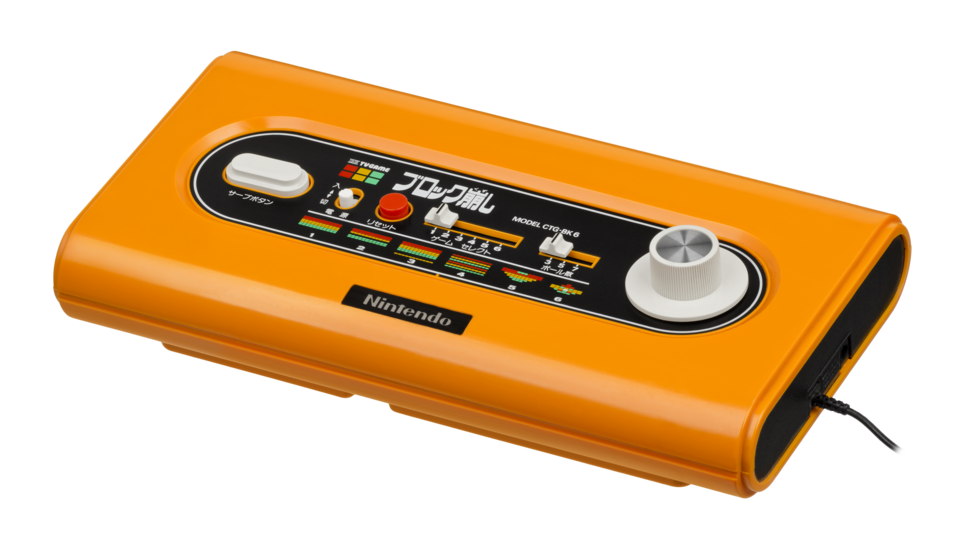
- Color TV-Game's has part is recorded as Color TV Game Block Breaker[22].
- Color TV-Game's has part is recorded as Computer TV-Game[23].
- Color TV-Game's has part is recorded as video game console model[24].
Body
Definition and Type
Color TV-Game's instance of is recorded as sequence[4]. It is a type of home video game console[9].
Origins
July 1, 1977 marks the founding of Color TV-Game[14].
Use and Application
Color TV-Game is part of first generation of video game consoles[10].
Why It Matters
Color TV-Game draws 3,104 Wikipedia views per month (sequence category, ranking #9 of 66).[2] It has Wikipedia articles in 23 language editions, a strong signal of global cultural recognition.[25] It is known by 24 alternative names across languages and contexts.[26]