
Carlos Chávez
0 sources
Summary
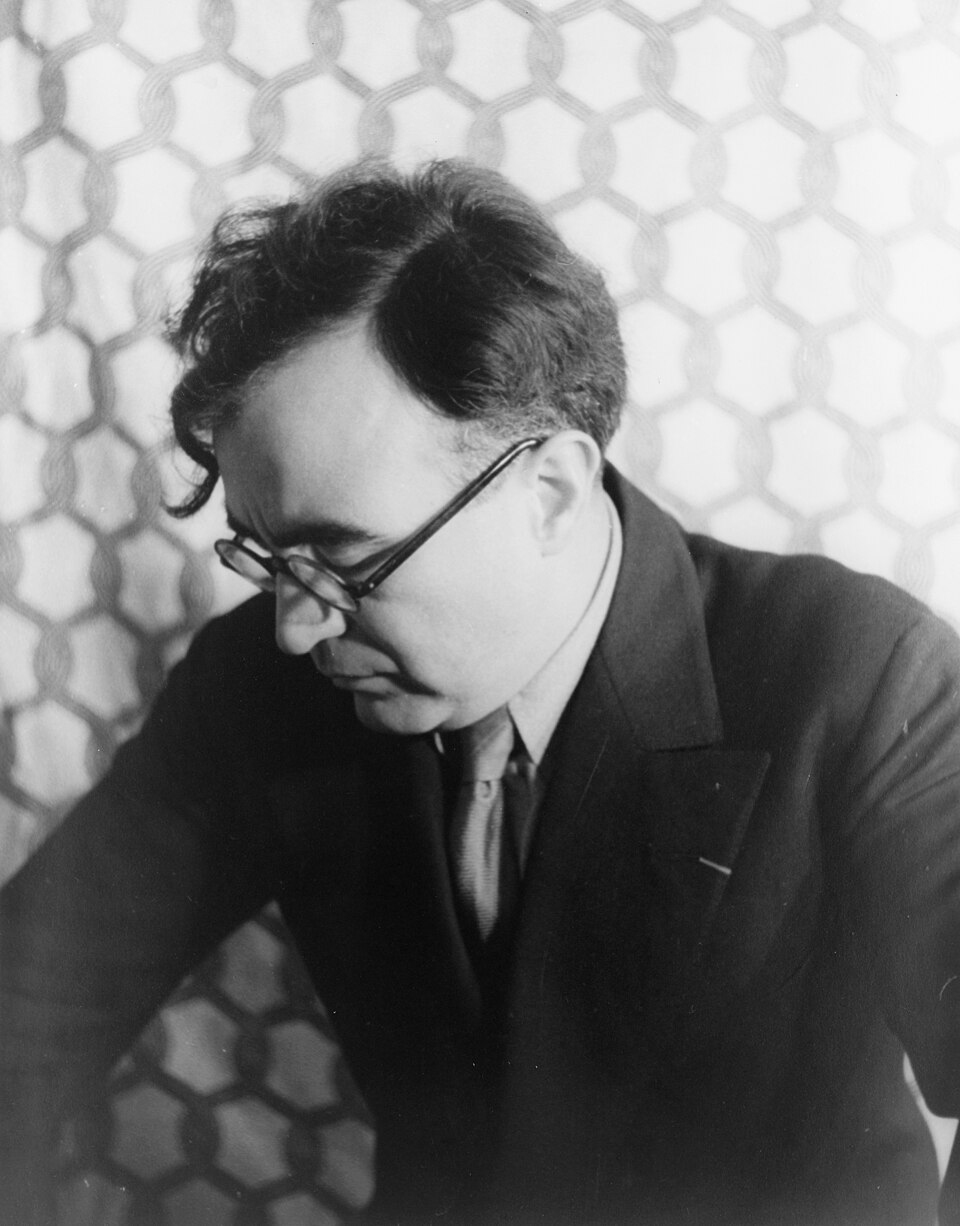
Carlos Chávez was born on June 13, 1899[1], in Popotla[2]. He died on August 2, 1978[3], in Mexico City[4]. He worked as a classical composer[5], conductor[6], choreographer[7], musicologist[8], and journalist[9]. He ranks in the top 0.72% of human entities by monthly Wikipedia readership (838 views/month, #7,227 of 1,000,298).[10]
Key Facts
- Place of burial: Panteón de Dolores[11]
- Country of citizenship: Mexico[12]
- Native language: Spanish[13]
- Occupation: music arranger[14], composer[15], musician[16]
- Employer: Harvard University[17]
- Educated at: National Conservatory of Music of Mexico[18]
- Student: Blas Galindo[19], Eduardo Mata[20], María Teresa Prieto[21]
- Notable work: Symphony No. 3[22], Symphony No. 5[23]
- Award received: Guggenheim Fellowship[24], National Prize for Arts and Sciences[25]
- Member of: Colegio Nacional[26], American Academy of Arts and Sciences[27], National Academy of Fine Arts (Argentina)[28]
- Sex or gender: male[29]
- Genre: opera[30], symphony[31]
- Record label: MGM Records[32], Philips Records[33], Columbia Records[34]
- Commons category: Carlos Chavez[35]
- Archives at: New York Public Library for the Performing Arts[36]
- Family name: Chávez[37]
- Given name: Carlos[38], Antonio[39]
- Topic's main category: Category:Carlos Chávez[40]
- Commons gallery: Carlos Chávez[41]
- Instrument: piano[42]
- Languages spoken, written or signed: Spanish[43]
- List of works: list of compositions by Carlos Chávez[44]
- Birth name: Carlos Antonio de Padua Chávez y Ramírez[45]
- Name in native language: Carlos Chávez[46]
- Second family name in Spanish name: Ramírez[47]
Why It Matters
Carlos Chávez has Wikipedia articles in 20 language editions, a strong signal of global cultural recognition.[48] He is known by 29 alternative names across languages and contexts.[49]
FAQs
Where was Carlos Chávez born?
Carlos Chávez was born in Popotla[2].
Where did Carlos Chávez die?
Carlos Chávez passed away in Mexico City[4].
What did Carlos Chávez do for work?
Carlos Chávez worked as a classical composer[5], conductor[6], choreographer[7], musicologist[8], and journalist[9].
Where did Carlos Chávez go to school?
Carlos Chávez was educated at National Conservatory of Music of Mexico[18].
What awards did Carlos Chávez receive?
Honors received include Guggenheim Fellowship[24] and National Prize for Arts and Sciences[25].