
Bert Sakmann
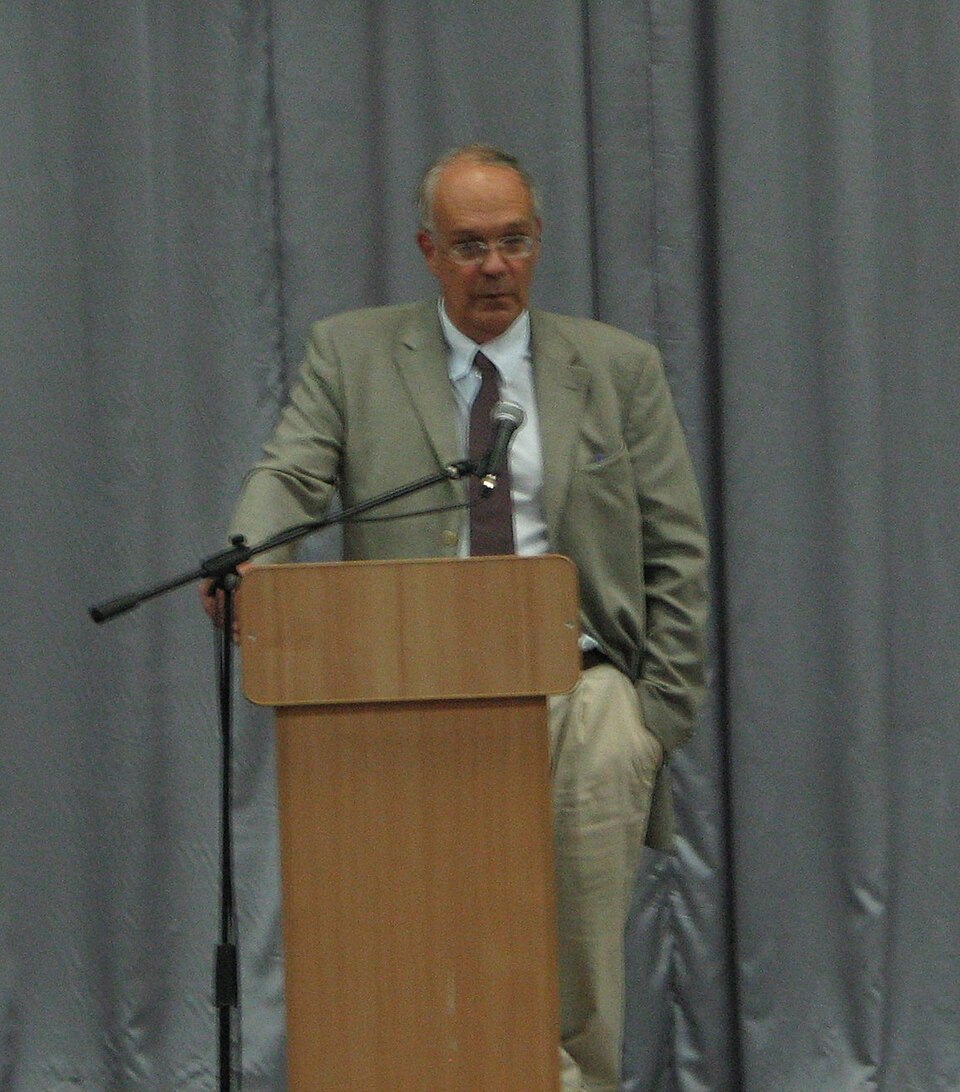
0 sources
Bert Sakmann, born June 12, 1942, in Stuttgart [1][2][3][4], holds citizenship in Germany and Nazi Germany . He is a biologist, biophysicist, university teacher, physician, physiologist, and neurophysiologist [1][4]. His education includes studies at University College London, Ludwig-Maximilians-Universität München, University of Tübingen, and University of Freiburg . Sakmann has worked at the University of Göttingen and Heidelberg University , specializing in the fields of physiology, medicine, and neurophysiology [4].
He has received numerous awards, including the Pour le Mérite for Sciences and Arts order, the Nobel Prize in Physiology or Medicine, the Order of Merit of Baden-Württemberg, the Carus medal, the Harvey Prize, and the Canada Gairdner International Award, among others [5][6][7][8][9]. Sakmann is a member of prestigious organizations such as the Royal Society, the German Academy of Sciences Leopoldina, the National Academy of Sciences, and the Bavarian Academy of Sciences and Humanities [10].
Bert Sakmann
Summary
Bert Sakmann is a human[1]. He was born in Stuttgart[2]. He was born on June 12, 1942[3]. He worked as a biophysicist[4], university teacher[5], physician[6], physiologist[7], and neurophysiologist[8]. He has Wikipedia articles in 26 language editions, a strong signal of global cultural recognition.[9]
Key Facts
- Bert Sakmann was born in Stuttgart[2].
- Bert Sakmann was born on June 12, 1942[3].
- Bert Sakmann held citizenship in Germany[10].
- Bert Sakmann held citizenship in Nazi Germany[11].
- Bert Sakmann's professions included biophysicist[4].
- Bert Sakmann worked as a university teacher[5].
- Bert Sakmann's professions included physician[6].
- Bert Sakmann worked as a physiologist[7].
- Bert Sakmann worked as a neurophysiologist[8].
- Bert Sakmann's field of work was physiology[12].
- Bert Sakmann's field of work was medicine[13].
- Bert Sakmann's field of work was neurophysiology[14].
- Among Bert Sakmann's employers was University of Göttingen[15].
- Among Bert Sakmann's employers was Heidelberg University[16].
- Bert Sakmann was educated at University College London[17].
- Bert Sakmann's education included a stint at Ludwig-Maximilians-Universität München[18].
- Bert Sakmann's education included a stint at University of Tübingen[19].
- Bert Sakmann was educated at University of Freiburg[20].
- Bert Sakmann's education included a stint at University of Göttingen[21].
- Bert Sakmann received the Pour le Mérite for Sciences and Arts order[22].
- Bert Sakmann received the Nobel Prize in Physiology or Medicine[23].
- Bert Sakmann received the Order of Merit of Baden-Württemberg[24].
- Bert Sakmann received the Carus medal[25].
- Bert Sakmann received the Harvey Prize[26].
- Bert Sakmann received the Canada Gairdner International Award[27].
Body
Origins and Family
Bert Sakmann's place of birth was Stuttgart[2]. He was born on June 12, 1942[3].
Education
Educated at University College London[17], a university college[28], in United Kingdom[29], founded in 1826[30], headquartered in UCL Main Building[31]; Ludwig-Maximilians-Universität München[18], a public research university[32], in Germany[33], founded in 1472[34], headquartered in Hauptgebäude der Ludwig-Maximilians-Universität München[35]; University of Tübingen[19], a comprehensive university[36], in Germany[37], founded in 1477[38], headquartered in Tübingen[39]; University of Freiburg[20], a public university[40], in Germany[41], founded in 1457[42], headquartered in Freiburg im Breisgau[43]; and University of Göttingen[21], a campus university[44], in Germany[45], founded in 1734[46], headquartered in Göttingen[47]. Bert Sakmann earned the academic degree of doctorate[48].
Career and Affiliations
Recorded occupations include biophysicist[4], university teacher[5], physician[6], physiologist[7], and neurophysiologist[8]. Fields of work include physiology[12], a branch of biology[49]; medicine[13], a field of study[50]; and neurophysiology[14]. Employers include University of Göttingen[15], a campus university[51], in Germany[52], founded in 1734[53], headquartered in Göttingen[54] and Heidelberg University[16], a public research university[55], in Germany[56], founded in 1386[57], headquartered in Heidelberg[58]. Bert Sakmann supervised Moritz Helmstädter as a doctoral student[59].
Recognition
Awards received include Pour le Mérite for Sciences and Arts order[22], a civil decoration[60], in Prussia[61], founded in 1842[62]; Nobel Prize in Physiology or Medicine[23], a science award[63], in Sweden[64], founded in 1901[65]; Order of Merit of Baden-Württemberg[24], an order of merit[66], in Germany[67], founded in 1974[68]; Carus medal[25], a science award[69], in Germany[70]; Harvey Prize[26], a science award[71], in Israel[72], founded in 1972[73]; and Canada Gairdner International Award[27], a science award[74], in Canada[75], founded in 1959[76].
Why It Matters
Bert Sakmann has Wikipedia articles in 26 language editions, a strong signal of global cultural recognition.[9] He is known by 23 alternative names across languages and contexts.[77]
FAQs
Where was Bert Sakmann born?
Bert Sakmann's place of birth was Stuttgart[2].
What did Bert Sakmann do for work?
Bert Sakmann worked as biophysicist[4], university teacher[5], physician[6], physiologist[7], and neurophysiologist[8].
Where did Bert Sakmann go to school?
Bert Sakmann was educated at University College London[17], Ludwig-Maximilians-Universität München[18], University of Tübingen[19], and University of Freiburg[20].
What awards did Bert Sakmann receive?
Honors received include Pour le Mérite for Sciences and Arts order[22], Nobel Prize in Physiology or Medicine[23], Order of Merit of Baden-Württemberg[24], and Carus medal[25].