
Artemisia Gentileschi
0 sources
Artemisia Gentileschi was born on July 8, 1593, in Rome[1][2][3][4][5][6][7] and died on January 1, 1653, in Naples[8][3][9][6][5][7]. She was the daughter of Prudenzia di Ottaviano Montoni[10] and had a sibling named Francesco Gentileschi[6].
Working as a painter and artist[6][11][7][12], Gentileschi was associated with the Caravaggisti movement. Her artistic genres included portrait, religious painting, history painting, and mythological painting[2][13]. She held the position of court painter[14].
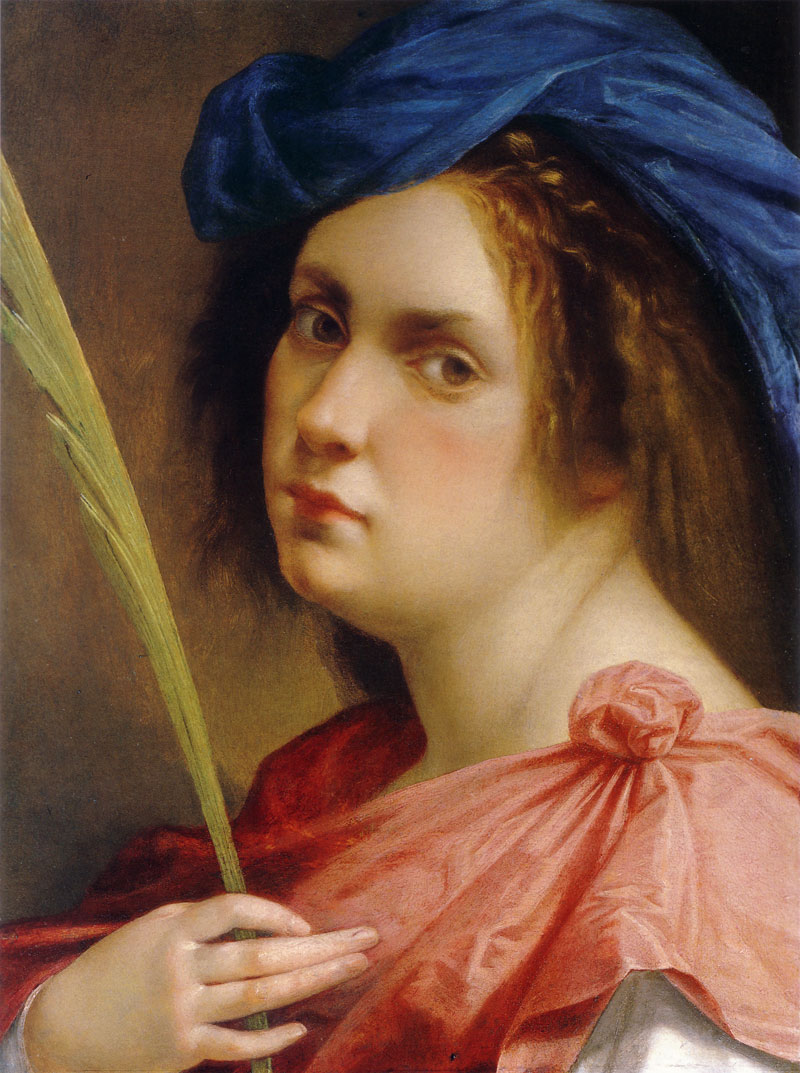
Her notable works include Judith Slaying Holofernes, Adoration of the Magi, Judith and Her Maidservant, Susanna and the Elders, Allegory of Inclination, and Self-Portrait as a Female Martyr[6][5].
Key Facts
- Place of burial: San Giovanni Battista dei Fiorentini[8]
- Father: Orazio Gentileschi[9]
- Mother: Prudenzia di Ottaviano Montoni[10]
- Spouse: Pierantonio Stiattesi[11]
- Country of citizenship: Papal States[12]
- Ethnic group: Italians[13]
- Field of work: painting[14]
- Position held: court painter[15]
- Notable work: Judith Slaying Holofernes[16], Adoration of the Magi[17], Judith and Her Maidservant[18], Susanna and the Elders[19], Allegory of Inclination[20], Self-Portrait as a Female Martyr[21]
- Member of: Accademia delle Arti del Disegno[22]
- Religion or worldview: Catholicism[23]
- Sex or gender: female[24]
- Movement: Caravaggisti[25]
- Genre: portrait[26], religious painting[27], history painting[28], mythological painting[29]
- Commons category: Artemisia Gentileschi[30]
- Family name: Gentileschi[31]
- Given name: Artemisia[32]
- Significant event: Processo ad Agostino Tassi per lo stupro di Artemisia Gentileschi[33]
- Topic's main category: Category:Artemisia Gentileschi[34]
- Commons gallery: Artemisia Gentileschi[35]
- Work location: Florence[36], Genoa[37], Rome[38], Venice[39], Naples[40]
- Described at URL: https://www.smithsonianmag.com/arts-culture/artemisias-moment-62150147/[41], http://www.npr.org/sections/parallels/2016/12/12/504821139/long-seen-as-victim-17th-century-italian-painter-emerges-as-feminist-icon?utm_term=nprnews[42], https://www.bbc.com/reel/video/p0gq3vps/the-naked-portrait-covered-up-for-centuries[43]
- Student of: Orazio Gentileschi[44]
- Depicted by: Artemisia[45], Orazio and Artemisia Gentileschi[46], Orazio and Artemisia Gentileschi : Father and Daughter Painters in Baroque Italy[47]
- Described by source: The Great Theatre of Dutch Painters[48], Women Painters of the World, from the time of Caterina Vigri, 1413-1463, to Rosa Bonheur and the present day, 1905[49], English Female Artists[50], Teutsche Academie der Edlen Bau- Bild- und Mahlerey-Künste[51], Dictionary of National Biography, 1885–1900[52]
Body
Works and Contributions
Things named for Artemisia Gentileschi include Gentileschi[53].
Why It Matters
Artemisia Gentileschi has Wikipedia articles in 29 language editions, a strong signal of global cultural recognition.[54] She is known by 51 alternative names across languages and contexts.[55]
Entities named for her include Gentileschi[53].
FAQs
Where was Artemisia Gentileschi born?
Artemisia Gentileschi's place of birth was Rome[2].
Where did Artemisia Gentileschi die?
Artemisia Gentileschi passed away in Naples[4].
Who were Artemisia Gentileschi's parents?
Artemisia Gentileschi's father was Orazio Gentileschi[9]. Artemisia Gentileschi's mother was Prudenzia di Ottaviano Montoni[10].
Who was Artemisia Gentileschi married to?
Artemisia Gentileschi's spouses include Pierantonio Stiattesi[11].