
Antonio
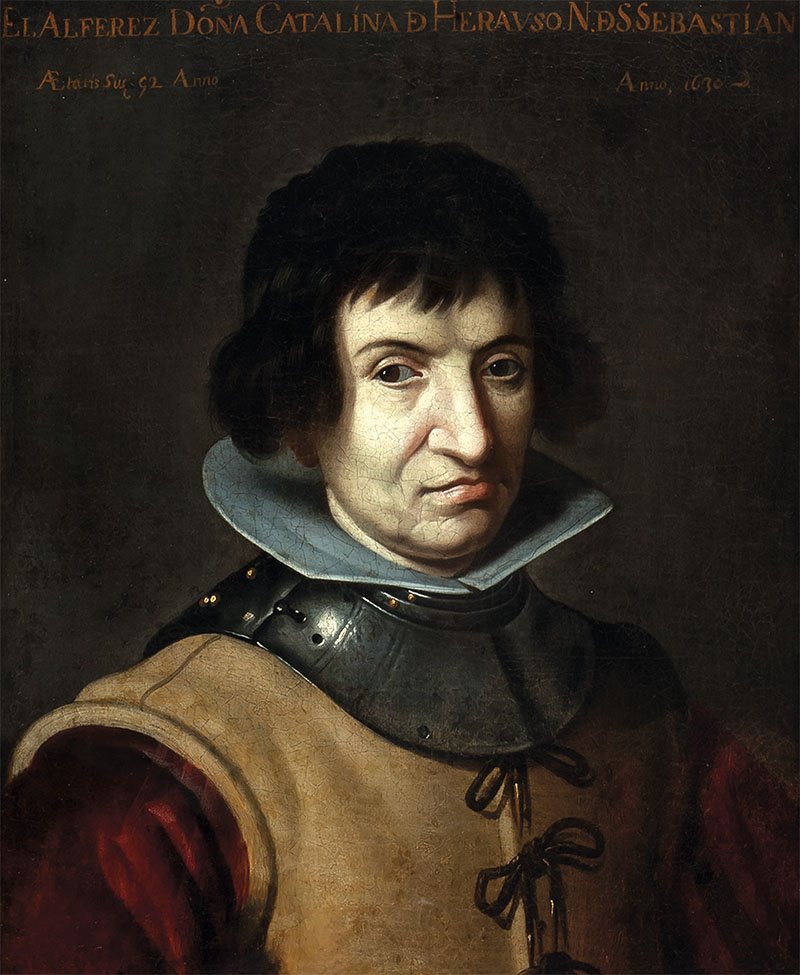
0 sources
Antonio
Summary
Antonio is a human[1]. He was born in San Sebastián[2]. He was born on February 10, 1592[3]. He passed away in Cotaxtla Municipality[4]. He died on 1650[5]. He worked as an explorer[6], military personnel[7], nun[8], memoirist[9], and writer[10]. He ranks in the top 0.66% of human entities by monthly Wikipedia readership (884 views/month, #6,647 of 1,000,298).[11]
Key Facts
- Antonio was born in San Sebastián[2].
- Antonio died in Cotaxtla Municipality[4].
- Antonio was born on February 10, 1592[3].
- Antonio died on 1650[5].
- Antonio held citizenship in Spain[12].
- Antonio worked as an explorer[6].
- Antonio worked as a military personnel[7].
- Antonio worked as a nun[8].
- Antonio's professions included memoirist[9].
- Antonio worked as a writer[10].
- Antonio is recorded as trans man[13].
- Antonio is recorded as female[14].
- Antonio's instance of is recorded as human[15].
- Antonio's sexual orientation is recorded as lesbianism[16].
- Antonio's Commons category is recorded as Catalina de Erauso[17].
- Antonio was part of the conflict Arauco War[18].
- Antonio's given name is recorded as Catalina[19].
- Antonio's pseudonym is recorded as Alonso Díaz[20].
- Antonio's pseudonym is recorded as Alonso Ramírez Díaz de Guzmán[21].
- Antonio's pseudonym is recorded as Antonio de Erauso[22].
- Antonio's described by source is recorded as Appletons' Cyclopædia of American Biography[23].
- Antonio's described by source is recorded as A Cyclopaedia of Female Biography[24].
- Antonio's described by source is recorded as Latin American Women Writers: an Encyclopedia[25].
- Antonio's languages spoken, written or signed is recorded as Spanish[26].
- Antonio's birth name is recorded as {'lang': 'es', 'text': 'Catalina de Herausa y Galarraga'}[27].
Body
Origins and Family
Antonio's place of birth was San Sebastián[2]. He was born on February 10, 1592[3].
Career and Affiliations
Recorded occupations include explorer[6], military personnel[7], nun[8], memoirist[9], and writer[10].
Death and Burial
Antonio died on 1650[5]. He died in Cotaxtla Municipality[4].
Why It Matters
Antonio ranks in the top 0.66% of human entities by monthly Wikipedia readership (884 views/month, #6,647 of 1,000,298).[11] He has Wikipedia articles in 14 language editions, a strong signal of global cultural recognition.[28] He is known by 28 alternative names across languages and contexts.[29]
FAQs
Where was Antonio born?
Antonio's place of birth was San Sebastián[2].
Where did Antonio die?
Antonio died in Cotaxtla Municipality[4].
What did Antonio do for work?
Antonio worked as explorer[6], military personnel[7], nun[8], memoirist[9], and writer[10].