
Andrzej Towiański
0 sources
Andrzej Towiański
Summary
Andrzej Towiański is a human[1]. His place of birth was Antašventė[2]. He was born on January 1, 1799[3]. He died in Zurich[4]. He died on May 13, 1878[5]. He worked as a philosopher[6], cult leader[7], and religious leader[8]. He ranks in the top 0.73% of human entities by monthly Wikipedia readership (58 views/month, #7,289 of 1,000,298).[9]
Key Facts
- Andrzej Towiański was born in Antašventė[2].
- Andrzej Towiański died in Zurich[4].
- Andrzej Towiański was born on January 1, 1799[3].
- Andrzej Towiański died on May 13, 1878[5].
- Andrzej Towiański held citizenship in Russian Empire[10].
- Andrzej Towiański's professions included philosopher[6].
- Andrzej Towiański worked as a cult leader[7].
- Andrzej Towiański's professions included religious leader[8].
- Andrzej Towiański's field of work was philosophy[11].
- Andrzej Towiański's field of work was religious philosophy[12].
- Andrzej Towiański's field of work was messianism[13].
- Andrzej Towiański's education included a stint at Imperial University of Vilna[14].
- A notable work attributed to Andrzej Towiański is Circle of God's Cause[15].
- Andrzej Towiański was a member of Circle of God's Cause[16].
- Andrzej Towiański is recorded as male[17].
- Andrzej Towiański's instance of is recorded as human[18].
- Andrzej Towiański's family is recorded as Q9360599[19].
- Andrzej Towiański's Commons category is recorded as Andrzej Towiański[20].
- Andrzej Towiański's family name is recorded as Towiański[21].
- Andrzej Towiański's given name is recorded as Andrzej[22].
- Andrzej Towiański's relative is recorded as Andrzej Kulwieć[23].
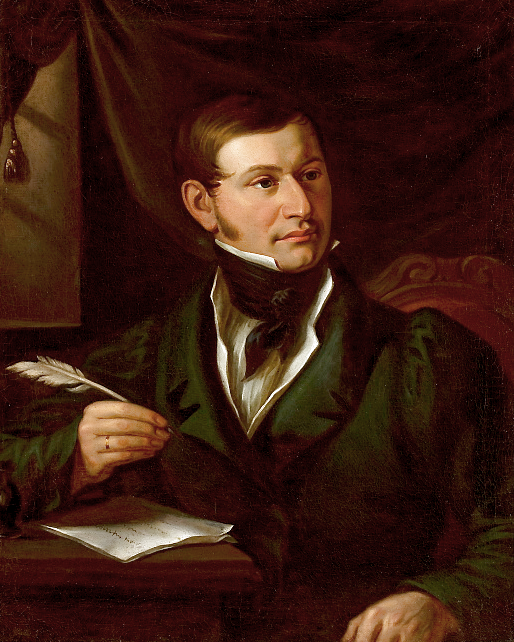
- Andrzej Towiański's depicted by is recorded as Portrait of Andrzej Towiański (1799–1878)[24].
- Andrzej Towiański's described by source is recorded as Nordisk familjebok[25].
- Andrzej Towiański's described by source is recorded as Brockhaus and Efron Encyclopedic Dictionary[26].
- Andrzej Towiański's described by source is recorded as Small Brockhaus and Efron Encyclopedic Dictionary[27].
Body
Origins and Family
Andrzej Towiański was born in Antašventė[2]. He was born on January 1, 1799[3].
Education
Andrzej Towiański was educated at Imperial University of Vilna[14].
Career and Affiliations
Recorded occupations include philosopher[6], cult leader[7], and religious leader[8]. Fields of work include philosophy[11], an academic discipline[28]; religious philosophy[12], a type of world view[29]; and messianism[13].
Works and Contributions
A notable work attributed to Andrzej Towiański is Circle of God's Cause[15].
Death and Burial
Andrzej Towiański died on May 13, 1878[5]. He passed away in Zurich[4].
Why It Matters
Andrzej Towiański ranks in the top 0.73% of human entities by monthly Wikipedia readership (58 views/month, #7,289 of 1,000,298).[9] He has Wikipedia articles in 8 language editions, a strong signal of global cultural recognition.[30] He is known by 13 alternative names across languages and contexts.[31]
He has been cited as an influence by Juliusz Słowacki[32], a poet[33], 1809–1849[34], of Russia[35], specialised in fiction[36]; Ludwik Nabielak[37], a historian[38], 1804–1883[39], of Poland[40], specialised in history[41]; Adolf Januszkiewicz[42], a translator[43], 1803–1857[44], of Russian Empire[45]; Seweryn Goszczyński[46], a poet[47], 1801–1876[48], of Russian Empire[49]; Adam Mickiewicz[50], a professor[51], 1798–1855[52], of Russian Empire[53], specialised in fiction[54]; and Celina Szymanowska[55], a composer[56], 1812–1855[57], of Russian Empire[58].
FAQs
Where was Andrzej Towiański born?
Andrzej Towiański's place of birth was Antašventė[2].
Where did Andrzej Towiański die?
Andrzej Towiański passed away in Zurich[4].
What did Andrzej Towiański do for work?
Andrzej Towiański worked as philosopher[6], cult leader[7], and religious leader[8].
Where did Andrzej Towiański go to school?
Andrzej Towiański was educated at Imperial University of Vilna[14].
Who did Andrzej Towiański influence?
Andrzej Towiański has been cited as an influence by Juliusz Słowacki[32], Ludwik Nabielak[37], Adolf Januszkiewicz[42], and Seweryn Goszczyński[46].