
Aksel Sandemose
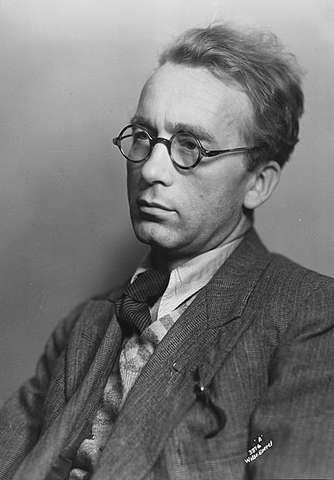
0 sources
Summary
Aksel Sandemose was born on March 19, 1899[1], in Nykøbing Mors[2]. He died on August 6, 1965[3], in Copenhagen[4]. He worked as a writer[5], journalist[6], novelist[7], and satirical novelist[8]. He ranks in the top 0.73% of human entities by monthly Wikipedia readership (933 views/month, #7,256 of 1,000,298).[9]
Key Facts
- Date of death: August 5, 1965[10]
- Place of burial: Vestre gravlund[11]
- Child: Bjarne Sandemose[12], Jørgen Sandemose[13]
- Country of citizenship: Kingdom of Denmark[14], Norway[15]
- Ethnic group: Norwegians[16]
- Notable work: A Fugitive Crosses His Tracks[17]
- Award received: Dobloug Prize[18], Emma Bærentzens Endownment[19], Gyldendal's Endowment[20]
- Sex or gender: male[21]
- Commons category: Aksel Sandemose[22]
- Residence: Risør Municipality[23]
- Family name: Nielsen[24], Sandemose[25]
- Given name: Aksel[26], Axel[27]
- Described by source: Hvem er Hvem? (1948)[28]
- Nominated for: Nobel Prize in Literature[29]
- Languages spoken, written or signed: Riksmål[30], Danish[31], Norwegian[32]
- Birth name: Axel Nielsen[33]
- Name in native language: Aksel Sandemose[34]
- Subject has role: refugee[35]
Why It Matters
Aksel Sandemose has Wikipedia articles in 19 language editions, a strong signal of global cultural recognition.[36] He is known by 17 alternative names across languages and contexts.[37]
Works attributed to him include law of Jante[38], a code of conduct[39] and A Fugitive Crosses His Tracks[40], a literary work[41].
FAQs
Where was Aksel Sandemose born?
Aksel Sandemose was born in Nykøbing Mors[2].
Where did Aksel Sandemose die?
Aksel Sandemose passed away in Copenhagen[4].
What did Aksel Sandemose do for work?
Aksel Sandemose worked as a writer[5], journalist[6], novelist[7], and satirical novelist[8].
What awards did Aksel Sandemose receive?
Honors received include Dobloug Prize[18], Emma Bærentzens Endownment[19], and Gyldendal's Endowment[20].