
10th century
century
Press Enter · cited answer in seconds
0 sources
Summary
10th century is a century[1]. It draws 2,374 Wikipedia views per month (century category, ranking #25 of 76).[2]
Key Facts
- Follows: 9th century[3]
- Followed by: 11th century[4]
- Part of: 1st millennium[5]
- Commons category: 10th century[6]
- Has part(s): 900s[7], 910s[8], 930s[9], 960s[10], 990s[11], 950s[12], 970s[13], 920s[14], 980s[15], 940s[16]
- Start time: January 6, 901[17]
- End time: January 6, 1001[18], 1000[19]
- Point in time: 1000[20]
- Topic's main category: Category:10th century[21]
- Has list: list of state leaders in the 10th century[22], list of 10th-century religious leaders[23], Chronological list of saints in the 10th century[24]
- Name: 10th-century[25]
- Permanent duplicated item: Q31798734[26]
- Category for births in this time period: Category:10th-century births[27]
- Category for deaths in this time period: Category:10th-century deaths[28]
Body
Influence
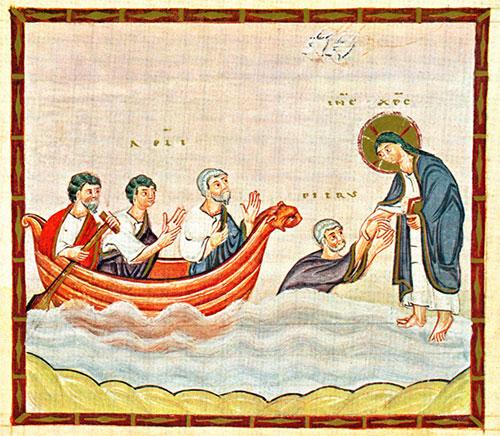
Things named for 10th century include Ottonian Renaissance[29], an art movement[30], in Holy Roman Empire[31].
Why It Matters
10th century has Wikipedia articles in 30 language editions, a strong signal of global cultural recognition.[32] It is known by 47 alternative names across languages and contexts.[33]
Entities named for it include Ottonian Renaissance[29], an art movement[30], in Holy Roman Empire[31].